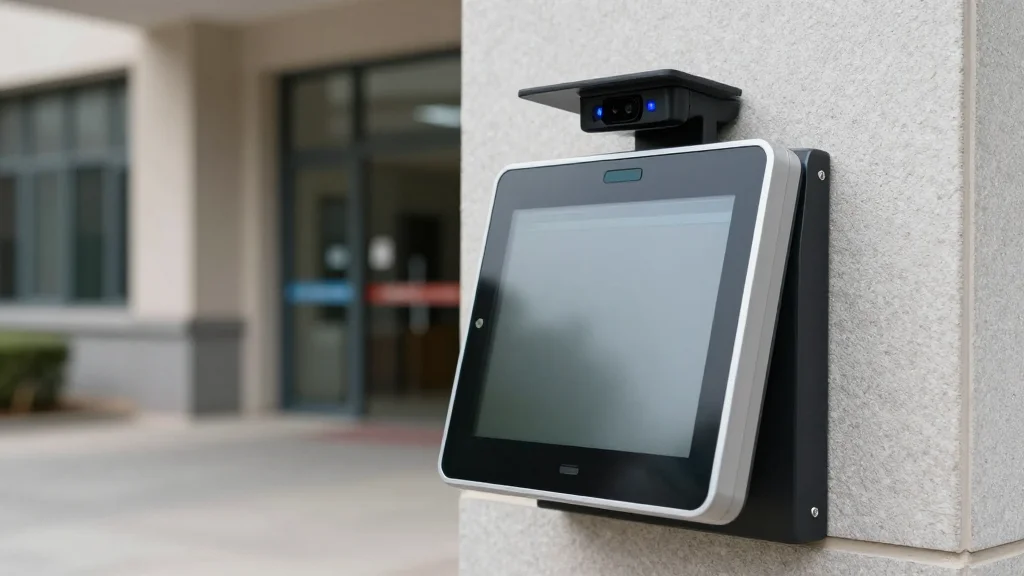
Detroit Public Schools Deploy Facial Recognition System
Why It Matters
The move highlights a clash between heightened school security measures and civil‑liberty concerns, setting a precedent for biometric surveillance in K‑12 environments.
Key Takeaways
- •Detroit schools deployed Visitor Aware facial‑recognition district‑wide
- •Visitors must present ID and facial scan to gain entry
- •Critics cite privacy risks and bias against minorities
- •ACLU warns technology may deter immigrant families
Pulse Analysis
The Detroit Public Schools Community District, serving about 49,000 students, became the latest large urban district to adopt Singlewire’s Visitor Aware facial‑recognition platform. The system cross‑references a scanned government ID with a live facial image, storing the data for future visits and flagging mismatches before anyone enters a building. Detroit joins roughly 360 districts nationwide that have embraced biometric visitor management as a response to rising concerns over school safety and unauthorized access. Proponents argue that digital check‑ins are faster, more reliable than paper logs, and can deter potential threats by creating an auditable trail of who entered school premises.
However, privacy advocates and scholars warn that the technology introduces new civil‑rights challenges. Studies show facial‑recognition algorithms often produce higher false‑positive rates for women, children, and people of color, raising the specter of discriminatory treatment. The ACLU of Michigan has highlighted the chilling effect such systems may have on immigrant families, who might avoid school visits for fear of ICE scrutiny or data misuse. Critics also question whether the modest security gains justify the collection of biometric data, especially when schools could invest in proven safety measures like increased staffing, mental‑health resources, and community‑based interventions.
The Detroit rollout underscores a broader policy debate about the role of biometric surveillance in education. As more districts evaluate similar tools, lawmakers and school boards must balance the promise of streamlined security with robust data‑privacy safeguards and transparent oversight. Future discussions are likely to focus on consent mechanisms, data retention limits, and independent audits to ensure that the technology does not erode trust between families and schools. Ultimately, the effectiveness of facial‑recognition will be measured not just by match percentages, but by its impact on student outcomes, community confidence, and the equitable treatment of all visitors.
Detroit Public Schools Deploy Facial Recognition System
Comments
Want to join the conversation?
Loading comments...