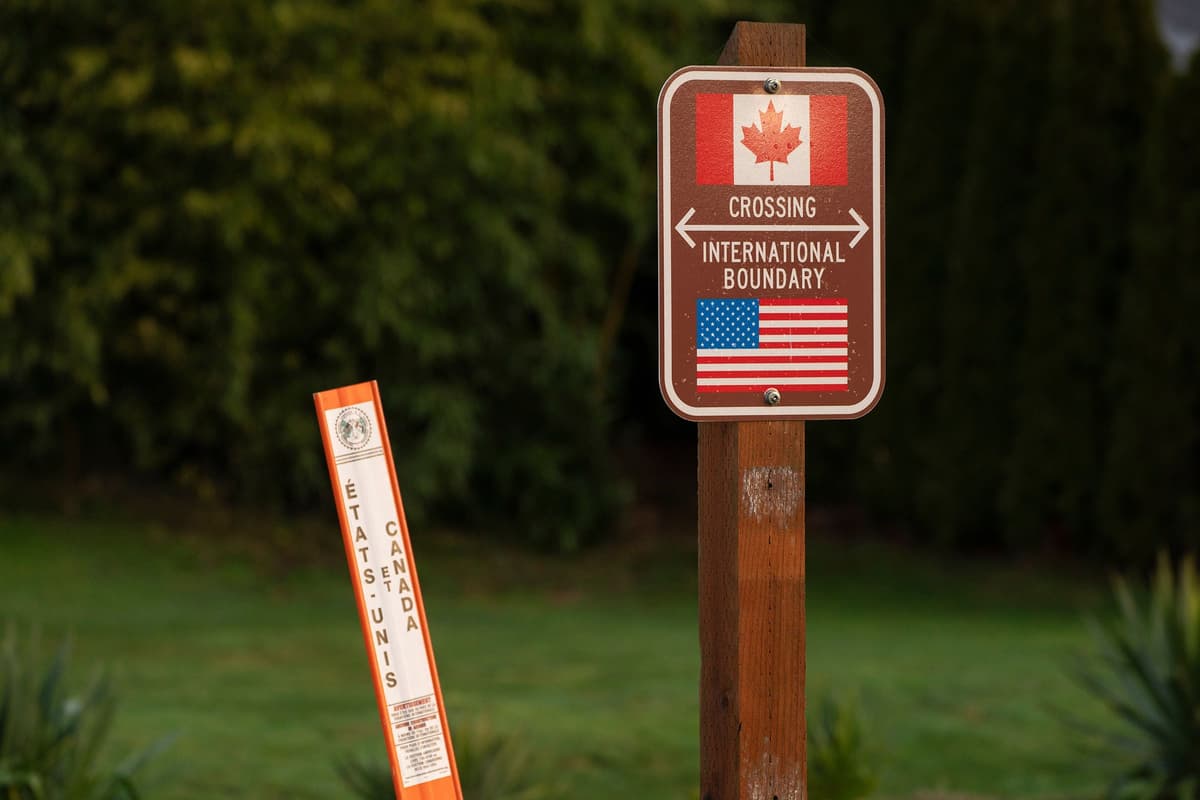
DHS Plans Experiment Running ‘Reconnaissance’ Drones Along the US-Canada Border
Companies Mentioned
Why It Matters
Successful demonstration could accelerate deployment of 5G‑enabled autonomous surveillance across North America, reshaping border‑security operations and creating a multi‑billion‑dollar market for U.S. drone makers. It also signals deeper integration of military‑grade C2ISR tech into civilian emergency response, raising policy and privacy questions.
Key Takeaways
- •DHS and Canada will test autonomous drones on border in November
- •Experiment focuses on resilient 5G communications, not vehicle autonomy
- •$1.1 billion Anduril contract highlights private sector role in border security
- •FCC rule blocks foreign drones on US networks, favoring domestic makers
- •Trump‑linked firms Powerus, Anduril, Xtend positioned to compete for contracts
Pulse Analysis
The ACE‑CASPER trial reflects a strategic shift in North American border management, moving from traditional radio‑based coordination to high‑bandwidth, low‑latency 5G links. By leveraging commercial cellular infrastructure, DHS aims to prove that autonomous platforms can maintain continuous situational awareness even in remote, rugged terrain. This experiment revives the spirit of the early‑2010s CAUSE drills, but with a modern focus on data resilience and real‑time analytics, positioning the border as a testbed for next‑generation emergency‑response technology.
For the U.S. drone industry, the timing is unprecedented. A recent FCC ruling prohibits foreign‑manufactured drones from accessing U.S. wireless networks, effectively reserving a fast‑growing segment of the market for domestic firms. Companies with political connections—Powerus, Anduril, and Xtend—stand to benefit, especially as Anduril already commands a $1.1 billion contract for AI‑driven surveillance towers on the southern border. The procurement emphasis on American‑made hardware not only expands revenue opportunities but also accelerates innovation cycles as manufacturers race to meet stringent 5G performance standards.
Beyond commercial gains, the integration of C2ISR‑style capabilities into civilian agencies raises broader policy debates. While the technology promises faster disaster response and improved search‑and‑rescue coordination, its “battlefield intelligence” framing blurs the line between public safety and military surveillance. Stakeholders will need to address data‑privacy safeguards, cross‑border data‑sharing protocols, and the potential for mission creep as autonomous systems become entrenched in everyday border operations. The outcome of ACE‑CASPER could set precedents that shape both regulatory frameworks and the geopolitical balance of surveillance technology in the region.
DHS Plans Experiment Running ‘Reconnaissance’ Drones Along the US-Canada Border
Comments
Want to join the conversation?
Loading comments...