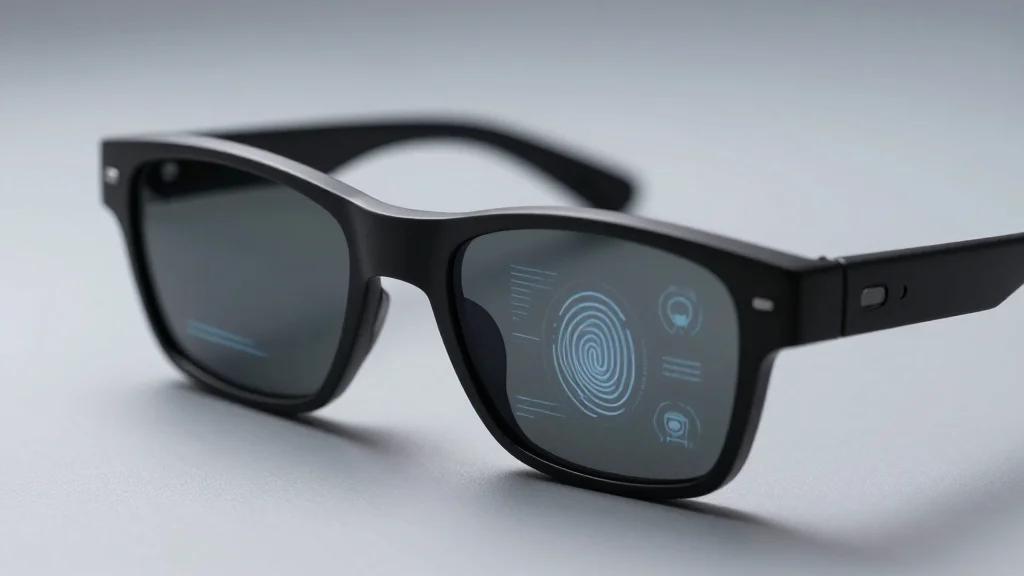
DHS Plans XR Smart‑Glasses Pilot for ICE Agents, Sparking Privacy Outcry

Companies Mentioned

Why It Matters
Deploying XR smart glasses in ICE operations could redefine how immigration enforcement interacts with the public, shifting from manual checks to instantaneous biometric verification. This transformation raises fundamental questions about the balance between security objectives and constitutional protections, especially regarding the Fourth Amendment’s guard against unreasonable searches. If the technology scales, it may set a precedent for other federal and local agencies to adopt similar surveillance hardware, accelerating a broader trend toward pervasive, AI‑driven monitoring. The outcome will influence legislative debates on biometric data governance, oversight frameworks, and the acceptable scope of law‑enforcement technology.
Key Takeaways
- •DHS plans to pilot custom XR smart glasses for ICE agents by September 2027
- •Glasses will record video, run real‑time facial and gait biometric matches, and display alerts
- •System is being built in‑house, not sourced from existing Big‑Tech products
- •Civil‑rights groups warn of mass surveillance, false arrests, and abuse of power
- •Potential expansion to local police could broaden biometric surveillance nationwide
Pulse Analysis
The ICE smart‑glasses pilot reflects a broader federal appetite for embedding AI‑enabled sensors directly into frontline operations. Historically, law‑enforcement agencies have adopted body‑worn cameras to increase accountability, yet the shift to augmented reality adds a proactive identification layer that flips the script: instead of recording after the fact, the device seeks to pre‑emptively label individuals. This raises a new privacy calculus, where the mere presence of a camera becomes a data‑collection trigger, blurring the line between observation and interrogation.
From a market perspective, DHS’s decision to develop a bespoke solution could spur a niche ecosystem of government‑focused XR hardware vendors, differentiating them from consumer‑oriented players like Meta or Apple. Companies that can certify secure, tamper‑proof pipelines for biometric data may capture lucrative contracts, while also navigating stringent export controls and procurement rules. However, the political risk is non‑trivial; any high‑profile misidentification could trigger congressional hearings, legal injunctions, and public backlash that dampen demand.
Looking ahead, the pilot’s trajectory will likely be shaped by three forces: technical performance (accuracy and latency of biometric matching), legal scrutiny (privacy impact assessments and potential court rulings), and political will (budget allocations and oversight hearings). If DHS can demonstrate a low false‑positive rate and robust safeguards, the program could become a template for other agencies. Conversely, a single scandal could catalyze stricter regulations on biometric surveillance, curbing the momentum of XR deployments across the public‑safety sector.
DHS Plans XR Smart‑Glasses Pilot for ICE Agents, Sparking Privacy Outcry
Comments
Want to join the conversation?
Loading comments...