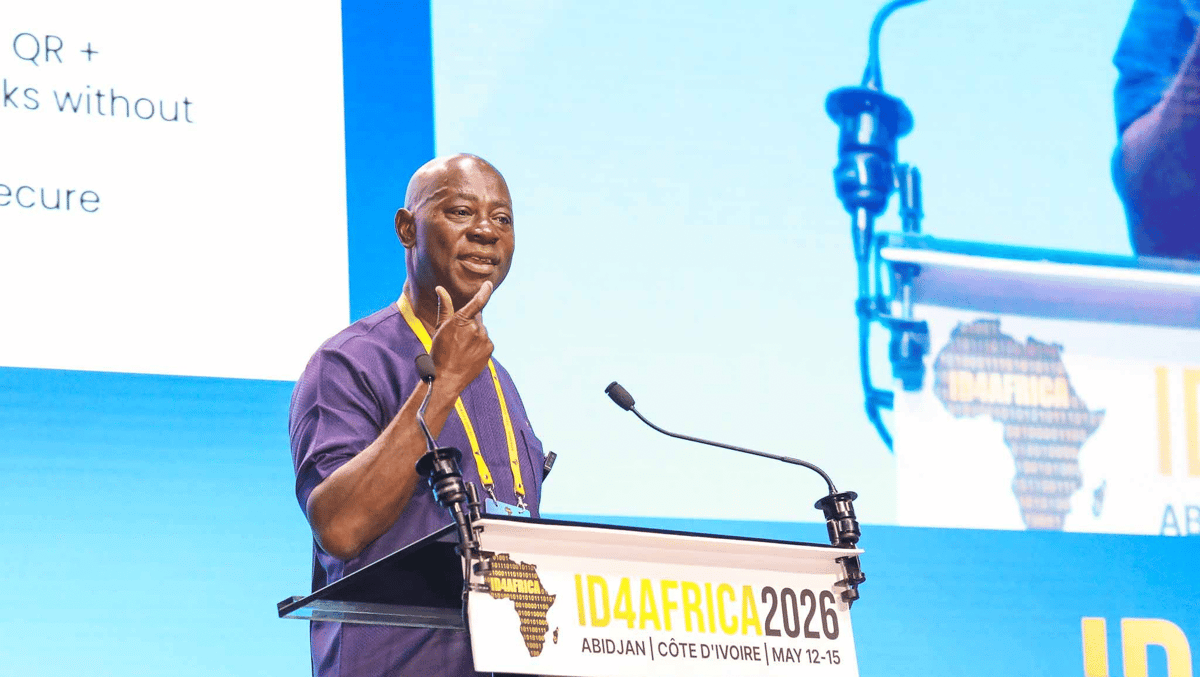
Digital Identity Must Be Built for Interoperability From Day One, Says Margins CEO
Why It Matters
Interoperable digital IDs unlock faster, cheaper access to financial and government services, accelerating economic inclusion across Africa’s emerging markets.
Key Takeaways
- •Margins ID CEO stresses interoperability as core design principle
- •Ghana Card enrolls over 19.4 million citizens
- •Single credential reduces data collection costs
- •Gambia selects Margins subsidiary for ID infrastructure upgrade
- •Legal frameworks must precede technology in digital ID projects
Pulse Analysis
African nations are racing to replace legacy national ID programs with digital public‑infrastructure platforms that combine identity, payments and data exchange. The prevailing obstacle has been fragmented databases that force citizens to navigate multiple, often incompatible, verification points, inflating transaction costs and breeding corruption. By designing interoperability into the architecture from the outset, governments can transform a static ID ledger into a dynamic service gateway, fostering digital trade, e‑government efficiency, and broader financial inclusion.
The Ghana Card illustrates how a single, trusted credential can power a continent‑wide ecosystem. With more than 19.4 million citizens enrolled, the system consolidates all essential identity fields in a central database while offering three physical profiles and fourteen application slots for public and private use. This design eliminates duplicate records, cuts data‑gathering expenses, and paves the way for future features such as a digital wallet for payments. The ongoing enrollment drive for children aged six to fourteen further expands coverage, ensuring the credential remains a lifelong gateway to services.
Policy makers now recognize that technology alone cannot deliver seamless identity solutions; a robust legal and governance framework is equally critical. Defining citizenship, data standards and cross‑agency data‑sharing rules at the constitutional level prevents retro‑fitting costly interoperability patches later. The Gambia’s recent selection of a Margins ID subsidiary to modernize its ID infrastructure signals a growing appetite for such end‑to‑end approaches. As more African states adopt interoperable designs, the continent stands to accelerate its digital transformation, reduce service friction, and attract investment tied to trustworthy identity ecosystems.
Digital identity must be built for interoperability from day one, says Margins CEO
Comments
Want to join the conversation?
Loading comments...