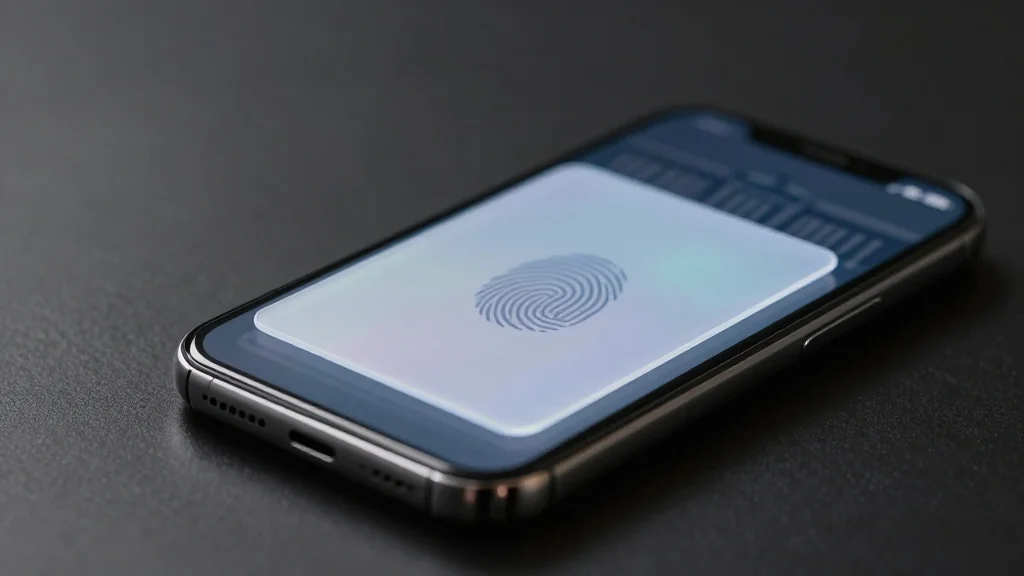
Draft Regulations Set Stage for Digital Identity in SA
Why It Matters
The initiative could transform service delivery across government and the private sector, reducing identity‑theft risk while enabling faster, digital onboarding for banks and insurers. It positions South Africa as a regional leader in secure, mobile‑first identity infrastructure.
Key Takeaways
- •Draft regulations propose optional digital IDs stored on smartphones
- •System will coexist with physical IDs, not replace them
- •Biometric verification and data safeguards align with POPIA and PAIA
- •Enables banks and insurers to verify identities digitally
Pulse Analysis
Governments worldwide are racing to embed digital identity into everyday services, and South Africa is now positioning itself at the forefront of that trend. By issuing draft amendments to the Identification Act of 1997, the Department of Home Affairs seeks to create a legally recognised, mobile‑first identity layer that works alongside existing smart ID cards. The proposal reflects a broader shift toward electronic public‑service delivery, where citizens can prove who they are using a smartphone rather than a physical document, accelerating the nation’s digital transformation agenda.
The draft regulations outline how the digital credential will be issued, stored and verified. Citizens will be able to download electronic copies of IDs, birth and marriage certificates, and authenticate themselves through biometric scans such as fingerprint or facial recognition. Crucially, the framework ties the system to the national population register, ensuring a single source of truth, while embedding safeguards from the Protection of Personal Information Act and the Promotion of Access to Information Act. These technical and governance standards aim to prevent identity theft, streamline service delivery and uphold privacy.
Private‑sector participants stand to benefit from instant, reliable identity verification. Banks, insurers and fintech firms could integrate the digital ID API to onboard customers faster, reduce Know‑Your‑Customer costs and curb fraud. The draft also invites public comment until 6 June, signalling the department’s intent to shape the system with input from civil society and industry. If adopted, South Africa’s digital identity could become a model for other emerging economies seeking to balance innovation with robust data protection, while unlocking new financial‑inclusion opportunities.
Draft regulations set stage for digital identity in SA
Comments
Want to join the conversation?
Loading comments...