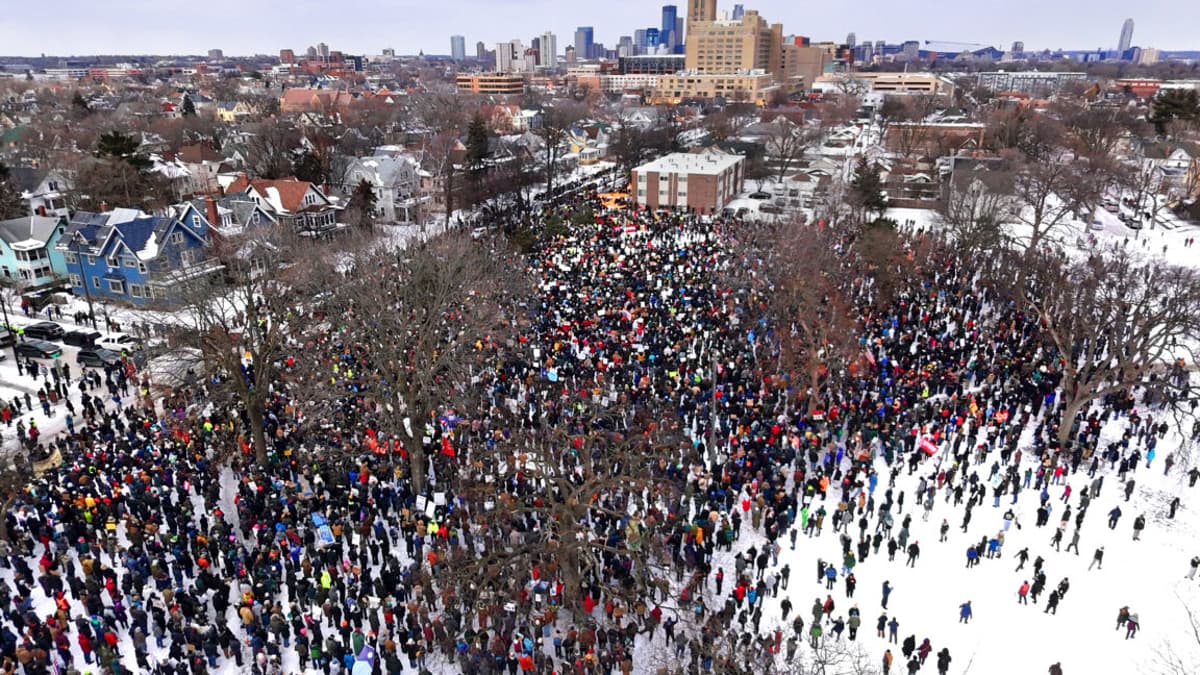
Drone Pilot Makes US Rescind No-Fly Zones Around Unmarked, Moving ICE Vehicles
Companies Mentioned
Why It Matters
The restriction threatened journalists’ ability to document law‑enforcement actions and created legal uncertainty for the growing commercial drone sector, highlighting the need for clear, constitutionally sound air‑space policies.
Key Takeaways
- •FAA's Jan 2026 NOTAM banned drones near moving DHS vehicles.
- •The restriction covered 3,000‑ft lateral, 1,000‑ft vertical zones nationwide.
- •Lawsuit Levine v. FAA forced FAA to replace ban with advisory.
- •Ambiguity still chills drone journalism and First Amendment reporting.
Pulse Analysis
The FAA’s January 16, 2026 temporary flight restriction (NOTAM FDC 6/4375) created a sweeping no‑fly zone around any Department of Homeland Security vehicle, even when unmarked and in motion. The rule imposed a 3,000‑foot lateral and 1,000‑foot vertical buffer across the United States, effectively banning commercial and hobbyist drones from most urban airspace. Photojournalist Rob Levine, who had documented protests after the killing of Renee Good, halted his flights for weeks, citing the threat of seizure, criminal penalties, and an impossible compliance burden.
Levine enlisted the Reporters Committee for Freedom of the Press, which filed Levine v. FAA (26‑1054) in the D.C. Circuit on March 16, just before a 60‑day petition deadline. After an emergency motion on April 10, the FAA withdrew the blanket prohibition and issued NOTAM FDC 6/2824, an advisory that merely cautions pilots to stay clear of “covered mobile assets.” The revision removed criminal language and the 21‑month expiration, but it left vague language that still discourages aerial coverage of law‑enforcement actions, prompting the plaintiffs to continue their challenge.
The episode highlights a tension between national‑security objectives and First‑Amendment rights in a rapidly expanding drone ecosystem. Industry groups warn that ambiguous restrictions can cripple commercial mapping, infrastructure inspection, and media work, while civil‑liberty advocates argue that any blanket ban risks unlawful seizure of property. As the FAA refines its remote‑ID and air‑space management tools, policymakers face pressure to craft clear, proportionate rules that protect both public safety and constitutional freedoms. The outcome of Levine v. FAA could set a precedent for how future drone‑related security measures are vetted.
Drone pilot makes US rescind no-fly zones around unmarked, moving ICE vehicles
Comments
Want to join the conversation?
Loading comments...