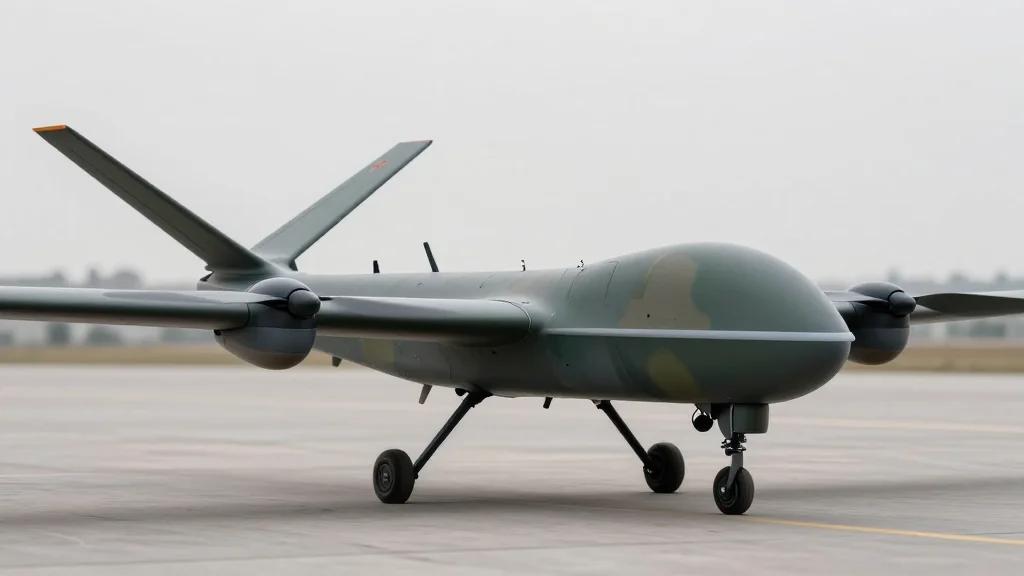
Eleven U.S. Allies Deploy Russian‑Refined Iranian Drones, Skipping Washington Oversight

Why It Matters
The deployment of Russian‑enhanced Iranian drones by U.S. allies illustrates a broader erosion of American control over allied defense procurement, a core pillar of U.S. strategic influence. If left unchecked, the trend could enable adversaries to exploit supply‑chain vulnerabilities, accelerate technology transfer, and undermine existing export‑control regimes. Moreover, the shift forces Washington to reconsider its role in a multipolar security environment where partners are increasingly capable of sourcing critical capabilities outside traditional U.S. channels. For the GovTech sector, the episode highlights the need for robust, interoperable procurement platforms that can accommodate rapid, cross‑border technology integration while preserving oversight. It also signals a market opportunity for firms that can provide secure, auditable supply‑chain solutions and real‑time compliance monitoring for defense‑related technologies.
Key Takeaways
- •Eleven U.S. partner nations are fielding Russian‑refined Iranian Shahed drones.
- •Ukrainian President Volodymyr Zelenskyy confirmed successful destruction of the drones in multiple countries.
- •The trend reflects a shift away from the U.S. as the central hub for partner defense procurement.
- •Washington’s lack of oversight raises export‑control and security concerns.
- •Policy options include re‑asserting control or adopting a co‑participatory framework.
Pulse Analysis
The rapid adoption of Russian‑enhanced Iranian drones by U.S. allies signals a tectonic shift in how defense technology is sourced and shared. Historically, Washington’s hub‑and‑spoke model ensured that allies depended on American platforms, creating leverage that extended beyond pure military capability to diplomatic and economic realms. The current bypass reflects both a frustration with bureaucratic delays and a strategic calculation by partners to diversify their supply chains amid geopolitical uncertainty.
From a market perspective, the development opens a niche for GovTech firms specializing in secure procurement workflows, digital twins for weapon systems, and AI‑driven compliance monitoring. Companies that can embed real‑time visibility into the lifecycle of foreign‑origin components will become indispensable to both allies and the U.S. government seeking to retain influence without stifling partner autonomy.
Looking forward, the United States may need to pivot from a gatekeeping stance to a partnership model that offers technical standards, certification services, and joint‑development opportunities. Such a strategy could preserve strategic influence while accommodating the speed and flexibility that partners now demand. Failure to adapt could see a growing coalition of states operating outside the U.S. security architecture, potentially aligning more closely with Russian or Chinese supply chains, thereby reshaping the global defense technology landscape.
Eleven U.S. Allies Deploy Russian‑Refined Iranian Drones, Skipping Washington Oversight
Comments
Want to join the conversation?
Loading comments...