Why It Matters
Enhanced visual and sensor data reduces uncertainty for pilots operating in Alaska’s harsh environment, directly improving flight safety and operational efficiency. The upgrade also showcases a scalable model for modernizing weather reporting in other remote regions.
Key Takeaways
- •FAA plans 64 new weather-camera sites in Alaska by 2028
- •60 VWOS units will combine 360° images with sensor data
- •Cameras update every 10 minutes, offering near‑real‑time visuals
- •Program credited with saving lives in remote Alaskan operations
- •Expanded network supports pilots’ pre‑flight and in‑flight decisions
Pulse Analysis
Alaska’s aviation landscape has long been defined by extreme weather and sparse reporting infrastructure. Traditional METAR stations cover only a fraction of the state’s airports and mountain passes, leaving pilots to rely on delayed forecasts. The FAA’s weather camera program, launched over 20 years ago, filled that gap by delivering visual snapshots of conditions every ten minutes. This real‑time imagery has become a critical supplement to standard reports, especially for general aviation and regional carriers that operate on thin margins and tight schedules.
The latest expansion introduces 64 additional camera sites and 60 Visual Weather Observation Systems, each pairing a 360‑degree camera with automated surface sensors. By integrating visual and numerical data at a single node, VWOS units streamline the decision‑making process for pilots, who can now assess cloud cover, precipitation, and runway conditions without cross‑referencing multiple sources. The near‑instantaneous updates also aid air traffic controllers and dispatchers, enabling more accurate routing and reducing the likelihood of weather‑related diversions or delays. Early feedback from Alaska’s aviation community suggests a measurable decline in weather‑induced incidents since the program’s inception.
Beyond Alaska, the FAA’s initiative signals a broader shift toward data‑rich, low‑latency weather services for remote airspaces worldwide. As climate variability intensifies, the demand for precise, location‑specific weather intelligence will grow across commercial, cargo, and unmanned aerial systems. The expanded camera network not only bolsters safety but also creates a template for other regions—such as Canada’s northern territories or mountainous zones in the western United States—to adopt similar hybrid visual‑sensor solutions. By modernizing its weather infrastructure, the FAA positions itself at the forefront of aviation safety innovation.
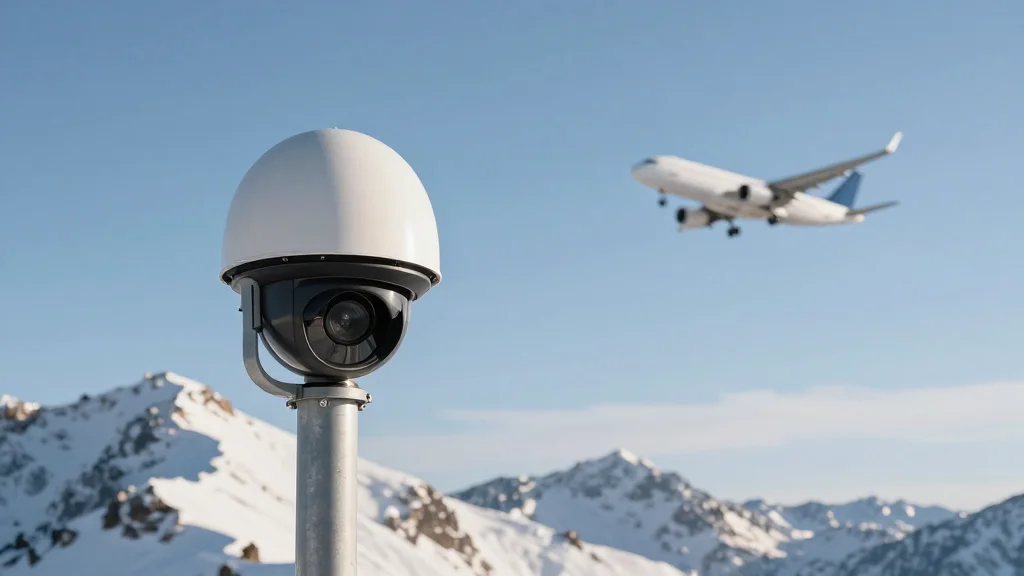
FAA Expanding Weather Camera Network
Comments
Want to join the conversation?
Loading comments...