Companies Mentioned
Why It Matters
Early detection and robotic removal can slash public‑works costs, reduce environmental contamination, and protect workers from hazardous sewer conditions. As cities face rising fatberg incidents, these innovations become essential for resilient infrastructure.
Key Takeaways
- •Southern Water installed 34,000 sewer sensors to detect fatbergs early
- •AI analysis cut sewage spills by 47% year‑over‑year in 2025
- •NYC spends $18.8 million annually on grease removal and blockages
- •EU‑funded €8 million robot project aims for autonomous sewer cleaning
- •Fatbergs can reach 300 tonnes, blocking kilometers of sewer pipe
Pulse Analysis
Fatbergs form when households and businesses flush fats, oils, wet wipes and other non‑degradable items down drains. Over time, the mixture solidifies into concrete‑like masses that can weigh hundreds of tonnes and stretch for kilometers, as seen in London’s 130‑tonne Whitechapel monster and a 300‑tonne block in Birmingham. The resulting blockages trigger sewer overflows, flood streets, pollute rivers and expose workers to toxic gases such as hydrogen sulfide, methane and carbon dioxide, creating costly public‑health and environmental challenges.
To combat the problem, utilities are embracing data‑driven monitoring. Southern Water’s network of 34,000 manhole‑mounted radar sensors feeds water‑level readings into a machine‑learning model that also considers rainfall and temperature. The system flags anomalies that often indicate a growing fatberg, allowing crews to intervene before a blockage becomes a disaster. This AI‑enabled approach helped the company reduce sewage spills by 47% in 2025 compared with the previous year, while New York City spends roughly $18.8 million each year on grease removal—a figure that underscores the economic pressure on municipalities.
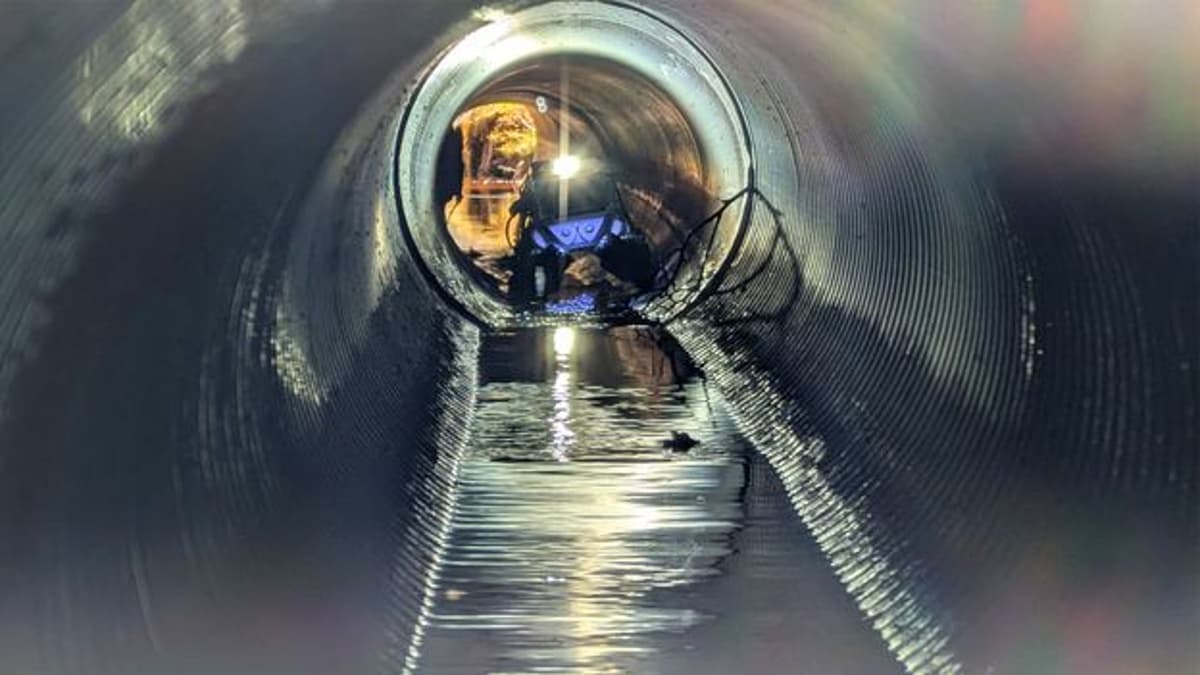
Robotics and autonomous inspection are the next frontier. An €8 million (about $9 million) EU‑funded consortium is prototyping a “tardigrade” robot equipped with cameras, LiDAR, acoustic sensors and a manipulator arm capable of locating and extracting blockages. Parallel efforts by US firm SewerAI automate video analysis, turning raw footage into actionable insights much like radiology does for medical imaging. Overcoming challenges such as waterproofing, pressure resistance and underground communications will unlock significant cost savings and, crucially, keep workers out of the foul, hazardous environment of the sewers. As these technologies mature, cities can expect more resilient wastewater networks and fewer costly flood events.
'Fatbergs' are a modern menace. Can we stop them?
Comments
Want to join the conversation?
Loading comments...