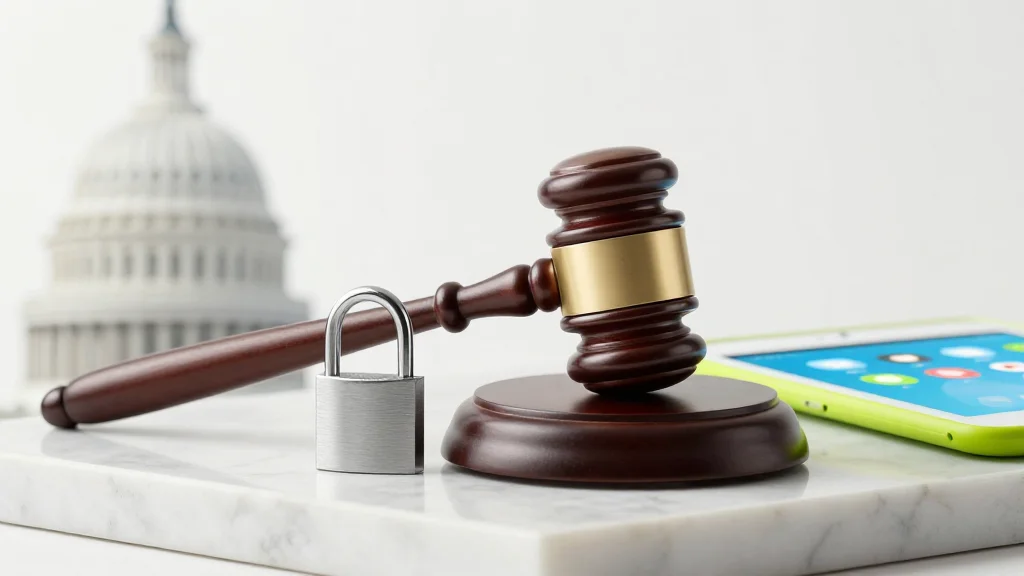
Federal Privacy Bills Have Major Implications for K-12
Why It Matters
If enacted, the bills will reshape how digital platforms handle minors’ data, creating new compliance costs for ed‑tech providers and raising privacy‑surveillance trade‑offs for students and schools.
Key Takeaways
- •KOSA passed Senate, stalls in House revisions
- •COPPA 2.0 expands privacy to teens up to age 16‑17
- •Age verification may require driver’s licenses or biometric scans
- •Small ed‑tech vendors face costly compliance and data‑security upgrades
- •Broad surveillance could chill student speech and limit health information access
Pulse Analysis
The current wave of federal privacy legislation reflects a rare bipartisan consensus that the internet’s influence on children must be curbed. Central to the effort are two anchor bills: the Kids Online Safety Act, which imposes a duty of care on platforms to mitigate addictive design and harmful content, and the Children and Teens’ Online Privacy Protection Act, a COPPA 2.0 expansion that extends data‑privacy safeguards to users as old as 16 or 17. Both have cleared one chamber of Congress but face procedural hurdles, while a host of companion measures—Sammy’s Law, the Safe Messaging for Kids Act, and the App Store Accountability Act—target specific harms such as unfiltered messaging and app‑store access.
Critics argue that the collective impact of these proposals may paradoxically erode the very privacy they aim to protect. Age‑verification mechanisms could compel platforms to collect sensitive identifiers, from driver’s licenses to facial‑recognition scans, creating a richer data trove vulnerable to breaches. Moreover, mandated monitoring through third‑party safety software raises the specter of pervasive surveillance, potentially chilling free expression and limiting access to health‑related information for LGBTQ youth and other marginalized groups. The Center for Democracy and Technology warns that without empirical testing, well‑intentioned rules risk backfiring, amplifying the risk of data misuse.
For school districts and ed‑tech firms, the stakes are operational as well as legal. While the bills do not directly impose obligations on districts, they will filter through vendor contracts, forcing small and midsized providers to invest heavily in verification infrastructure, secure data pipelines, and ongoing compliance audits. This could drive up costs for already budget‑constrained schools and push some vendors out of the market. Policymakers therefore face a delicate balancing act: safeguarding children from digital harms while avoiding a surveillance regime that reshapes privacy norms for all internet users. The fragmented legislative path suggests that a comprehensive, technology‑neutral framework may still be years away.
Federal Privacy Bills Have Major Implications for K-12
Comments
Want to join the conversation?
Loading comments...