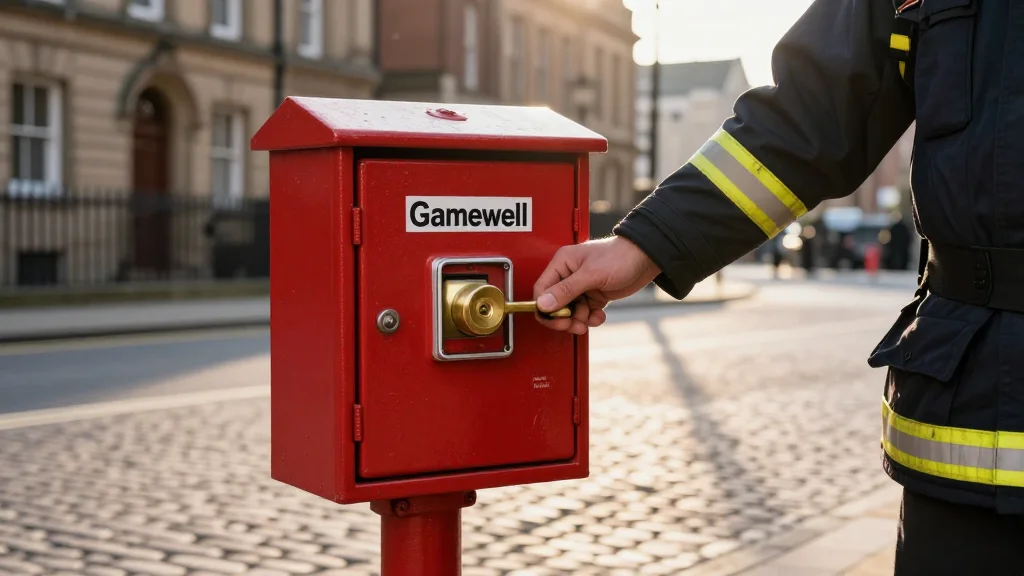
'Fire Box 4647, Final Rounds': N.H. FD Retires 154-Year-Old Fire Alarm Box System After Final Call
Why It Matters
The switch underscores a nationwide move away from fragile wired alarm infrastructure toward resilient, wireless emergency‑communication technology, reducing maintenance costs and improving response reliability for municipalities.
Key Takeaways
- •Manchester decommissioned 154‑year‑old Gamewell fire alarm network
- •Final master box (4647) transmitted its last signal May 1, 2026
- •Radio‑based system replaces vulnerable copper‑wire telegraph technology
- •Removal began 2004; only a dozen boxes left by 2025
- •Equipment slated for donation to Nashua, which retains its system
Pulse Analysis
The Gamewell telegraph fire alarm system, introduced to Manchester in 1872, was a marvel of its era. Mechanical boxes with interlocking gears transmitted numeric codes over copper lines, allowing fire stations to log alerts on punched tape. For more than a century the network guarded mills, schools, and neighborhoods, becoming a cultural landmark as well as a critical safety tool. Its longevity reflects both the durability of early engineering and the inertia of public‑safety budgets that kept legacy systems operational long after newer technologies emerged.
By the early 2000s, the limitations of the wired system became stark. A single line break could silence dozens of boxes, and maintaining aging copper infrastructure grew prohibitively expensive. The last genuine street‑box alarm occurred in 2000, prompting officials to accelerate removal of the red boxes starting in 2004. Over six years the city whittled the network down from dozens of stations to a final dozen, culminating in the ceremonial pull of box 4647 in May 2026. The new radio‑based platform offers independent signaling, battery backup, and eliminates the cascade failures inherent in point‑to‑point wiring.
Manchester’s transition mirrors a broader trend among U.S. municipalities seeking resilient, cost‑effective emergency communications. While some cities, like Nashua, retain their Gamewell assets for heritage or redundancy, most are adopting digital, wireless solutions that integrate with modern dispatch centers and mobile responders. The donation of surplus equipment to Nashua illustrates collaborative asset management, ensuring that historic technology can still serve a purpose. As cities modernize, the focus shifts to interoperable networks that can adapt to evolving threats, from natural disasters to cyber‑infrastructure attacks, reinforcing public safety in an increasingly connected world.
'Fire box 4647, final rounds': N.H. FD retires 154-year-old fire alarm box system after final call
Comments
Want to join the conversation?
Loading comments...