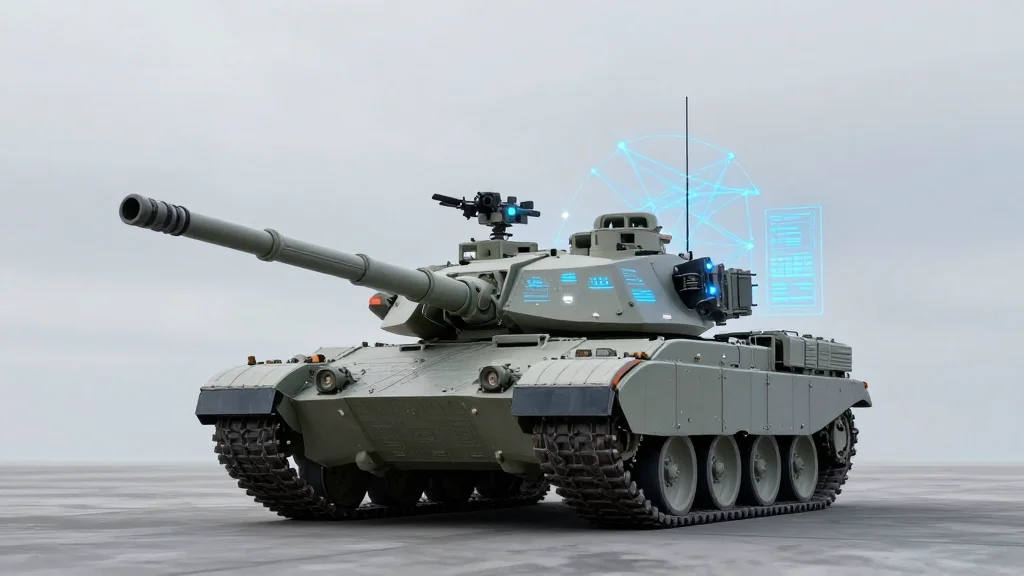
France Announces AI‑Powered Sovereign Combat Data‑Management System for Armed Forces

Why It Matters
The French AI combat data‑management system underscores the growing importance of data sovereignty in national security. By keeping battlefield data within a domestically controlled AI framework, France aims to reduce dependence on foreign cloud services and mitigate espionage risks. The project also illustrates how GovTech is expanding beyond civilian services into high‑stakes defense applications, potentially reshaping procurement patterns and creating new markets for AI vendors. If successful, the platform could become a reference model for other nations wrestling with similar challenges, accelerating the adoption of AI‑driven decision‑making tools while reinforcing the principle that critical data must remain under national jurisdiction.
Key Takeaways
- •France's defense ministry announced an AI‑powered sovereign combat data‑management system on March 17, 2026.
- •The platform will centralize sensor, intelligence, and command data while ensuring French data sovereignty.
- •Operational rollout is planned for 2029, with initial phases beginning in 2027.
- •Funding details were not disclosed, but the project will be financed through a dedicated defense budget line.
- •The initiative may set a benchmark for other European nations seeking secure AI solutions in defense.
Pulse Analysis
France's decision to build a sovereign AI data hub reflects a strategic pivot away from reliance on multinational cloud providers, a trend accelerated by recent geopolitical tensions. Historically, European defense procurement has favored domestic champions to preserve industrial base capabilities; this project extends that philosophy into the software realm. By embedding AI at the core of data management, France hopes to shorten the OODA (Observe‑Orient‑Decide‑Act) loop for commanders, a critical advantage in modern, data‑dense battlefields.
The timing is notable. While the United States and the United Kingdom have already fielded AI‑enhanced command systems, Europe has lagged due to fragmented markets and regulatory hurdles. France's top‑down approach could catalyze a more coordinated European effort, especially if interoperability standards are baked into the architecture. However, the lack of disclosed partners and budget figures introduces uncertainty. If the ministry selects a consortium of established French firms, it could reinforce existing defense champions but may limit innovation from newer AI startups.
Looking ahead, the success of this sovereign system will hinge on three factors: robust cybersecurity, seamless integration with legacy platforms, and demonstrable operational benefits. A smooth rollout could unlock a cascade of AI contracts across the continent, while any breach or performance shortfall would likely fuel calls for tighter controls and possibly a slowdown in AI adoption for defense. Stakeholders should monitor the forthcoming roadmap for clues about partner selection, data governance policies, and the metrics the ministry will use to assess effectiveness.
France Announces AI‑Powered Sovereign Combat Data‑Management System for Armed Forces
Comments
Want to join the conversation?
Loading comments...