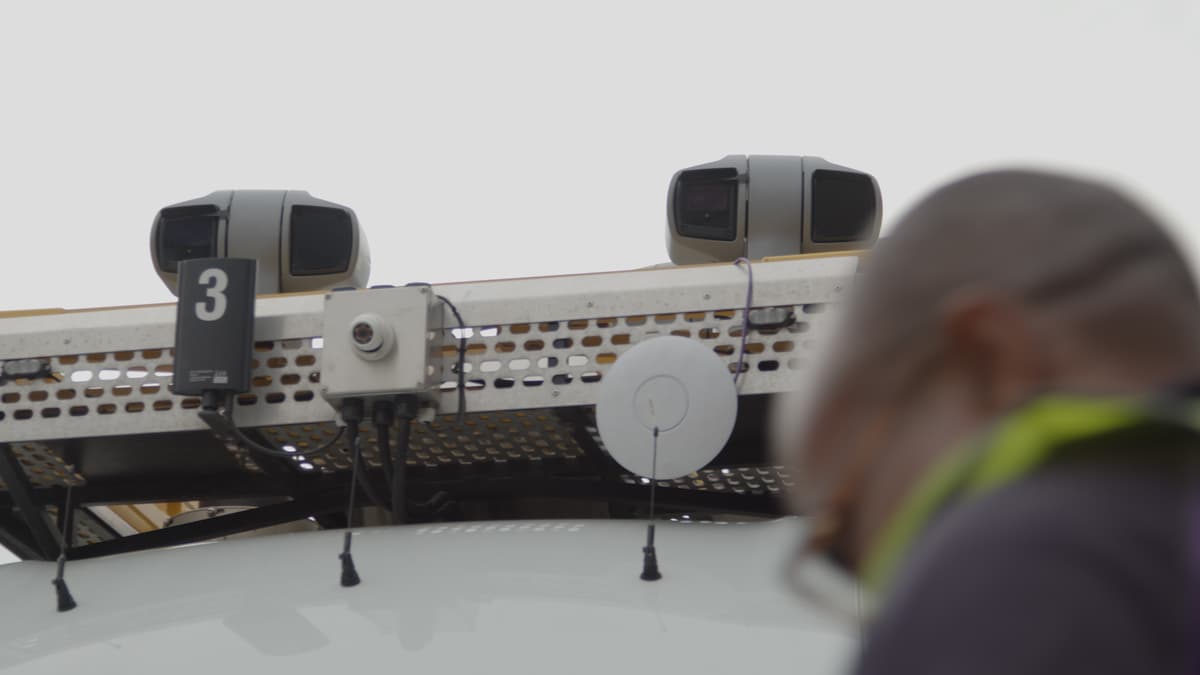
GB News – Man Hauled to Court After Facial Recognition Mistook Him for Someone Else
Key Takeaways
- •Facial‑recognition error led to 24‑hour wrongful detention.
- •Misidentified suspect linked to £300 (≈$380) IKEA theft.
- •Big Brother Watch urges moratorium and legal safeguards.
- •Police experiment with live surveillance despite public backlash.
- •Incident fuels debate on AI accountability in law enforcement.
Pulse Analysis
Facial‑recognition technology has moved from pilot projects to live deployments across major UK police forces, promising faster suspect identification. Yet accuracy rates vary widely, especially in crowded public spaces where lighting, angles, and demographic biases can produce false matches. The recent wrongful arrest of a 59‑year‑old roofer illustrates how a single misidentification can cascade into a loss of liberty, legal costs, and public distrust, highlighting the technology’s still‑nascent reliability.
Legal scholars and civil‑rights advocates argue that existing UK law lacks clear parameters for the use of real‑time facial‑recognition. Big Brother Watch’s demand for a moratorium reflects broader concerns that police are effectively creating de‑facto surveillance regimes without parliamentary scrutiny. Comparisons to the EU’s proposed AI Act and recent U.S. city bans show a growing global trend toward stricter governance, emphasizing transparency, auditability, and proportionality before such tools can be deployed at scale.
Looking ahead, policymakers face a choice: codify robust safeguards—such as mandatory impact assessments, independent oversight, and clear data‑retention limits—or risk eroding public confidence in law‑enforcement technology. Effective regulation could preserve the potential benefits of AI‑driven policing while preventing Orwellian overreach. As courts begin to hear more challenges, the outcome of this case may set a precedent that shapes the balance between security innovation and individual rights for years to come.
GB News – Man hauled to court after facial recognition mistook him for someone else
Comments
Want to join the conversation?