German Minister Wildberger Addresses Bundesrat Digital Committee

Why It Matters
The session underscores Germany's commitment to digitalising public administration at a scale that could influence EU-wide standards. By foregrounding the Deutschland‑Stack and the EUDI‑Wallet, the government is creating a market for GovTech solutions that can operate across national and European borders, potentially accelerating the adoption of interoperable digital services. For European policymakers, Germany's approach offers a test case for harmonising national digital identity systems with the EU's broader digital agenda. Successful implementation could reduce administrative friction for citizens and businesses, while also setting a precedent for data‑sharing protocols that respect privacy and security requirements.
Key Takeaways
- •Bundesminister Dr. Karsten Wildberger attended the Bundesrat's digital committee on April 22, 2026.
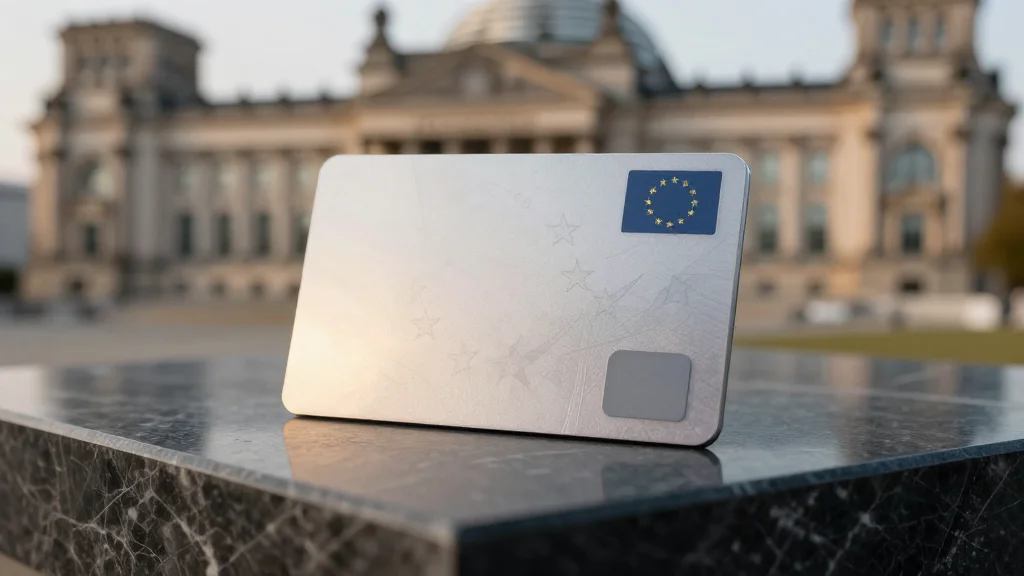
- •The session highlighted the federal modernization agenda, the Deutschland‑Stack platform, and the EU‑wide EUDI‑Wallet.
- •Committee began work in September 2025; this was Wildberger's first briefing to the body.
- •Press statements scheduled for 15:15, with follow‑up reporting expected in early 2027.
- •Germany's digital initiatives could shape EU standards for identity verification and public‑service infrastructure.
Pulse Analysis
Germany's digital agenda is moving from policy rhetoric to operational planning, a transition that often determines market dynamics for GovTech firms. The Deutschland‑Stack, envisioned as a cloud‑based backbone for public services, promises a unified API layer that could lower integration costs for vendors and enable faster rollout of citizen‑facing applications. Companies that have already built modular solutions compatible with the stack stand to gain early contracts, especially as ministries seek to meet the EU's digital identity deadlines.
The EUDI‑Wallet, meanwhile, represents a cross‑border identity solution that could unlock new revenue streams for authentication providers. If Germany can pilot a secure, mobile‑first wallet that complies with EU regulations, it may become the de‑facto model for other member states, creating a network effect that amplifies the wallet's utility. However, the initiative must navigate complex data‑privacy landscapes and ensure robust cybersecurity measures, areas where past European projects have stumbled.
From a political perspective, the joint appearance of the federal minister and Berlin's mayor signals a coordinated federal‑state approach, essential for overcoming the fragmented nature of German administration. This alignment could accelerate legislative approvals and budget allocations, reducing the typical lag between policy announcement and implementation. For investors and market watchers, the upcoming press statements will be a litmus test for the government's commitment to funding and timeline certainty, factors that directly impact the risk calculus for stakeholders in the European GovTech ecosystem.
German Minister Wildberger Addresses Bundesrat Digital Committee
Comments
Want to join the conversation?
Loading comments...