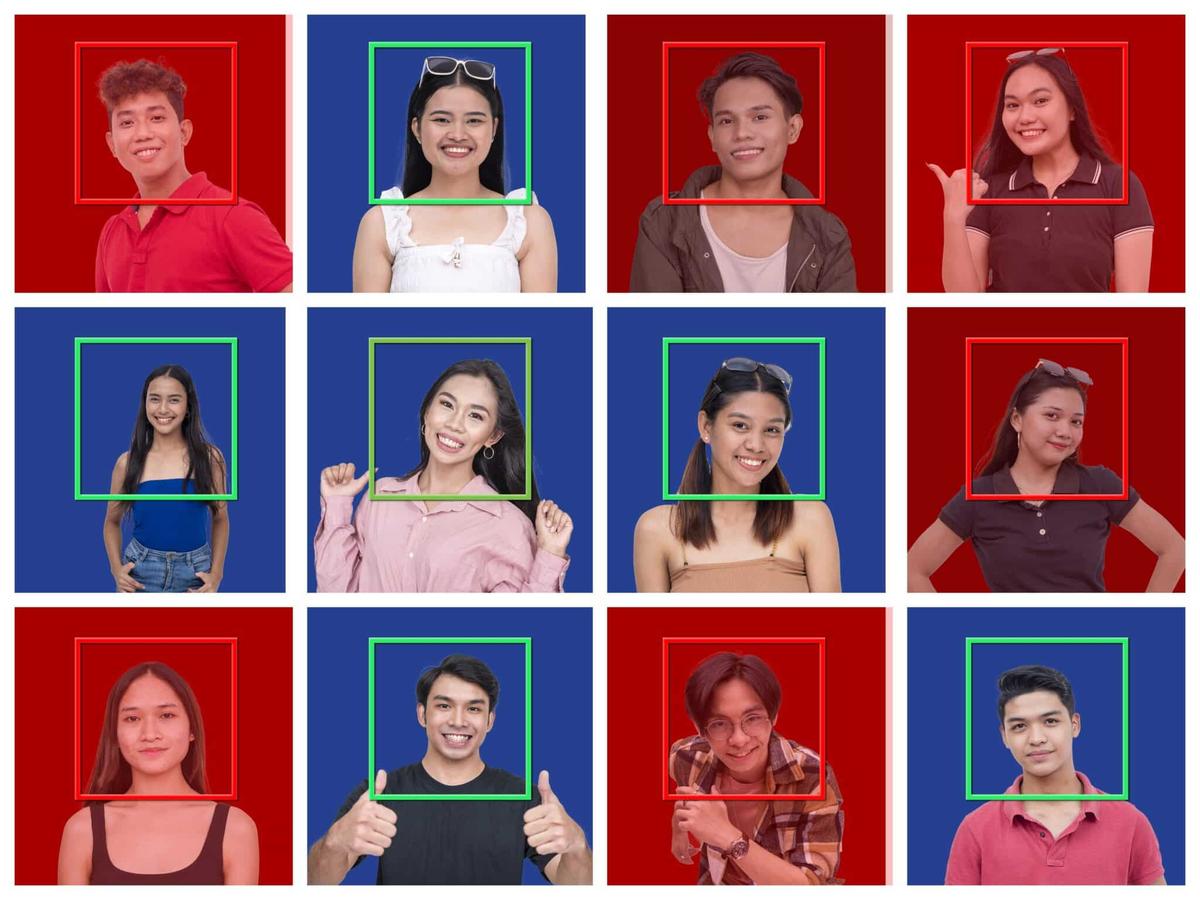
Germany Moves to Allow Police Facial Recognition Searches of Online Images
Why It Matters
The legislation could dramatically expand state surveillance capabilities, raising fundamental privacy and civil‑liberties concerns across Europe. Its outcome will shape how biometric technologies are regulated in democratic societies.
Key Takeaways
- •Germany proposes facial‑recognition searches of publicly posted images.
- •Eco and civil groups call it blueprint for digital mass surveillance.
- •Draft expands data retention, IP storage, and cross‑linking of police databases.
- •Critics warn Clearview AI, PimEyes could clash with EU AI Act.
- •Bundesrat seeks clearer rules; ambiguity may hinder automated analysis effectiveness.
Pulse Analysis
Germany’s latest push to amend its Code of Criminal Procedure reflects a broader European trend of integrating advanced biometric tools into policing. By authorising automated facial‑recognition scans of images posted on social media and other public platforms, authorities aim to accelerate suspect identification in serious crimes. The draft also extends data‑retention periods for IP addresses and enables the merging of disparate police databases, promising faster cross‑case analytics. Yet the move raises a fundamental question: does the efficiency gain outweigh the erosion of digital anonymity for ordinary citizens?
Privacy advocates and the tech industry, represented by the association eco, have labeled the proposal a "blueprint for digital mass surveillance." Their concerns center on the creation of an implicit, searchable facial‑image archive that could be exploited beyond targeted investigations. The EU’s AI Act, which bans blanket biometric surveillance in public spaces, may clash with Germany’s ambitions, especially if firms like Clearview AI or PimEyes are enlisted. Civil‑society groups such as the Chaos Computer Club warn that unchecked biometric searches could set a precedent for broader state monitoring, undermining the rule of law and fundamental rights.
If enacted, the legislation would place Germany at the forefront of biometric policing in Europe, compelling other nations to grapple with similar policy choices. Lawmakers must balance the desire for effective crime‑fighting tools with robust safeguards, transparent oversight, and clear definitions—issues highlighted by the Bundesrat’s call for clearer rules on automated data analysis. The ongoing debate underscores the tension between technological capability and democratic accountability, a dynamic that will likely shape future EU regulatory frameworks for AI and biometric data.
Germany moves to allow police facial recognition searches of online images
Comments
Want to join the conversation?
Loading comments...