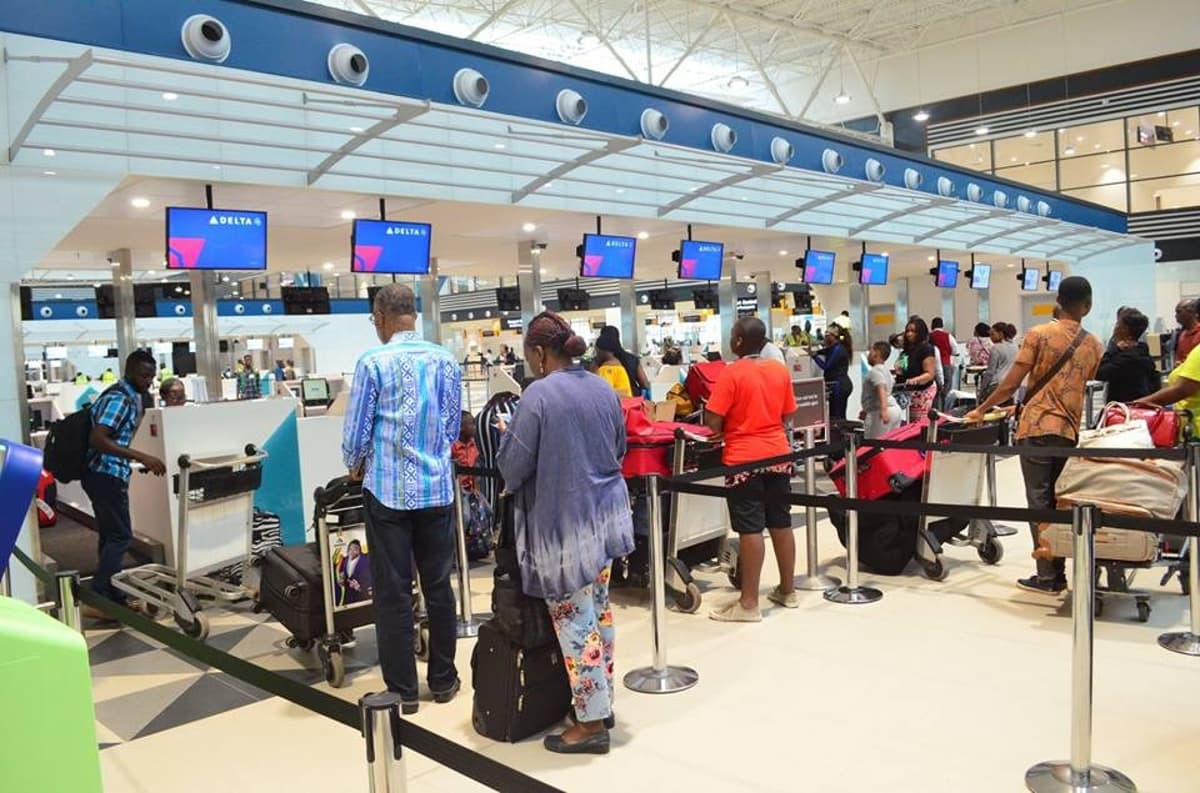
Ghana Rolls Out Biometric Digital Visas as Part of Travel Modernization Push
Why It Matters
The digital visa system modernizes Ghana’s border management, enhancing security while positioning the country as a tech‑forward hub for tourism and foreign investment in West Africa.
Key Takeaways
- •Free visas for all African passport holders.
- •Non‑African applicants pay $260 per digital visa.
- •Applications processed within 48 hours via online portal.
- •Biometric gates and chip passports complement the new system.
- •Plans to digitize work and residence permits next year.
Pulse Analysis
Ghana’s new biometric digital visa platform marks a decisive step toward a fully integrated travel ecosystem. By allowing applicants to submit documents, pay securely and receive authorizations on their phones, the government eliminates the long‑standing visa‑on‑arrival bottleneck. The 48‑hour processing promise, coupled with free visas for African nationals, aligns with the continent’s push for freer movement under the African Continental Free Trade Area, while the $260 fee for other travelers helps fund the sophisticated biometric infrastructure at Kotoka International Airport.
The initiative is expected to lift Ghana’s tourism and business appeal dramatically. Analysts project a 15‑20% rise in visitor arrivals within the first year, as streamlined entry reduces friction for tourists, conference attendees and investors. Regional competitors such as Kenya and Rwanda have already introduced e‑visa solutions, but Ghana’s combination of free African visas, chip passports and e‑gates offers a more comprehensive package. The digital rollout also strengthens security by linking travel documents to a national biometric database, reducing fraud and enhancing border surveillance.
Looking ahead, the government’s hint at e‑work and residence permits signals an ambition to create an end‑to‑end digital immigration framework. Automating permit issuance could cut processing times from weeks to days, improving Ghana’s ease‑of‑doing‑business ranking and attracting foreign direct investment. However, success will depend on robust data protection, reliable internet connectivity and effective training for immigration officers. If managed well, Ghana could set a benchmark for digital governance in the region, spurring broader adoption of identity‑based services across Africa.
Ghana rolls out biometric digital visas as part of travel modernization push
Comments
Want to join the conversation?
Loading comments...