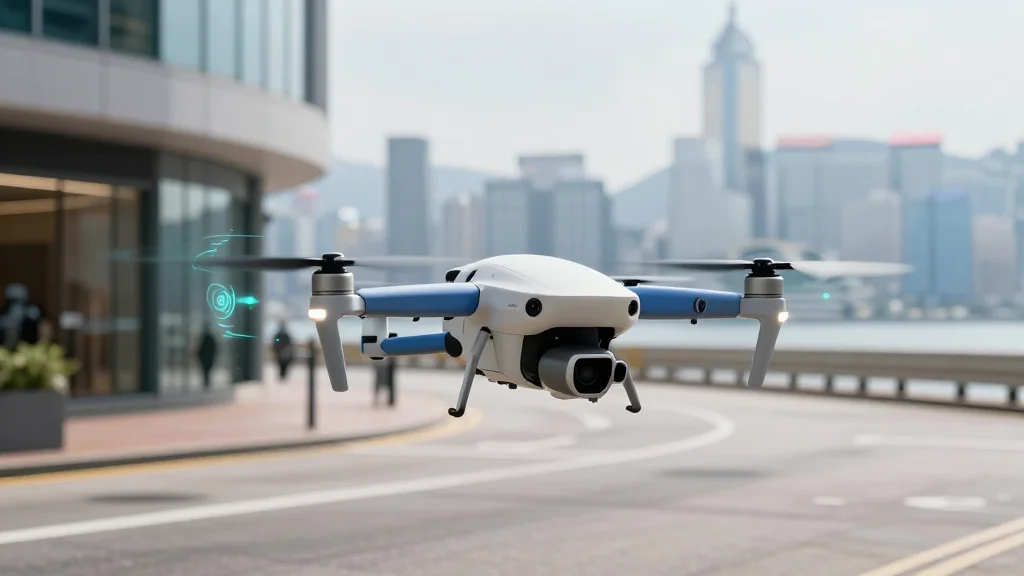
Hong Kong Uses Drones and AI to Strengthen Environmental Hygiene Enforcement
Why It Matters
The deployment of drones and AI enables Hong Kong’s hygiene regulators to monitor a dense urban environment more efficiently, cutting manpower costs and enhancing public health protection. It also signals a broader move toward low‑altitude, automated services in municipal governance worldwide.
Key Takeaways
- •Drones helped locate illegal goat slaughterhouse in 2025
- •AI analyzes drone images to spot rubbish and overflowing bins
- •Automated patrols aim to shift from visual line to beyond‑visual‑line operations
- •Drone docking stations to be installed on public toilet rooftops
- •FEHD expects faster response and reduced safety risks for officers
Pulse Analysis
Hong Kong’s Food & Environmental Hygiene Department (FEHD) is pioneering the use of unmanned aerial systems to tackle challenges that traditional foot patrols struggle with. By deploying drones over remote rural zones, investigators were able to pinpoint an illicit goat slaughterhouse in 2025, a target that had evaded ground surveillance. The aerial perspective not only revealed hidden entry points and suspicious vehicle movement but also kept officers out of potentially hazardous situations, illustrating how visual intelligence can augment law‑enforcement capabilities in dense, mixed‑use environments.
The next phase expands the technology from reactive enforcement to proactive cleanliness monitoring. In partnership with the Electrical & Mechanical Services Department, FEHD is testing AI‑driven image analysis that flags accumulated trash, overflowing bins and damaged waste infrastructure from pre‑programmed flight routes. Automated detection promises to prioritize clean‑up crews, reduce the time spent on manual inspections, and free staff for higher‑value tasks. Strategic drone docking stations slated for public‑toilet rooftops will provide on‑site charging and rapid redeployment, supporting a continuous, low‑altitude monitoring network across the city’s streets.
Beyond immediate operational gains, Hong Kong’s drone sandbox reflects a growing global appetite for integrating robotics into public‑sector services. The phased rollout—from visual‑line‑of‑sight flights to fully autonomous beyond‑visual‑line‑of‑sight missions—offers a regulatory blueprint for other municipalities seeking to modernize urban management. As cities grapple with rising waste volumes and limited inspection resources, Hong Kong’s model demonstrates how AI‑enhanced aerial surveillance can improve public health outcomes while fostering a nascent low‑altitude economy that could extend to infrastructure inspection, traffic management and disaster response.
Hong Kong Uses Drones and AI to Strengthen Environmental Hygiene Enforcement
Comments
Want to join the conversation?
Loading comments...