How HRSD Transforms Wastewater Into a Ground Water Resource
Why It Matters
Restoring the Potomac Aquifer safeguards drinking‑water supplies, mitigates land subsidence, and curbs saltwater intrusion, delivering critical climate‑adaptation benefits for the Mid‑Atlantic region.
Key Takeaways
- •Potomac aquifer water levels fell over 200 feet from withdrawals
- •HRSD's SWIFT aims to inject 100M gallons daily into aquifer
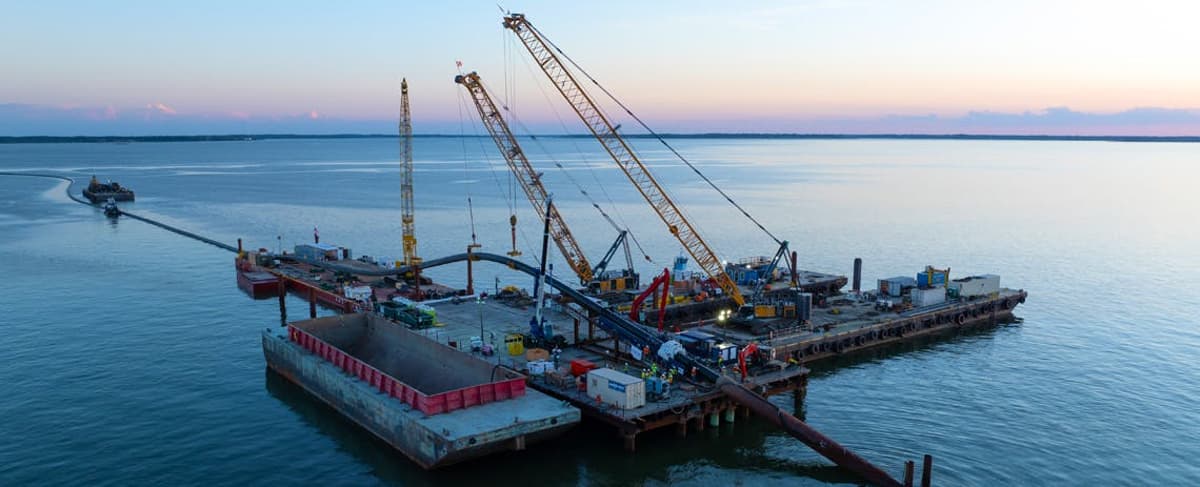
- •Garney installed record 5,700‑foot 42‑inch HDPE pipe under James River
- •Nansemond plant upgrades boost capacity to 50 MGD with advanced treatment
- •SWIFT facility uses ozone, biofiltration, GAC, UV for recharge‑quality water
Pulse Analysis
The Potomac Aquifer, a primary source of drinking water for millions, has suffered a dramatic 200‑foot decline in water levels due to decades of over‑pumping. This depletion not only threatens supply reliability but also accelerates land subsidence and invites saltwater intrusion, compounding the region’s vulnerability to sea‑level rise. HRSD’s SWIFT (Sustainable Water Infrastructure for the Future) program tackles these challenges head‑on by converting municipal wastewater into potable‑grade water and directly recharging the aquifer, a strategy that aligns with emerging circular‑economy principles in water management.
A cornerstone of the SWIFT effort is the engineering feat achieved by Garney in 2024, which set a global benchmark for horizontal directional drilling. By installing a 5,700‑foot, 42‑inch HDPE pipeline beneath the James River, the project minimized surface disruption, reduced material costs, and created a durable conduit for high‑volume water transfer. This infrastructure underpins the Nansemond Treatment Plant’s expansion to 50 MGD, incorporating cutting‑edge nutrient removal, ozone oxidation, granular activated carbon, and UV disinfection to meet stringent drinking‑water standards. The integration of these technologies not only ensures water quality but also enhances operational resilience against future climate shocks.
Looking ahead, the SWIFT facility’s scheduled 2029 launch positions the Mid‑Atlantic as a model for sustainable groundwater replenishment. By delivering up to 100 million gallons of recharge‑quality water each day, the initiative promises to stabilize aquifer levels, protect ecosystems, and provide a reliable water source for growing populations. Investors and policymakers are watching closely, as the project demonstrates how public‑private collaboration and advanced treatment can turn a legacy water‑stress problem into a scalable, climate‑smart solution.
How HRSD transforms wastewater into a ground water resource
Comments
Want to join the conversation?
Loading comments...