How Real-Time Crime Centers Draw on Video Surveillance
Companies Mentioned
Why It Matters
Centralized video surveillance dramatically speeds suspect identification and boosts case‑solvability, enhancing public safety and community trust while reducing investigative costs for law‑enforcement agencies.
Key Takeaways
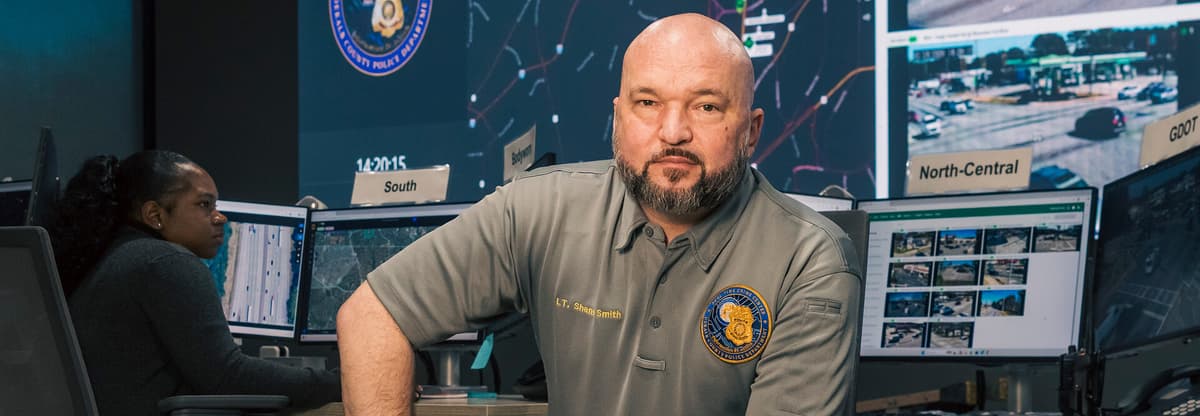
- •DeKalb County RTCC launched Dec 15 with 230 live cameras
- •Integrated feeds include Flock, Axon Fusus, GDOT cameras, drones
- •Hartford’s C4 raised homicide solvability to 80%+ using AI analytics
- •Video evidence boosted case solvability 442% in study of 243 shootings
- •Spokane’s RTCC now accesses multi‑jurisdiction cameras via Milestone system
Pulse Analysis
Real‑time crime centers are reshaping public‑safety operations by turning fragmented video streams into actionable intelligence. In DeKalb County, the Digital Shield program unified more than 230 live cameras, 270 license‑plate readers and a massive digital wall, allowing analysts to pull a suspect’s image in minutes rather than hours. By aggregating feeds from municipal, state and private sources—Flock, Axon Fusus, Georgia DOT cameras, and even drones—the RTCC creates a single, searchable repository that speeds dispatch, improves officer safety and builds community confidence.
The impact extends beyond Georgia. Hartford’s Capital City Command Center (C4) paired Axis pan‑tilt‑zoom cameras with Milestone’s video‑management platform and AI edge analytics, achieving an 80%+ homicide solvability rate and a 442% increase in case resolution for shooting‑assault incidents. AI‑driven filters can isolate vehicle makes, pedestrian heat maps and other granular data, turning a broad video sweep into a precise “spearfishing” operation. This technology not only accelerates investigations but also supports proactive policing, from locating missing persons to curbing auto theft.
Spokane’s sheriff’s office illustrates how smaller jurisdictions can catch up by leveraging cloud‑based video‑management and inter‑agency sharing. By integrating Milestone, BriefCam analytics and mobile access, officers now review compressed footage in minutes instead of hours, even when cameras span courthouses and neighboring towns. As more than 300 RTCCs join the National Real‑Time Crime Centers Association, the trend signals a nationwide shift toward data‑centric, collaborative policing that promises faster apprehensions, reduced crime rates, and stronger public‑law‑enforcement partnerships.
How Real-Time Crime Centers Draw on Video Surveillance
Comments
Want to join the conversation?
Loading comments...