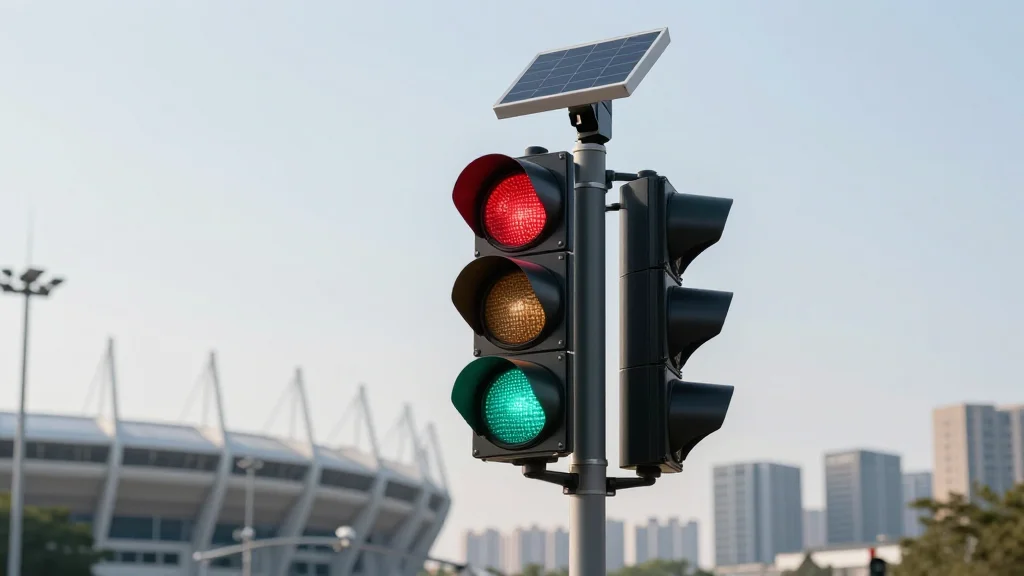
How Traffic Intelligence Helps Cities Host Major Sporting Events
Why It Matters
Effective traffic intelligence protects an event’s reputation, reduces resident disruption, and creates enduring transport improvements that boost a city’s competitiveness.
Key Takeaways
- •Traffic analytics model event‑specific congestion spikes
- •Separate fan, VIP, and emergency flows to avoid competition
- •Real‑time monitoring enables instant signal retiming and rerouting
- •London’s Olympics legacy shows lasting transport upgrades
- •Paris 2024 used public‑transport‑only venues and permanent bike lanes
Pulse Analysis
Major sporting events generate traffic patterns that are unlike any daily commute, overwhelming traditional planning tools. By ingesting real‑time probe data, GPS feeds, and historical travel behavior, traffic intelligence platforms can simulate thousands of scenarios before the first fan arrives. Planners then identify vulnerable corridors, allocate park‑and‑ride sites, and pre‑program signal timing adjustments, ensuring that the surge in demand does not cripple city streets. This data‑centric approach shifts decision‑making from reactive firefighting to proactive flow management, a shift that is increasingly expected by sponsors, broadcasters, and local governments.
The practical benefits are evident in recent case studies. During the 2022 FIFA World Cup in Qatar, limited historical traffic data forced authorities to rely on live analytics to keep airport‑to‑stadium routes moving. London’s 2012 Olympics injected roughly $8.3 billion into rail, bus and station upgrades, many of which remain in daily use, while Paris’ 2024 Games mandated public‑transport‑only access to every venue and installed permanent "Olympilanes" bike routes. Both cities leveraged traffic modeling not only to avoid gridlock but also to create infrastructure legacies that improve everyday mobility and attract future events.
Looking ahead, cities planning future championships should embed traffic intelligence into every phase of event management—from pre‑event feasibility studies to post‑event legacy assessments. Integration with smart‑city IoT sensors, AI‑driven incident prediction, and multimodal traveler apps will further reduce congestion and enhance safety. Moreover, transparent communication of real‑time travel information empowers commuters to make alternative choices, amplifying the impact of a few percent modal shift. In a competitive market for hosting rights, the ability to showcase a data‑backed, resilient transport plan can be a decisive advantage.
How traffic intelligence helps cities host major sporting events
Comments
Want to join the conversation?
Loading comments...