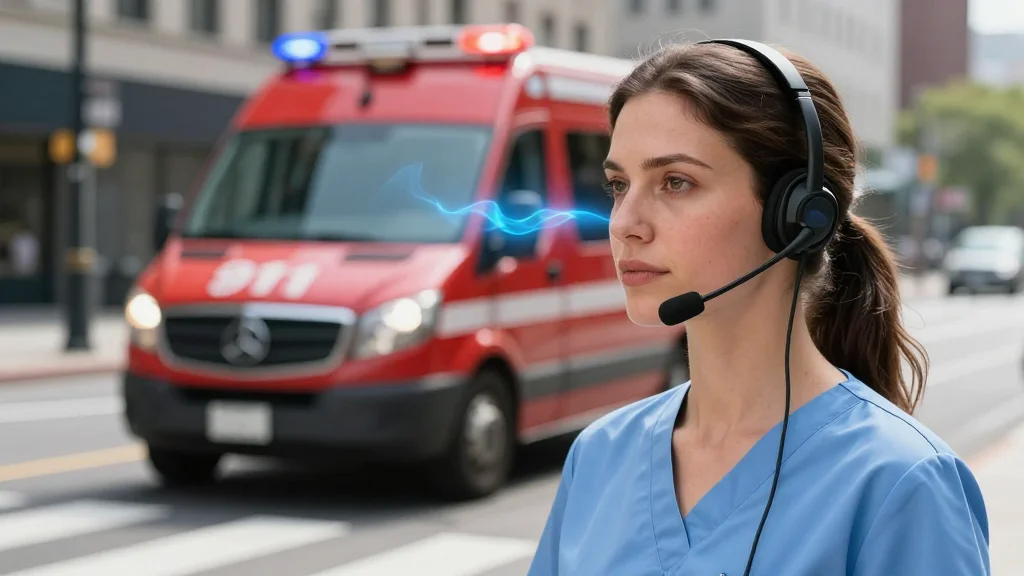
Ind. FD Launches Program to Divert Non-Emergency 911 Calls to Nurses
Why It Matters
Redirecting non‑emergency 911 calls eases ambulance demand, improves patient routing, and reduces public‑safety costs while expanding access to appropriate medical services.
Key Takeaways
- •THFD sees 450 extra runs yearly, 20% non‑emergencies
- •Crosswalk to Care redirects low‑acuity 911 calls to nurses
- •Program covers ~2,800 of 15,000 annual runs
- •No upfront cost; insurers pay Crosswalk
- •Indianapolis pilot showed 60% calls unnecessary for ambulance
Pulse Analysis
Emergency medical services across the United States are grappling with a surge in low‑acuity 911 calls that strain resources and inflate costs. In Terre Haute, Indiana, the fire department’s partnership with Crosswalk Health introduces a triage layer that routes non‑emergency callers to registered nurses instead of ambulances. By training dispatchers to ask targeted yes‑or‑no questions, the system can decide within 30 to 90 seconds whether a call warrants an emergency response or a nurse‑guided referral, effectively separating true crises from routine health concerns.
The financial model behind Crosswalk to Care is equally innovative. Municipalities incur no upfront expenses; instead, Crosswalk receives reimbursement from health insurers for the nurse‑provided services. This arrangement aligns incentives, as insurers benefit from reduced emergency department utilization and lower transport costs. Early data from the Indianapolis pilot revealed that roughly 60% of diverted calls did not require an ambulance, with patients redirected to urgent‑care clinics, dental offices, mental‑health resources, or home prescription deliveries. Such redirection not only frees up ambulances for life‑threatening cases but also shortens patient wait times and improves overall care continuity.
Looking ahead, the program’s expansion to other Indiana, Kentucky, and Ohio cities could reshape how communities manage emergency call volumes. By integrating clinical expertise directly into the dispatch workflow, municipalities can enhance public safety while supporting a more efficient, patient‑centered healthcare ecosystem. As more regions adopt nurse‑triage models, the industry may see a broader shift toward hybrid emergency response systems that balance rapid medical intervention with cost‑effective care pathways.
Ind. FD launches program to divert non-emergency 911 calls to nurses
Comments
Want to join the conversation?
Loading comments...