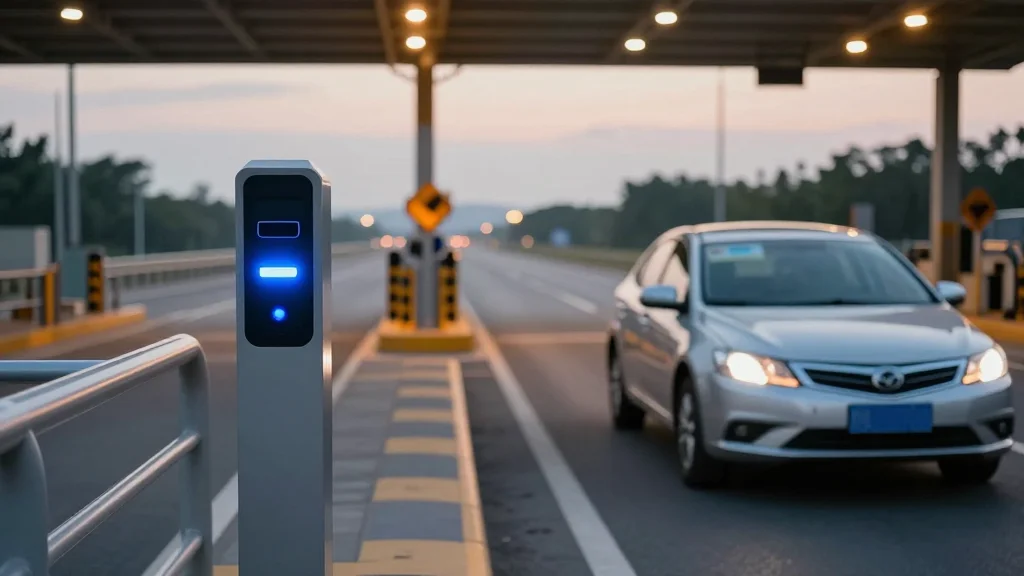
India Makes FASTag and UPI Mandatory at All National Highway Toll Plazas

Why It Matters
Requiring FASTag and UPI at every national‑highway toll plaza transforms a traditionally cash‑heavy service into a data‑rich, automated system. The change improves traffic flow, reduces congestion, and curtails opportunities for revenue leakage, directly benefiting commuters and the public treasury. Moreover, the policy showcases how GovTech solutions can be scaled across a vast, heterogeneous geography, setting a precedent for other public‑service domains such as public transit fare collection and municipal utilities. The initiative also strengthens India’s position as a global leader in digital payments. By embedding UPI—a platform that processes billions of transactions monthly—into critical infrastructure, the government reinforces the ecosystem’s resilience and encourages further innovation from fintech startups seeking to integrate with transportation services.
Key Takeaways
- •All national‑highway toll plazas must accept only FASTag RFID tags or UPI payments as of April 11 2026.
- •Tamil Nadu, Kerala, Assam, West Bengal and Puducherry are exempt until elections conclude.
- •Digital collection is expected to cut vehicle queues and reduce cash handling at tolls.
- •The policy creates a nationwide data stream for traffic analytics and revenue monitoring.
- •Future integrations may include dynamic pricing, V2I communication, and expanded digital fees.
Pulse Analysis
India’s decision to make FASTag and UPI mandatory at every national‑highway toll plaza is a textbook example of scaling GovTech through existing fintech infrastructure. The country already boasts one of the world’s most active digital payment ecosystems, and this policy leverages that momentum to solve a long‑standing bottleneck in road transport. By standardizing payment methods, the government eliminates the patchwork of legacy cash systems that have historically hampered revenue collection and traffic efficiency.
Historically, toll collection in India has suffered from cash‑related delays, fraud, and inconsistent enforcement. The FASTag rollout, which began in 2019, achieved near‑ubiquitous coverage but still coexisted with cash payments. The new mandate removes that duality, forcing a clean break that should accelerate the shift to a fully automated tolling environment. In the short term, the biggest challenge will be ensuring that all commuters—especially those in rural or low‑banked segments—have access to FASTag devices or UPI accounts. The government’s outreach programs and subsidies for tag issuance will be critical to avoid exclusion.
From a market perspective, the policy guarantees a predictable transaction volume for UPI providers and RFID tag manufacturers, potentially spurring further investment in related hardware and software solutions. Fintech firms may see an opportunity to bundle value‑added services, such as real‑time toll‑cost analytics for fleet operators. Meanwhile, the data generated by the system could feed into AI‑driven traffic management platforms, opening a new frontier for public‑private partnerships in smart city initiatives. If the rollout delivers on its promise of smoother traffic and higher revenue integrity, it could become a blueprint for other cash‑intensive public services across emerging economies.
India Makes FASTag and UPI Mandatory at All National Highway Toll Plazas
Comments
Want to join the conversation?
Loading comments...