Infrastructure Investment at Lancashire Treatment Works
Why It Matters
Reducing phosphorus improves river health and helps United Utilities meet tightening UK water quality standards, showcasing a replicable model for constrained utility upgrades.
Key Takeaways
- •Ferric dosing cuts phosphorus, improving downstream water quality
- •Off‑site kiosks and specialist lifting sped installation despite narrow access
- •BIM 3‑D modeling prevented clashes, keeping the build on schedule
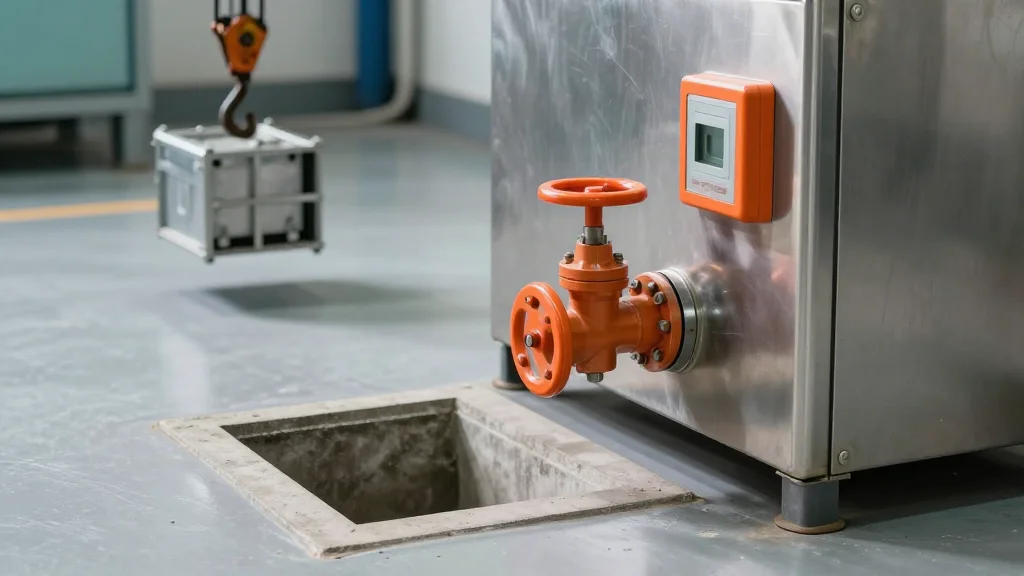
- •Bespoke manhole isolates spills, protecting soil and nearby streams
Pulse Analysis
Phosphorus runoff has long plagued UK rivers, triggering algal blooms and costly remediation. United Utilities’ investment at the Over Kellet and Nether Kellet sites directly tackles this challenge by deploying ferric dosing technology that precipitates phosphorus, while caustic is added to maintain optimal pH. The result is a measurable drop in effluent phosphorus, aligning the utility with the Environment Agency’s stringent discharge limits and supporting the broader national goal of cleaner waterways.
The engineering solution blends off‑site fabrication with on‑site precision. Custom‑built chemical dosing kiosks were manufactured and tested away from the constrained plant, allowing rapid installation via a specialist lifting contractor. A unique manhole design acts as a conventional access point during normal operation but can be sealed to capture any chemical spill, preventing contamination of the surrounding ground and the nearby Nether Beck. These innovations illustrate how utilities can overcome tight site logistics without compromising safety or environmental safeguards.
Project delivery was underpinned by Building Information Modelling (BIM), which created an integrated 3‑D model of the treatment plant. This virtual environment enabled engineers to visualise equipment within narrow rural road access, identify conflicts early, and streamline the construction sequence. By removing redundant infrastructure and repurposing space, the team maintained uninterrupted wastewater treatment for customers. The successful use of BIM and modular construction at United Utilities sets a benchmark for future water‑sector upgrades, highlighting the value of digital twins in reducing risk, accelerating timelines, and delivering sustainable environmental outcomes.
Infrastructure investment at Lancashire treatment works
Comments
Want to join the conversation?
Loading comments...