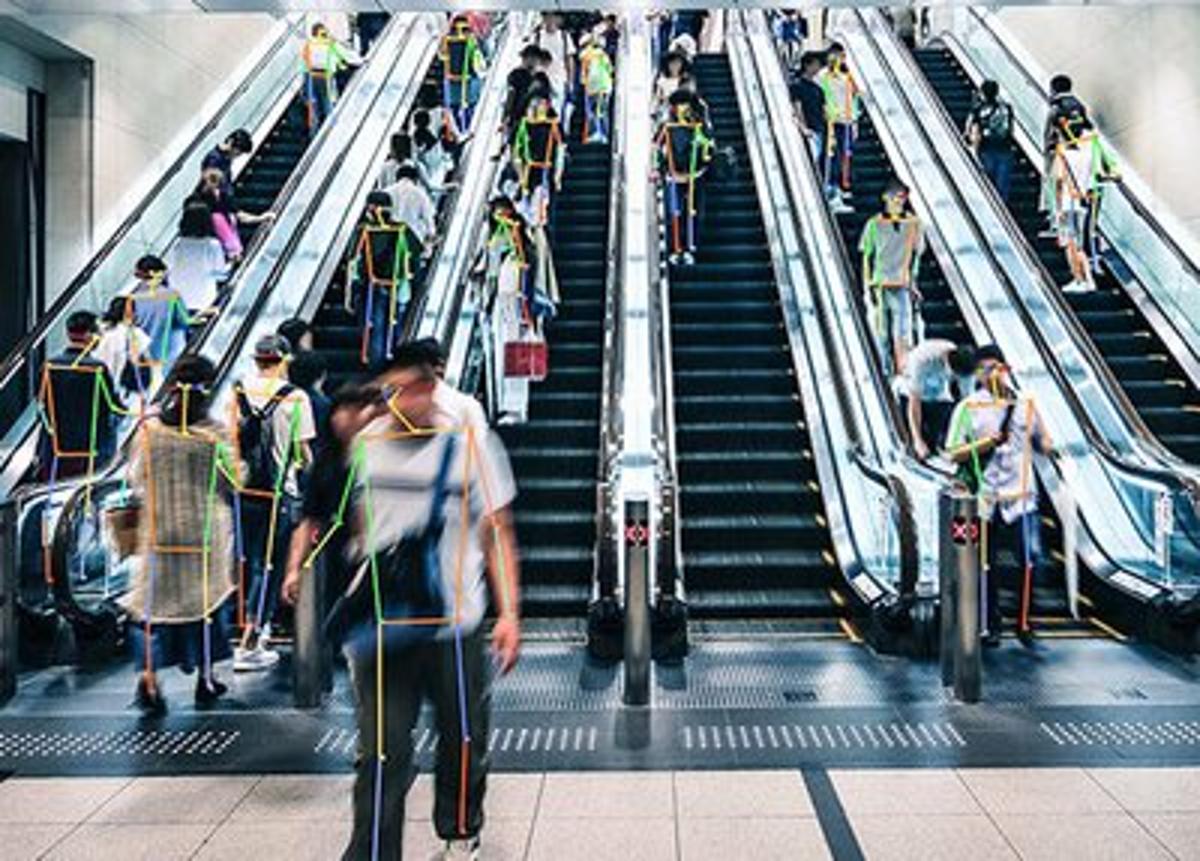
Japan Stations, Facilities Using AI System to Prevent Suicide by Jumping
Companies Mentioned
Why It Matters
The technology offers a scalable, real‑time safety net in a country grappling with high suicide rates, potentially saving lives while setting a precedent for AI‑driven public‑space security worldwide.
Key Takeaways
- •AI monitors posture at 40 Japanese stations and facilities
- •System has prevented at least two suicide attempts since deployment
- •Alerts are sent to guards via speakers or direct notifications
- •Trained on 7 million video clips from 200 commercial sites
- •Detects illness, immobility and violence in addition to suicide risk
Pulse Analysis
Japan’s suicide rate remains among the highest in the developed world, prompting policymakers and private firms to explore proactive interventions. Traditional measures—hotlines, counseling, and physical barriers—have had limited reach, especially in high‑traffic public spaces where a moment’s hesitation can be fatal. By embedding computer‑vision algorithms into existing security infrastructure, AI offers continuous, unobtrusive monitoring that can spot subtle cues of distress before a person reaches a critical point. This shift reflects a broader trend of leveraging data‑driven tools to augment mental‑health initiatives, aligning public safety with emerging technology.
Asilla’s platform distinguishes itself through a massive, crowdsourced training set. Since 2022 the company has collected roughly 7 million video snippets from 200 commercial locations, teaching the model to differentiate between ordinary loitering and genuine suicidal intent. The system evaluates posture, gait, dwell time near edges, and even facial expressions, generating risk scores that trigger audible warnings or direct alerts to on‑site security staff. Early field reports cite two confirmed rescues—a man planning to jump from a restricted area and a child found writing a suicide note—demonstrating the practical impact of real‑time AI assistance in high‑density environments.
The rollout carries significant commercial and regulatory implications. If the technology proves reliable, it could be licensed to transit authorities worldwide, creating a new export market for Japanese AI firms. However, privacy advocates warn that constant surveillance may erode civil liberties, urging transparent data handling and strict usage limits. Balancing safety gains with ethical safeguards will be crucial as municipalities weigh the cost‑benefit of AI‑enabled suicide prevention. Successful integration could set a benchmark for future smart‑city applications that aim to protect vulnerable populations without compromising personal privacy.
Japan stations, facilities using AI system to prevent suicide by jumping
Comments
Want to join the conversation?
Loading comments...