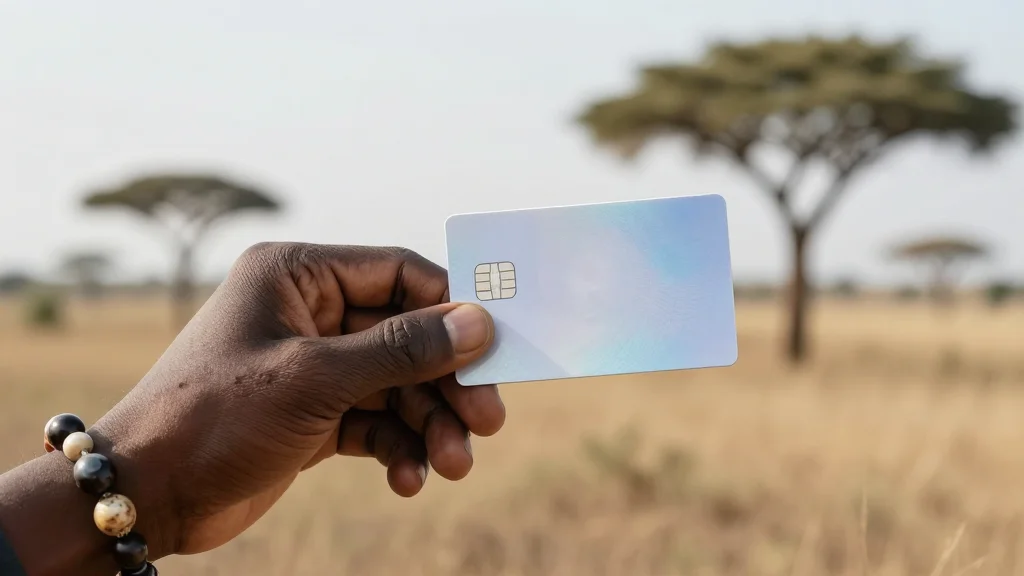
Kenya Launches Phase Two of Mobile ID Registration to Reach Marginalized Communities

Why It Matters
Universal identification is a cornerstone of modern governance, enabling citizens to claim rights, access health care, and participate in elections. Kenya’s Phase Two mobile ID drive tackles entrenched geographic inequities, potentially lifting millions into formal state systems. By eliminating fees and extra vetting, the programme reduces the cost of citizenship and aligns with global digital‑inclusion goals. If successful, the initiative could serve as a model for other low‑income nations grappling with similar marginalisation. It also raises important questions about data security, the capacity of public institutions to manage a rapidly expanding biometric database, and the long‑term sustainability of fee‑free registration models.
Key Takeaways
- •Phase Two of Kenya’s mobile ID registration launched on May 10, 2026, targeting pastoralist and border counties.
- •Extra vetting requirements and registration fees have been removed for the targeted communities.
- •A six‑month extension of the ID replacement fee waiver was announced on May 1, 2026.
- •President William Samoei Ruto’s broader reforms include scrapping fees for first‑time ID applicants and birth‑certificate authentication.
- •First‑phase registration earlier in 2026 recorded roughly 1.2 million new IDs.
Pulse Analysis
Kenya’s mobile ID rollout reflects a strategic pivot toward inclusive digital governance, echoing trends seen in Rwanda and Estonia where state‑provided biometric IDs have become gateways to public services. The removal of fees and vetting hurdles addresses two classic supply‑side constraints: cost and administrative friction. By tackling these, the government not only expands its citizen database but also creates a more reliable foundation for data‑driven policy.
Historically, Kenya’s ID programme has suffered from uneven uptake, with border and pastoralist groups lagging due to distance, mistrust, and hidden costs. The current phase leverages mobile units—a low‑cost, high‑flexibility delivery model—to overcome geographic barriers, while the fee waiver removes a direct financial disincentive. If registration rates climb as projected, the state will gain a richer dataset for targeting social‑protection cash transfers, potentially reducing leakages and improving fiscal efficiency.
However, rapid biometric expansion carries risks. Data‑privacy advocates warn that without stringent safeguards, the enlarged database could be vulnerable to misuse or cyber‑attacks, especially in regions with limited digital literacy. The government’s ability to balance inclusion with security will determine whether the programme sustains public trust. Moreover, the fee‑free model raises budgetary questions: sustaining free registration and replacement services will require steady fiscal allocation, which could be challenged by competing budget priorities.
In the medium term, successful implementation could position Kenya as a regional leader in GovTech, attracting foreign investment in digital‑identity infrastructure and encouraging neighboring states to adopt similar mobile‑first approaches. The upcoming performance report in September will be a critical barometer for policymakers and investors alike, indicating whether the initiative can scale without compromising data integrity or fiscal sustainability.
Kenya launches Phase Two of mobile ID registration to reach marginalized communities
Comments
Want to join the conversation?
Loading comments...