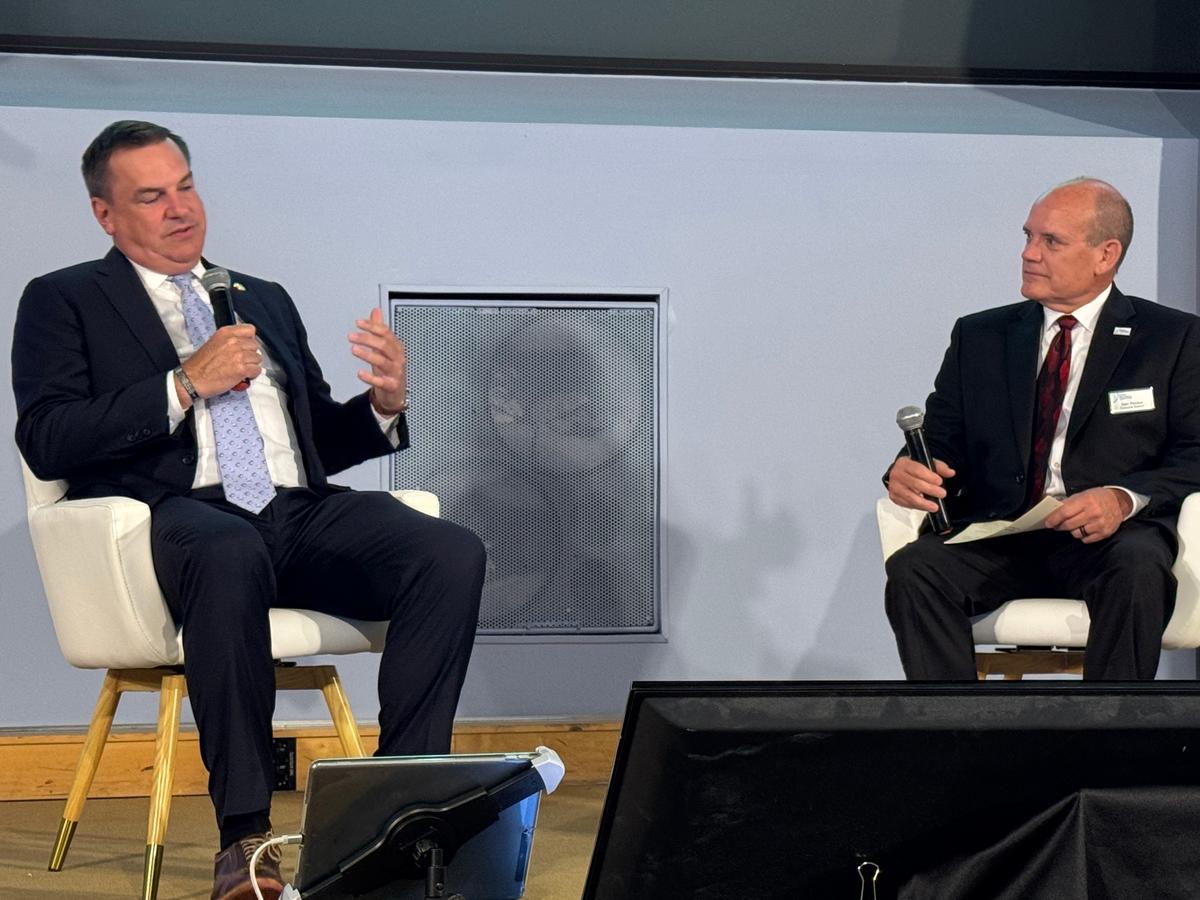
Key House Member Outlines Potential Path to NG911 Funding
Why It Matters
Federal financing would accelerate NG911 rollout, modernizing emergency communications and saving lives, while setting a precedent for cross‑party infrastructure funding.
Key Takeaways
- •NG911 cost now estimated at $5.8‑$9.27 billion
- •Hudson eyes $5 billion from unused $20 billion BEAD pool
- •Bipartisan Senate approval (60 votes) required for funding bill
- •FirstNet reauthorization shows possible bipartisan path
Pulse Analysis
The shift to IP‑based next‑generation 911 promises faster, richer data for emergency responders, but the $5.8‑$9.27 billion price tag has long stalled federal action. The National Telecommunications and Information Administration’s latest study, released this spring, slashed the earlier $15 billion projection, giving lawmakers a more manageable figure. This recalibration aligns with industry expectations that NG911 can reduce response times, integrate text, video, and location data, and ultimately improve public safety outcomes across the United States.
Political maneuvering now centers on how to fund the initiative. Rep. Richard Hudson suggests tapping $5 billion from the $20 billion of unspent Broadband Equity Access and Deployment (BEAD) money, a move that would repurpose broadband stimulus funds for emergency infrastructure. While the proposal could streamline financing, it faces opposition from lawmakers wary of diverting broadband resources. Hudson emphasizes that any successful bill must secure bipartisan backing, especially in the Senate where a 60‑vote supermajority is needed to overcome procedural hurdles.
If Congress approves federal NG911 funding, the rollout could accelerate dramatically, benefiting municipalities that have struggled to finance the transition. Faster adoption would enable text‑to‑911, multimedia alerts, and real‑time mapping, enhancing situational awareness for first responders. Moreover, a bipartisan funding model could set a template for future critical‑infrastructure projects, reinforcing the notion that public‑safety technology can garner cross‑party support when cost estimates are clear and the societal payoff is evident.
Key House member outlines potential path to NG911 funding
Comments
Want to join the conversation?
Loading comments...