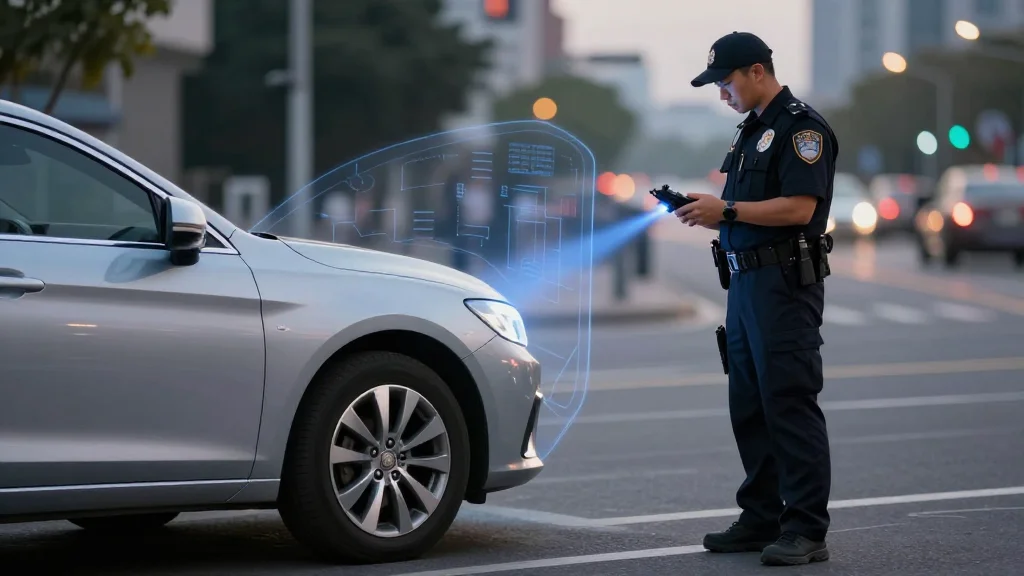
Keyless Car Theft Devices Outlawed at Last, as Police Get New Powers to Track Stolen Vehicles
Why It Matters
By closing the legal loophole on theft‑enabling tools, the law aims to curb organized crime’s lucrative vehicle‑theft market and could translate into lower insurance premiums for drivers.
Key Takeaways
- •Crime and Policing Act 2026 criminalises possession of keyless theft gadgets.
- •Offenders face unlimited fines and up to five years imprisonment.
- •Police can enter premises without a warrant to seize tracked stolen assets.
- •122,000 UK car thefts reported Apr 2024‑Mar 2025; 60% involve electronic devices.
- •Industry expects reduced insurance premiums as theft claims decline.
Pulse Analysis
Keyless car theft has evolved from simple “smash‑and‑grab” to sophisticated relay and CAN‑bus attacks that let criminals unlock and start a vehicle without ever touching the door. In the United Kingdom, police data show that roughly 60 % of vehicle thefts in London rely on these electronic gadgets, and a total of 122,000 incidents were recorded in England and Wales between April 2024 and March 2025, leaving more than 92,000 cases unsolved. The high success rate of relay attacks has driven a booming underground market for inexpensive devices that can be bought online, prompting lawmakers to act.
The Crime and Policing Act 2026 directly addresses that market by criminalising the manufacture, possession and supply of signal relays, jammers and CAN‑bus injectors. Penalties now include unlimited fines and up to five years’ imprisonment, a stark contrast to the previous regime where only the act of using the equipment was punishable. In addition, the bill gives officers authority to enter premises without a warrant when a stolen asset is being tracked, enabling rapid seizure of high‑value vehicles and disrupting the logistics chain that organized crime relies on.
Industry observers expect the new framework to ripple through the automotive and insurance sectors. Fewer successful thefts could lower claim frequencies, allowing insurers to ease premiums that currently reflect “hundreds of millions of pounds” (≈ $125 million) in annual losses. Car manufacturers are also likely to collaborate more closely with law enforcement on remote‑inhibition technology and secure‑by‑design features. However, experts caution that criminal groups quickly adapt, so the legislation must be paired with broader initiatives—such as dismantling parts‑selling networks and leveraging connected‑vehicle data—to sustain long‑term reductions in vehicle crime.
Keyless car theft devices outlawed at last, as police get new powers to track stolen vehicles
Comments
Want to join the conversation?
Loading comments...