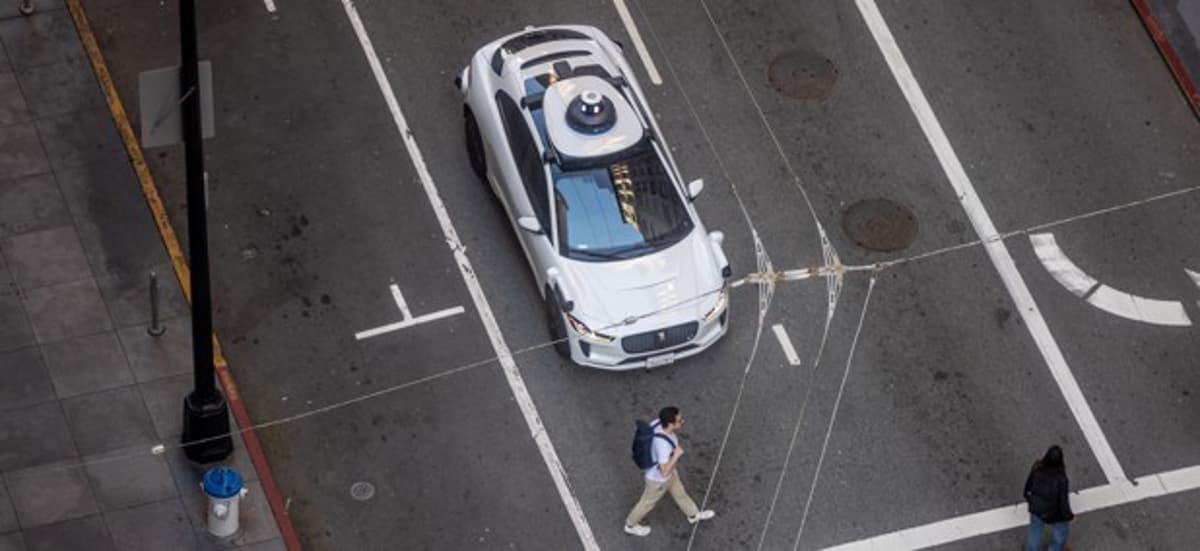
Labor Advocates Try to Put the Brakes on Unregulated, Self-Driving Waymo Cars
•March 4, 2026
0
Why It Matters
The debate spotlights a regulatory vacuum that could set a precedent for how U.S. states balance innovation with labor protection and public safety as autonomous vehicles expand nationwide.
Key Takeaways
- •Labor groups demand AV regulation before Waymo expansion
- •Waymo tests in Minneapolis with human drivers mapping streets
- •HF 3513 gives DOT commissioner authority over autonomous vehicles
- •Advocates warn self-driving cars could displace thousands of drivers
- •Safety data shows 91% fewer serious crashes versus humans
Pulse Analysis
Minnesota’s rapid embrace of Waymo’s driver‑assisted fleet underscores a broader national trend: autonomous vehicle firms are testing in cities that lack dedicated legislation. While Waymo argues its technology reduces crash risk, the state’s current legal framework treats these cars as conventional vehicles, leaving gaps in liability, data transparency, and emergency response protocols. This regulatory lag forces policymakers to confront whether existing traffic laws suffice or if a new, technology‑specific regime is required to protect motorists and pedestrians alike.
Labor advocates, led by the Teamsters Joint Council, warn that unchecked AV deployment could erode the gig‑economy labor market that many Minnesotans rely on for income. The experience of Uber sidestepping taxi regulations illustrates how tech firms can shape policy to their advantage, potentially marginalizing driver interests. By pushing for a moratorium until an advisory board conducts a comprehensive study, these groups aim to secure job security, fair wages, and a seat at the regulatory table, echoing broader concerns about automation’s impact on employment across the United States.
The pending HF 3513 bill attempts to bridge the regulatory void by empowering the Department of Transportation commissioner to grant, suspend, or revoke autonomous‑vehicle permits and to issue citations for traffic violations. Proponents cite peer‑reviewed research showing a 91% reduction in serious crashes compared to human drivers, positioning safety as a compelling argument for accelerated rollout. However, the bill’s critics argue that without an independent oversight mechanism, safety claims may not translate into real‑world protections. Minnesota’s outcome could become a template for other states grappling with the balance between fostering innovation and safeguarding labor and public safety.
Labor advocates try to put the brakes on unregulated, self-driving Waymo cars
0
Comments
Want to join the conversation?
Loading comments...