Las Vegas Launches New Traffic Camera Program
Companies Mentioned
Why It Matters
The pilot provides data‑driven insight to curb dangerous driving, potentially lowering injuries and fatalities while addressing resident privacy concerns. Its outcomes could shape future traffic‑management policies across Nevada and similar jurisdictions.
Key Takeaways
- •City council approved $402,080 traffic‑camera pilot at 12 intersections.
- •Cameras record speed and red‑light runs, no license‑plate or facial data.
- •6,555 red‑light violations recorded in one month at a busy junction.
- •Data will guide signage, police presence, and future safety investments.
- •Privacy safeguards limit access; data wiped after 12‑month pilot.
Pulse Analysis
Las Vegas has long grappled with dangerous driving patterns, especially at congested crossroads like Charleston Boulevard and Valley View Drive, where a regional analysis logged 6,555 red‑light violations in a single month. Statewide, Nevada recorded 361 traffic‑related deaths in 2025, a modest decline from the previous year but still far above the national average. City officials argue that without granular, intersection‑level data, traditional remedies—stop signs, speed humps, or occasional police sweeps—remain blunt tools that fail to address the underlying behavior.
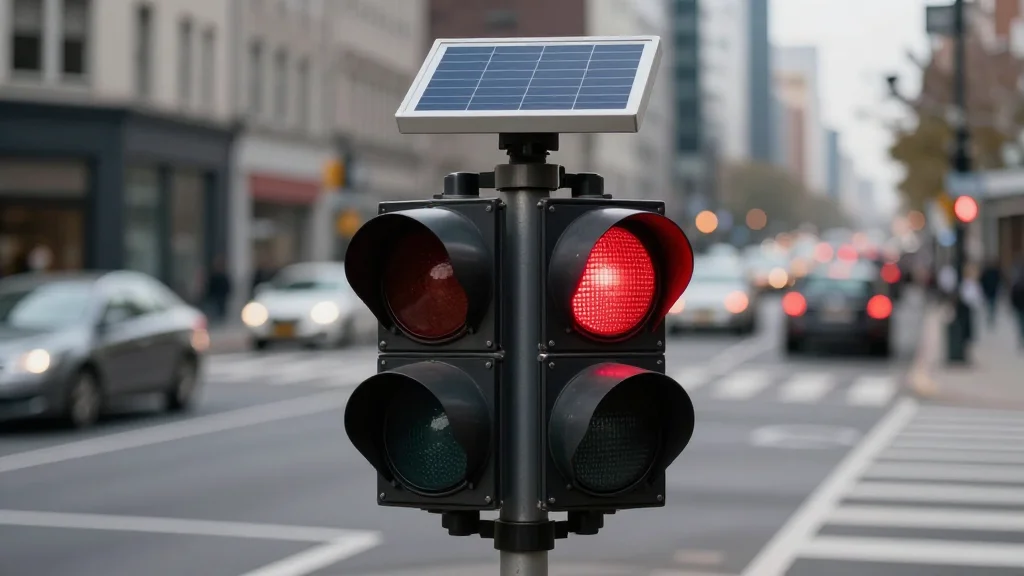
The newly approved pilot contracts Henderson‑based Ludian for a year‑long rental of solar‑powered radar and camera units that monitor four to six lanes simultaneously. Crucially, the system captures only three data points—speed, red‑light runs, and vehicle type—while explicitly prohibiting license‑plate scanning, facial recognition, and driver imagery. Data access is restricted to program administrators and will be purged after the trial, a safeguard designed to allay privacy fears heightened by the city’s existing partnership with Flock Safety’s broader surveillance network. State law currently bars automated citation issuance, so the cameras serve purely as an analytical tool rather than an enforcement mechanism.
If the pilot demonstrates that targeted signage and strategic police presence reduce violations, Las Vegas could justify scaling the technology citywide, influencing budgeting decisions for traffic safety infrastructure. Conversely, a lack of measurable impact would caution against costly expansions, reinforcing the need for alternative solutions such as driver education and street redesign. The program thus sits at the intersection of public safety, fiscal responsibility, and civil liberties, offering a template for other municipalities weighing the benefits of data‑driven traffic management against privacy considerations.
Las Vegas Launches New Traffic Camera Program
Comments
Want to join the conversation?
Loading comments...