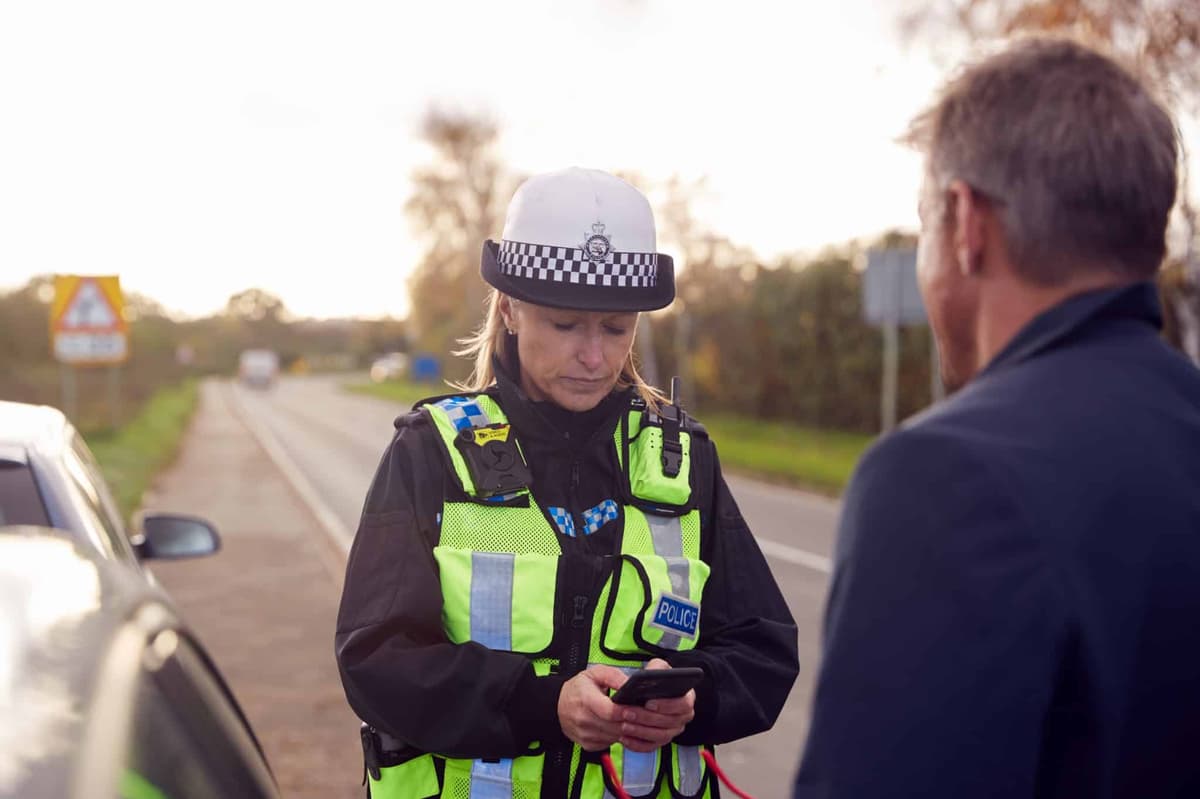
London Testing Facial Recognition App for Police as Another False Match Surfaces
•February 27, 2026
0
Why It Matters
The rollout highlights a clash between rapid biometric adoption and mounting evidence of racial bias, forcing regulators to balance public‑safety benefits against civil‑rights risks.
Key Takeaways
- •London pilots operator-initiated facial recognition on mobile phones
- •NEC NeoFace software claimed high NIST accuracy scores
- •False match arrests highlight bias in outdated facial algorithms
- •Rights groups demand stricter oversight and bans on police use
- •UK Home Office reviewing legal framework for biometric policing
Pulse Analysis
The Metropolitan Police’s OIFR trial marks a significant shift toward portable biometric verification. By allowing officers to capture a suspect’s image and query a cloud‑based database instantly, the system aims to streamline investigations and reduce the need for custodial processing. NEC’s NeoFace algorithms have consistently ranked near the top in NIST’s Face Recognition Vendor Test, a credential the police cite to justify deployment. Yet the technology’s mobility raises fresh privacy questions, as images are recorded and transmitted in real time across the city’s network.
Parallel to the London pilot, high‑profile misidentifications are eroding public confidence. In January, Thames Valley Police arrested Alvi Choudhury after an outdated 2020 Cognitec model incorrectly matched his face to a burglary suspect 100 miles away. The incident underscores documented higher false‑positive rates for Black and Asian faces, a pattern echoed in earlier cases involving the Met’s own systems. Critics argue that reliance on legacy algorithms, rather than the newer NeoFace suite, reflects a systemic bias that disproportionately impacts minority communities.
Regulators are now under pressure to codify clear limits on facial‑recognition use. The Equality and Human Rights Commission has called for an independent oversight body, while the Home Office’s ongoing consultation seeks to embed proportionality, necessity, and robust safeguards into law. As municipalities weigh the operational gains of instant identification against the risk of wrongful detentions, the outcome of these policy debates will shape the future of biometric policing across the UK and potentially set precedents for other democracies.
London testing facial recognition app for police as another false match surfaces
0
Comments
Want to join the conversation?
Loading comments...