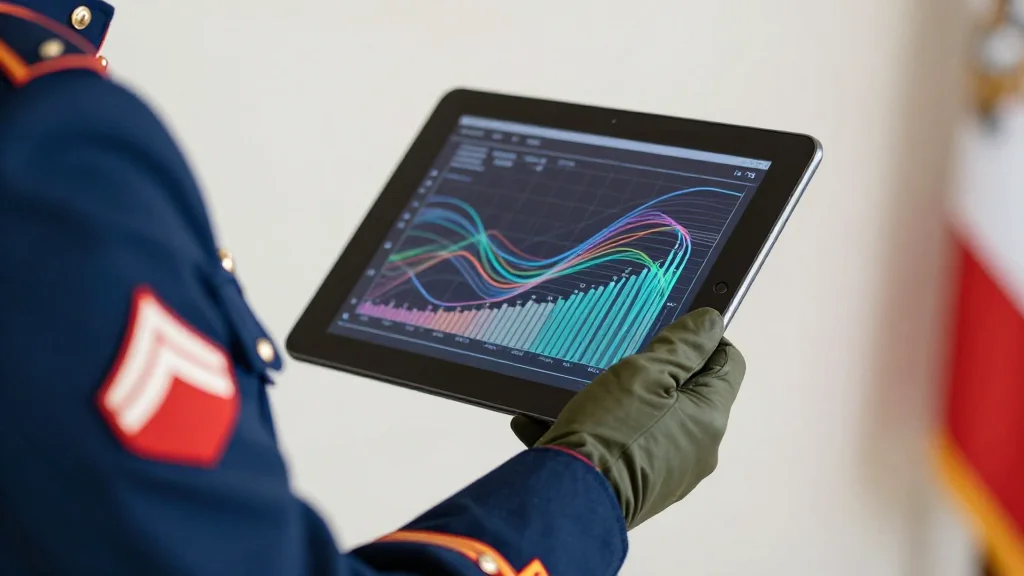
Marine Corps Turns to AI to Help ID Pay Delays, Boost Retention
Why It Matters
Real‑time insight into personnel concerns lets commanders intervene before Marines leave, reducing costly attrition and strengthening force readiness. The approach showcases how AI can modernize feedback loops in large, hierarchical organizations.
Key Takeaways
- •PULSE Check delivers real‑time pay‑delay and training‑gap insights
- •Four‑minute mobile survey replaces weeks‑long traditional audits
- •AI prototype built via conversational prompting, no coding required
- •Human‑in‑the‑loop design ensures commanders retain decision authority
- •Rapid feedback loop boosts morale and unit readiness
Pulse Analysis
The Marine Corps’ adoption of PULSE Check reflects a broader shift toward AI‑enabled pulse surveys in traditionally bureaucratic institutions. Conventional tools such as the Defense Organizational Climate Survey require extensive planning, execution, and analysis, often delivering findings after the underlying issues have already prompted attrition. By contrast, PULSE Check’s four‑minute, mobile‑friendly interface captures actionable data in near real time, allowing leaders to address pay‑delay complaints or training deficiencies before they erode morale. This immediacy mirrors commercial “Fitbit‑style” feedback loops, turning static annual assessments into dynamic, continuous listening mechanisms.
Technically, PULSE Check leverages a large language model to parse free‑form text, extracting sentiment and specific pain points without the need for structured questionnaires. Its prototype was assembled through conversational prompting with AI agents, a process that bypasses traditional software development cycles and enables rapid iteration. Crucially, the system is designed with a human‑in‑the‑loop architecture: AI surfaces insights, but commanders retain ultimate decision authority, mitigating risks associated with over‑automation. This governance model aligns with emerging defense AI policies that emphasize accountability and ethical use.
From a business perspective, the tool targets a key cost driver: personnel turnover. Each departing Marine represents lost training investment and operational capability, a burden the Department of Defense seeks to reduce. By closing the feedback loop quickly, PULSE Check can improve retention, lower recruitment expenses, and foster a culture where service members feel heard. The initiative also offers a template for other large enterprises grappling with employee engagement, suggesting that AI‑augmented, real‑time surveys could become a standard component of modern talent management strategies.
Marine Corps Turns to AI to Help ID Pay Delays, Boost Retention
Comments
Want to join the conversation?
Loading comments...