Massachusetts Order and Minnesota Approval Accelerate Virtual Power Plant Rollout

Companies Mentioned
Why It Matters
Virtual power plants represent a convergence of software, IoT hardware and regulatory frameworks that can transform how state grids balance supply and demand. By aggregating distributed assets—home batteries, EV chargers, industrial load‑shedding—VPPs provide fast, low‑carbon response without the capital intensity of new fossil‑fuel plants. The Massachusetts and Minnesota actions illustrate how state policymakers are moving from pilot projects to large‑scale mandates, setting precedents for other jurisdictions. If the Commonwealth’s 3.5 GW target is met, it could shave billions of dollars in avoided peaker‑plant construction and lower emissions across New England. Minnesota’s utility‑owned batteries, while controversial, may demonstrate a faster path to reliability improvements in regions where consumer‑owned aggregators are still nascent. Together, these initiatives could accelerate the national transition toward a more decentralized, software‑driven grid.
Key Takeaways
- •Massachusetts executive order calls for 3.5 GW of demand‑management resources by 2035, including VPPs.
- •New England’s 2025 peak demand was 26.1 GW; the Massachusetts target equals roughly 13% of that peak.
- •California’s largest VPP peaked at about 0.5 GW last July, highlighting the scale of Massachusetts’ ambition.
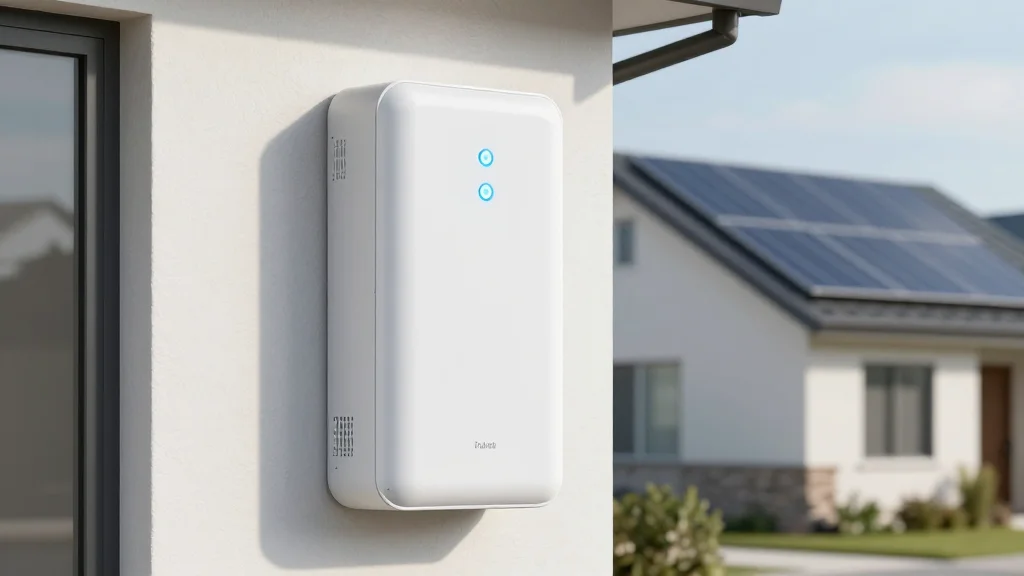
- •Minnesota regulators approved Xcel Energy’s 200 MW Capacity*Connect battery plan, with units of 1‑3 MW each.
- •Consumer advocates warn utility‑owned batteries may limit cost incentives and community control.
Pulse Analysis
The twin moves in Massachusetts and Minnesota signal a strategic shift from traditional, centralized generation toward a hybrid model that blends utility oversight with distributed intelligence. In the past, state‑level energy policy has focused on large‑scale infrastructure—transmission upgrades, new gas‑fired peakers, or renewable farms. The current VPP push flips that script, leveraging real‑time data streams and automated controls to marshal thousands of small assets as a single dispatchable resource. This approach reduces capital outlays and can be scaled incrementally, a compelling proposition for cash‑strapped state budgets.
However, the ownership debate could shape the market’s evolution. Massachusetts’ open framework encourages third‑party aggregators and consumer participation, potentially fostering a competitive ecosystem that drives down costs through innovation. Minnesota’s utility‑owned model, by contrast, may achieve quicker deployment but risks entrenching incumbent power structures and limiting the economic upside for participants. The outcome will likely hinge on how regulators balance reliability goals with consumer protection and market openness.
Looking ahead, the September baseline report in Massachusetts will be a litmus test for the state’s ability to inventory and mobilize existing resources. If the report uncovers a robust foundation, the Commonwealth could accelerate its VPP rollout, setting a template for other states grappling with aging grid assets and climate mandates. In Minnesota, the performance of Xcel’s Capacity*Connect pilot will provide hard data on cost savings, reliability gains, and consumer sentiment, informing whether utility‑led VPPs become a viable national model. Both cases will feed into the broader GovTech narrative: technology‑enabled policy can reshape public utilities, but the governance structure will determine who captures the value.
Massachusetts Order and Minnesota Approval Accelerate Virtual Power Plant Rollout
Comments
Want to join the conversation?
Loading comments...