MEPs Ask Where EU Billions for Africa Came From
•February 25, 2026
0
Why It Matters
The scrutiny threatens the EU’s ability to position Global Gateway as a strategic, values‑based rival to China, while exposing potential fiscal risks for African partners.
Key Takeaways
- •MEPs demand transparency on Global Gateway’s €306bn funding claim.
- •EU pledges €150bn for Africa, but guarantees under €10bn.
- •Project selection criticized as top‑down, lacking partner country demand.
- •Lobito Corridor faces operational delays, questioning scheme’s effectiveness.
- •MEPs suggest debt‑for‑nature swaps to avoid worsening African debt.
Pulse Analysis
The European Union’s Global Gateway program was launched as a values‑based counterweight to China’s Belt and Road Initiative, promising to mobilise over €300 billion for infrastructure worldwide by 2027. While the narrative emphasizes private‑public partnerships and climate‑friendly projects, the funding mechanics remain opaque. Critics point out that the EU’s own budget contributes less than €10 billion in guarantees for the €150 billion African pipeline, raising questions about the source of the remaining capital and the credibility of the pledged figures.
Parliamentary scrutiny has intensified as MEPs argue that the scheme’s governance is overly centralised, sidelining the actual demand of partner nations. By insisting on a model where European businesses match the needs of African countries, lawmakers hope to avoid the perception that EU finance merely redirects contracts to rival powers such as China. The call for debt‑for‑nature or debt‑for‑climate swaps reflects growing concern over debt sustainability in low‑income economies, a lesson learned from previous large‑scale infrastructure financing.
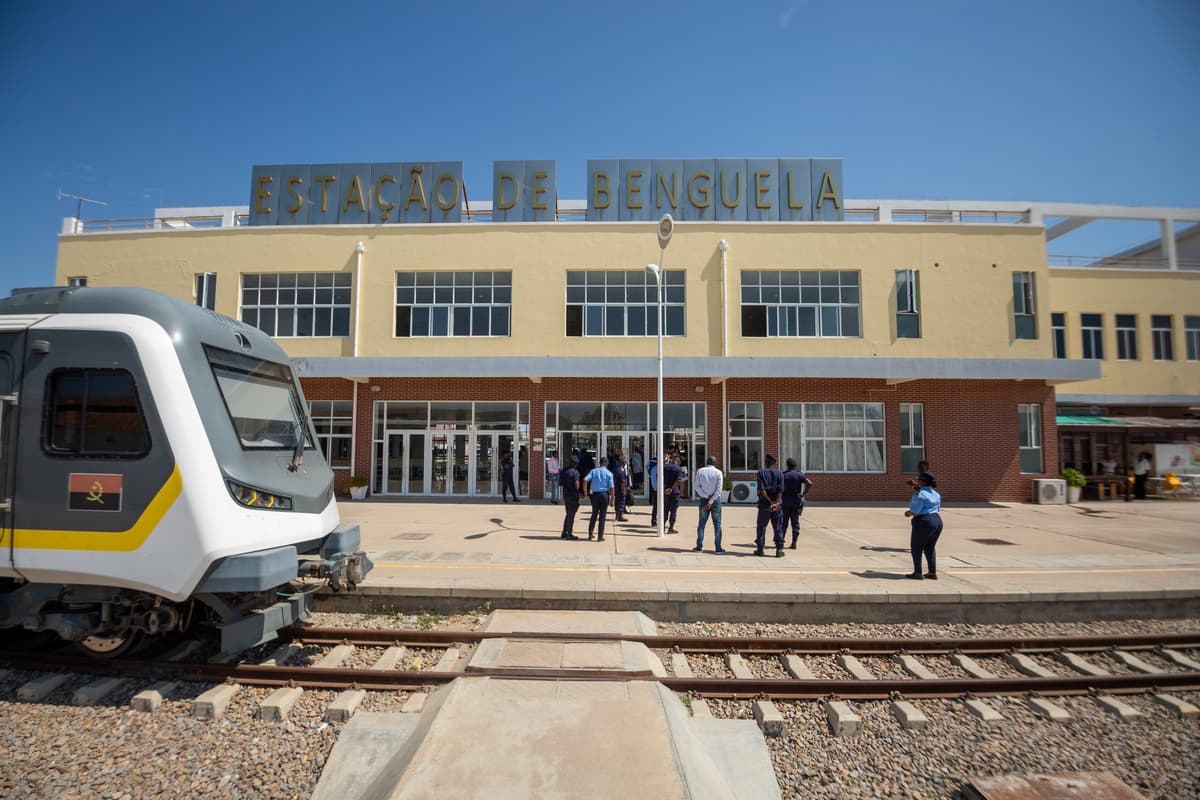
Operational hiccups, notably the stalled Lobito rail corridor linking Angola and Zambia, underscore the gap between ambition and execution. If the EU fails to address transparency, governance, and on‑ground performance, Global Gateway could lose its strategic edge and credibility. Reforms that embed partner‑driven project selection, clear funding trails, and robust impact assessments will be essential for the initiative to deliver on its geopolitical and developmental promises.
MEPs ask where EU billions for Africa came from
0
Comments
Want to join the conversation?
Loading comments...