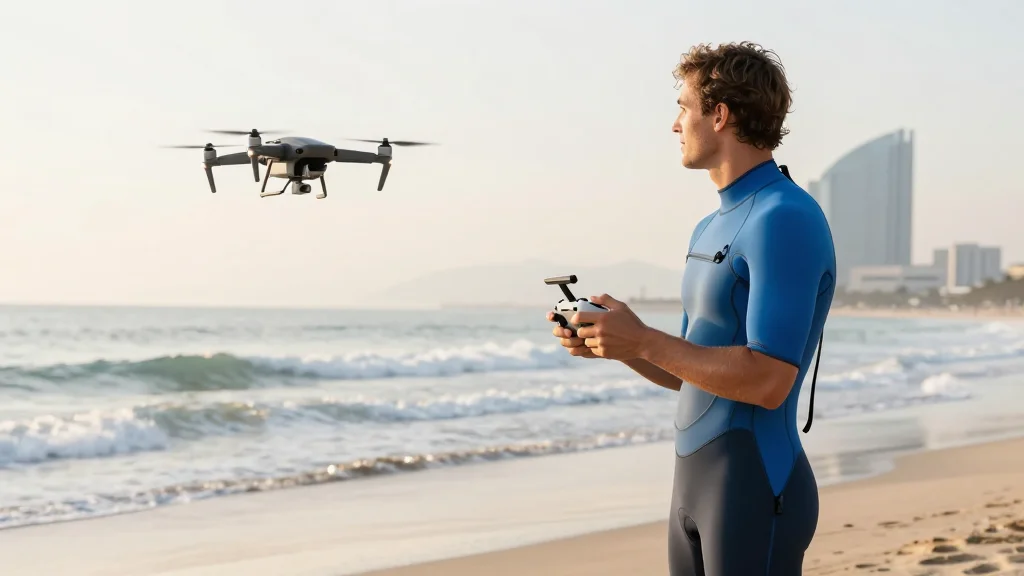
Mercury Would 'Be Alive': Shark Victim's Family Welcomes New Drone Plan
Why It Matters
Deploying drones gives beaches continuous, technology‑driven protection, reducing reliance on ineffective shark nets and potentially saving lives. The model could become a template for coastal safety programs worldwide.
Key Takeaways
- •125 surfers will be certified drone pilots by winter's end
- •NSW adds 60 drones covering beaches from Newcastle to Wollongong
- •Program expands $30 million (≈$20 M USD) Shark Management Initiative
- •Drones supplement patrols after surf‑life‑saving season ends
Pulse Analysis
Shark attacks on Australia’s east coast have long prompted costly and controversial mitigation measures, from shark nets to beach closures. The tragic death of 57‑year‑old surfer Mercury Psillakis in September 2025 highlighted the limitations of existing defenses, especially during off‑season periods when professional patrols wind down. In response, state authorities have turned to drone technology, leveraging its real‑time aerial view to spot great‑white sharks before they reach swimmers, a shift that aligns with global trends toward data‑driven public safety.
The new program, backed by roughly $20 million USD in the NSW Shark Management Program and an additional $430 k USD from the Minns government, partners with Surfing NSW to train local surfers as drone operators. By the end of the winter training cycle, 125 certified pilots will manage a fleet of 60 drones, each emblazoned with a tribute to Mercury. These drones will patrol the stretch between Newcastle and Wollongong, providing continuous coverage that bridges the gap left by Surf Life Saving NSW after the official patrol season, and allowing beaches to remain open while still ensuring rapid shark detection.
Beyond immediate safety gains, the initiative signals a broader industry pivot toward autonomous and AI‑enhanced surveillance. Stakeholders, including Minister Tara Moriarty, envision future deployments where drones operate autonomously from sunrise to sunset, integrating AI for species identification and predictive analytics. If successful, this model could be replicated along other Australian coastlines and internationally, reshaping coastal risk management and reducing dependence on physical barriers that have proven ineffective.
Mercury would 'be alive': Shark victim's family welcomes new drone plan
Comments
Want to join the conversation?
Loading comments...