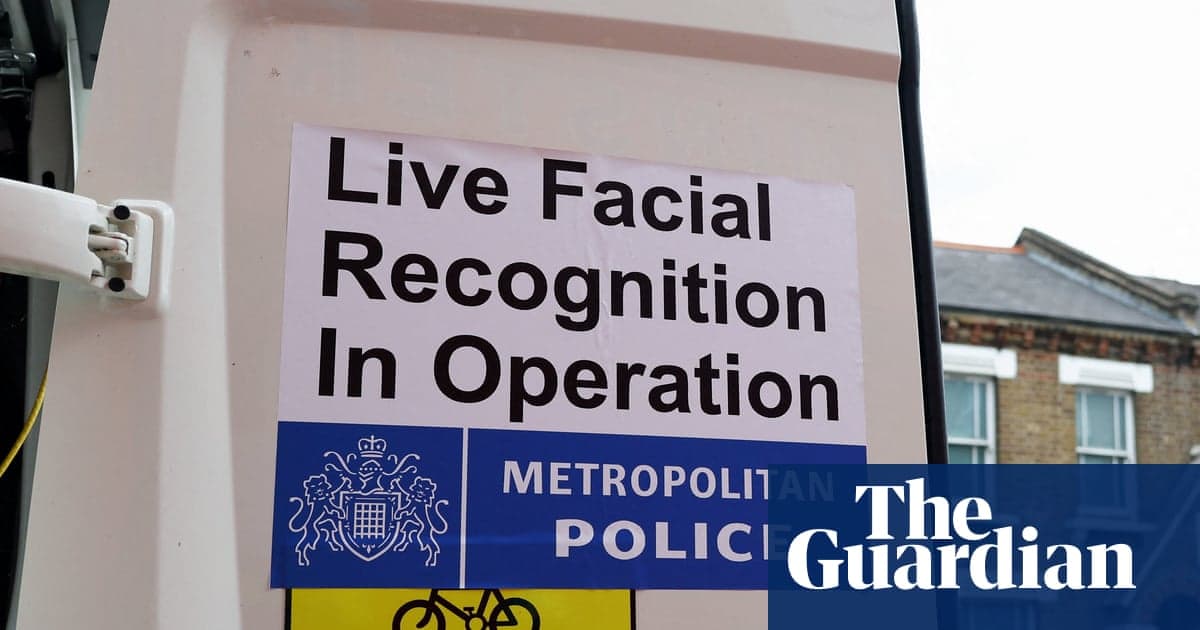
Met Palantir Row Goes to Heart of How Public Services Should Use AI
Why It Matters
The deal could set a precedent for how UK public services source AI, influencing future procurement standards and the balance between cost savings and democratic oversight. It also underscores the strategic risk of relying on foreign tech firms for critical security infrastructure.
Key Takeaways
- •Met police eye $63.5 M Palantir contract to offset $158 M budget gap
- •Home Office pushes AI adoption across UK policing at “pace and scale”
- •Critics cite procurement breaches and ethical concerns over US‑origin AI
- •Lack of domestic AI vendors leaves Met with limited alternatives
- •Union warns AI surveillance could erode officer trust and privacy
Pulse Analysis
The push for artificial intelligence in public safety reflects a broader fiscal crunch across UK institutions. The Metropolitan Police, facing a £125 million (≈$158 million) deficit, sees Palantir’s suite of data‑integration tools as a quick fix to automate the analysis of emails, phone records, and other digital evidence. By outsourcing to a firm that already services U.S. defense and immigration agencies, the Met hopes to preserve frontline staff while modernising investigative workflows. However, the reliance on a single, foreign vendor raises questions about data sovereignty and long‑term cost efficiency, especially as public budgets tighten.
Political backlash has amplified the controversy. Mayor Sadiq Khan blocked the contract, citing a breach of procurement rules and the incompatibility of Palantir’s corporate values with London’s ethos. Labour’s newly created Police AI centre and the Home Secretary’s directive to "ramp up use of AI" clash with public skepticism toward big‑tech firms linked to controversial government programs. Ethical concerns—ranging from potential bias in predictive policing to the spectre of mass surveillance—have prompted unions to label the proposal "Big Brother" and warn of morale erosion among officers.
The episode spotlights a strategic gap in the UK’s AI ecosystem. While smaller British firms can offer niche components, they lack the integrated platform Palantir provides, leaving the Met with few viable alternatives. This dependency may accelerate calls for home‑grown AI capabilities, increased public‑sector investment, and clearer regulatory frameworks governing AI procurement. As AI becomes embedded in critical infrastructure, policymakers will need to balance innovation speed with accountability, ensuring that cost‑saving measures do not compromise civil liberties or national security.
Met Palantir row goes to heart of how public services should use AI
Comments
Want to join the conversation?
Loading comments...