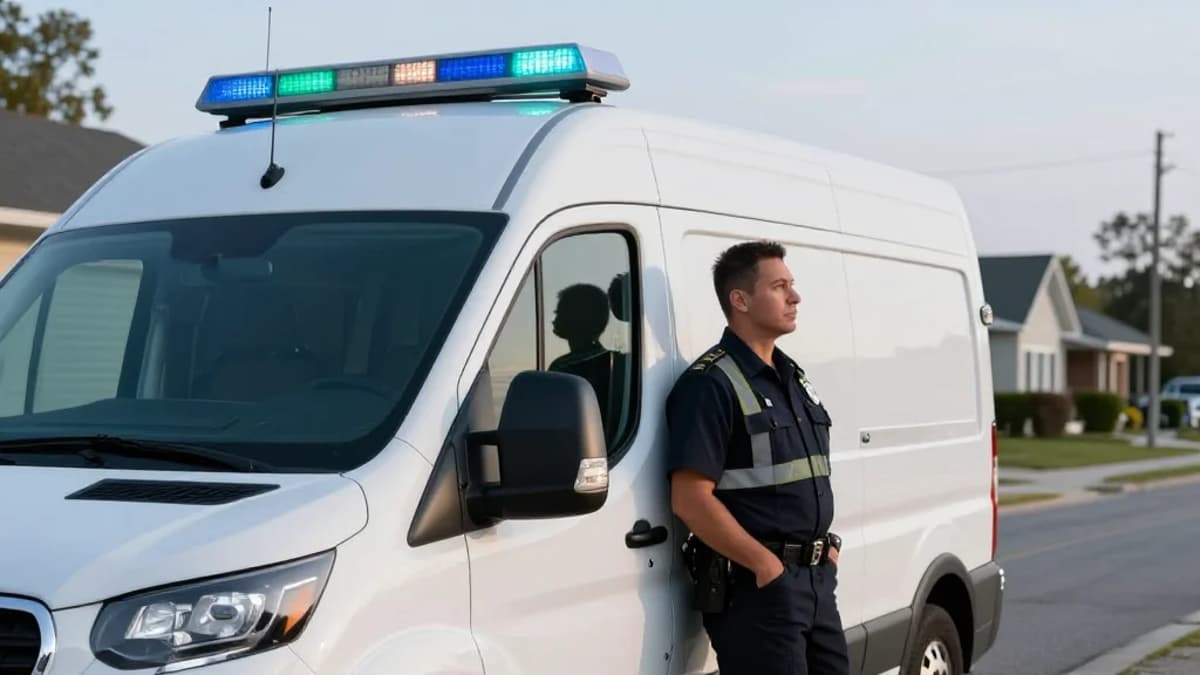
Mich. FD Rolls Out Peak-Demand EMS Units to Fight Paramedic Burnout
•March 3, 2026
0
Why It Matters
Offloading routine transports reduces paramedic burnout and speeds critical response, offering a replicable solution for municipalities confronting rising EMS demand.
Key Takeaways
- •Peak‑demand EMT units handle low‑acuity calls
- •Color‑coded dispatch improves resource matching
- •Paramedic workload dropped 2025 vs 2024
- •Program offers EMT career pathway to paramedic
- •Other districts explore nurse‑navigator models
Pulse Analysis
Rising EMS call volumes have strained fire‑based ambulance services across the Midwest, with Sterling Heights reporting a 31% increase over the past decade. Traditional three‑tier dispatch often sent advanced units to minor incidents, inflating overtime costs and accelerating paramedic fatigue. By adopting a five‑color priority system, the city can triage calls more precisely, dispatching basic EMT crews for yellow and green calls while reserving paramedics for red and blue emergencies. This granular approach aligns resources with patient needs, curbing unnecessary lights‑and‑sirens runs and improving overall system efficiency.
The peak‑demand unit’s impact is measurable: paramedic transports declined in the October‑December 2025 window compared with the same period in 2024, while the two EMT ambulances logged roughly 180 transports. This workload shift not only eases physical strain but also lifts morale, a critical factor in retaining seasoned providers. Moreover, the EMT/firefighter hybrid role creates a clear career ladder, allowing newcomers to gain field experience before advancing to paramedic certification, thereby expanding the talent pipeline without immediate training expenditures.
Other Michigan jurisdictions are watching closely. Detroit’s planned nurse‑navigator program and Livingston County’s community‑paramedic model echo the same goal—reducing unnecessary ambulance dispatches and hospital visits. If adopted widely, these strategies could lower municipal healthcare costs, improve response times for life‑threatening events, and address the chronic staffing shortages that have plagued EMS agencies since the pandemic. The Sterling Heights experiment thus serves as a practical blueprint for cities seeking sustainable, data‑driven solutions to EMS burnout and escalating demand.
Mich. FD rolls out peak-demand EMS units to fight paramedic burnout
0
Comments
Want to join the conversation?
Loading comments...