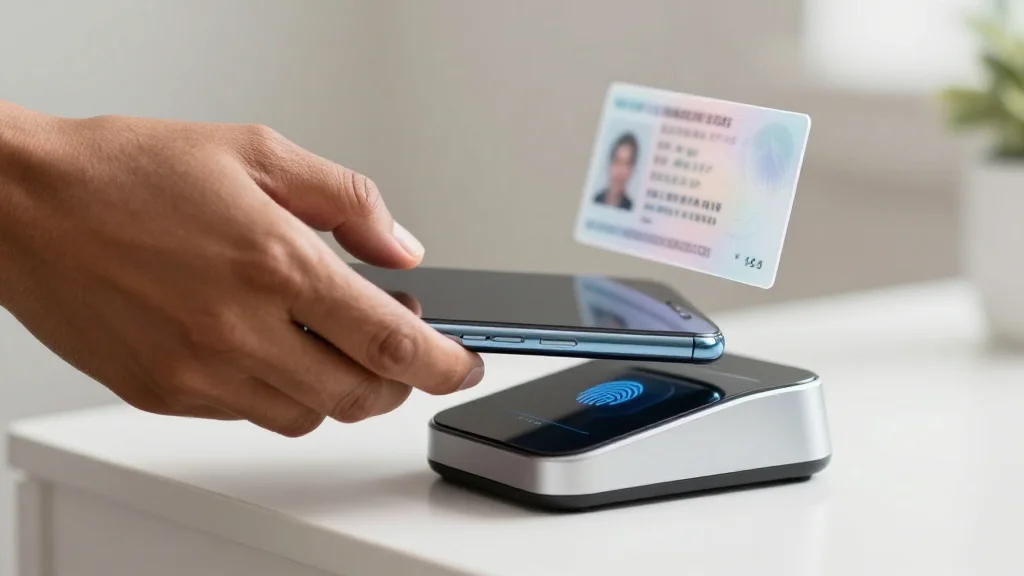
Modern Digital Identity Is Win for Government, People and Banks
Why It Matters
A unified digital identity reduces friction, cuts compliance costs, and strengthens fraud defenses, driving greater financial inclusion and economic growth across South Africa’s digital economy.
Key Takeaways
- •44.8% of SA firms still rely on in‑person ID verification
- •AI‑driven fraud cited by 59.2% of organisations as top threat
- •Digital wallets enable users to share only required data
- •65.7% of firms want stricter identity regulation
- •Reserve Bank’s payments modernisation includes digital identity support
Pulse Analysis
Globally, governments are re‑branding identity as a pillar of digital public infrastructure, linking it with payments, data sharing and trust frameworks. South Africa mirrors this shift: while its payments ecosystem modernises, the lack of a reusable digital identity creates operational friction. The 2024 Identity Index highlights that nearly half of local organisations still perform manual checks, underscoring a sizable efficiency gap that digital credentials can close. By adopting standards already proven in India, Singapore and the EU, South Africa can leapfrog legacy processes and accelerate participation in the formal economy.
The fraud landscape is evolving faster than traditional controls. Generative AI enables synthetic identities and automated impersonation at scale, prompting 59.2% of surveyed firms to label AI‑driven fraud as their chief concern. Yet 86.5% believe their current identity infrastructure is effective, revealing a confidence mismatch. Biometric‑bound credentials and reusable digital IDs offer a high‑assurance layer that can outpace synthetic attacks, reducing duplication, lowering onboarding costs, and improving detection of fraudulent patterns across banking and non‑banking sectors.
Policy and private‑sector collaboration are the catalysts for widescale adoption. The South African government’s role is to set interoperable standards, protect citizen rights, and drive consumer education—tasks reflected in 65.7% of firms calling for stricter regulation. Meanwhile, banks and payment service providers, already equipped with biometric onboarding, can distribute digital wallets that give users control over their data. Initiatives like the MyMzansi mobile driving licence and the Reserve Bank’s payments modernisation programme signal momentum, positioning digital identity as a cornerstone of inclusive growth, reduced fraud, and a more efficient digital economy.
Modern digital identity is win for government, people and banks
Comments
Want to join the conversation?
Loading comments...