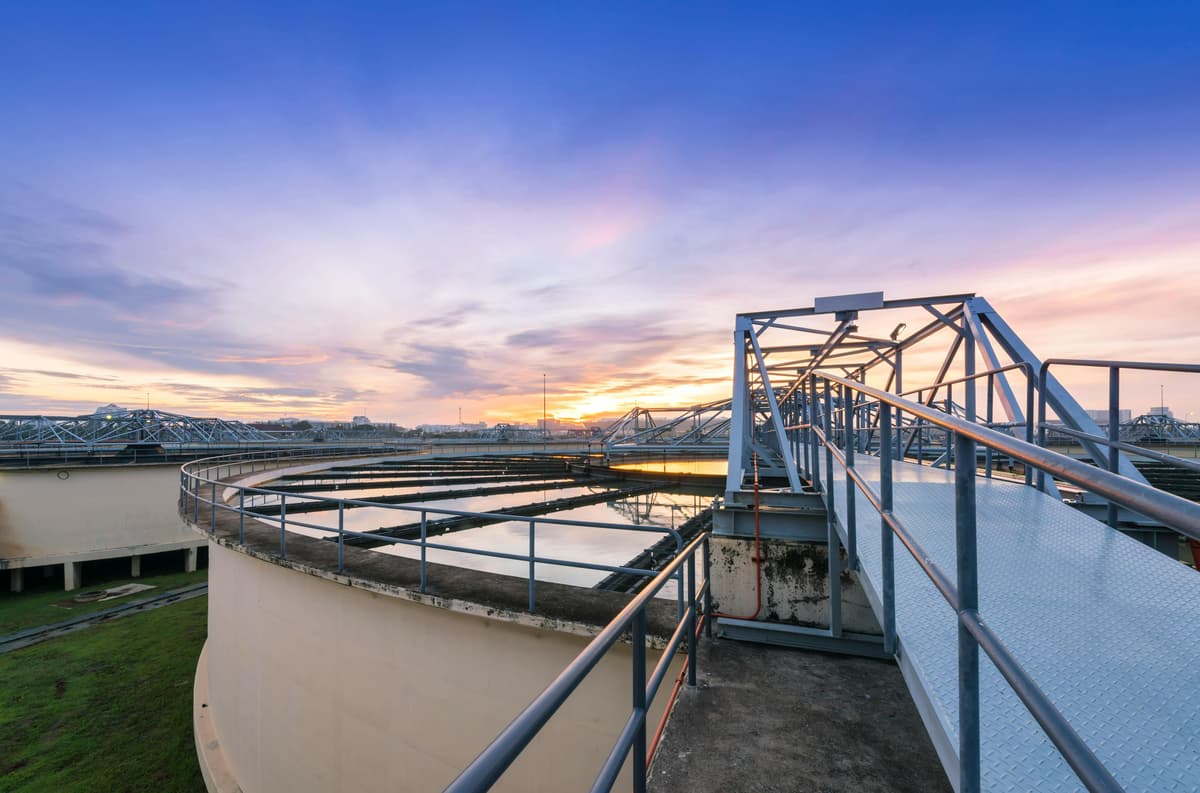
Modernizing Wastewater Systems: SCADA, Remote Monitoring & Cybersecurity for Resilient Operations
Why It Matters
Modern SCADA and cybersecurity investments protect critical water services and enable utilities to meet stricter compliance without massive capital outlays, directly impacting public health and operational budgets.
Key Takeaways
- •SCADA upgrades reduce downtime and extend asset lifespan
- •Remote sensors enable real‑time lift‑station monitoring across dispersed networks
- •Industrial‑control cybersecurity standards mitigate OT breach risks
- •Data analytics drive compliance reporting and operational efficiency
- •Interoperable architectures simplify integration of third‑party IoT devices
Pulse Analysis
The wastewater sector faces a perfect storm of aging pipelines, tighter effluent standards, and budget constraints that force utilities to rethink traditional control rooms. Modern SCADA platforms, built on open‑source protocols and cloud‑ready services, replace siloed legacy hardware with scalable, interoperable architectures. By consolidating telemetry from lift stations, pump stations, and treatment plants into a unified interface, operators gain instant visibility and can reallocate maintenance crews more efficiently. This digital overhaul not only improves reliability but also positions utilities to meet upcoming EPA mandates without costly over‑hauls.
Cybersecurity has become the linchpin of any OT modernization effort, as SCADA networks are increasingly exposed to internet‑bound devices and third‑party integrations. Adopting IEC 62443 and NIST 800‑82 frameworks helps utilities harden firewalls, segment control zones, and enforce strict authentication for remote access. Real‑time threat intelligence coupled with anomaly‑detection algorithms can isolate compromised PLCs before they disrupt service. For water districts, the cost of a breach—ranging from service interruptions to regulatory fines—far outweighs the investment in layered security controls. Continuous patch management further reduces exposure to known vulnerabilities.
Remote monitoring and data‑driven operations close the loop between measurement and decision‑making. Edge sensors now stream high‑frequency flow, pressure, and chemical data to cloud analytics platforms that flag inefficiencies and predict equipment failure. Utilities report up to a 15% reduction in energy use and a 20% drop in unplanned downtime after deploying such solutions. As municipalities pursue sustainability goals, the ability to demonstrate proactive asset management becomes a competitive advantage, attracting ratepayer support and unlocking federal grant funding for further infrastructure upgrades.
Modernizing Wastewater Systems: SCADA, Remote Monitoring & Cybersecurity for Resilient Operations
Comments
Want to join the conversation?
Loading comments...