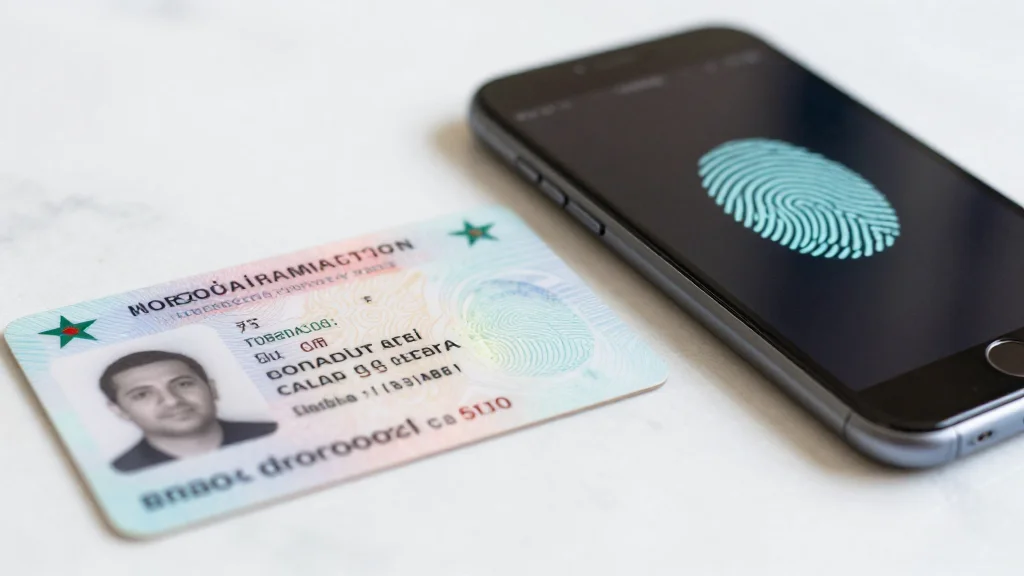
Morocco Launches Online Renewal for National ID Cards to Boost Digital Public Services

Why It Matters
The digital overhaul of Morocco’s national ID renewal process illustrates how governments can leverage technology to streamline essential services, reduce bureaucratic friction, and improve citizen satisfaction. By shifting most steps online, Morocco not only cuts costs associated with in‑person processing but also creates a scalable identity infrastructure that can underpin future digital initiatives, from e‑voting to automated tax compliance. Regionally, the move positions Morocco as a testbed for GovTech solutions in North Africa, offering a model for other countries grappling with legacy paperwork and limited service access. Successful adoption could accelerate digital‑government reforms across the continent, encouraging investment in secure identity platforms and fostering a more inclusive digital economy.
Key Takeaways
- •Online renewal of CNIE cards via Epolice.ma and cnie.ma platforms
- •"Mon e‑ID" mobile app to store digital ID on smartphones, including non‑NFC devices
- •Cybersecurity measures added to protect personal data and online transactions
- •Morocco ranked 90th globally in the 2024 UN E‑Government Survey with an EGDI score of 0.6841
- •Internet penetration reached over 108% with nearly 40 million subscriptions by March 2025
Pulse Analysis
Morocco’s decision to digitize national ID renewals reflects a strategic convergence of public‑service efficiency and digital‑identity economics. By front‑loading the administrative burden onto online platforms, the DGSN frees up resources for higher‑value tasks such as biometric verification and fraud detection. This mirrors trends in mature GovTech markets where identity verification is becoming a utility layer for a host of downstream services.
The "Mon e‑ID" initiative could be a game‑changer if it achieves broad adoption. In markets where mobile penetration outpaces fixed broadband, a smartphone‑based credential can serve as the de‑facto identity token for everything from banking to health records. However, the success of such a system hinges on robust authentication standards and public confidence in data security—areas where Morocco’s recent emphasis on cybersecurity will be tested.
From a competitive standpoint, Morocco’s rollout may pressure neighboring governments to accelerate their own digital‑identity roadmaps. The country’s high internet penetration provides a ready audience, but the real litmus test will be inclusion: ensuring that rural and low‑income citizens can access the services without a digital divide. If Morocco can demonstrate high uptake and low error rates, it could attract regional partnerships and private‑sector investment, cementing its role as a GovTech hub in Africa.
Morocco Launches Online Renewal for National ID Cards to Boost Digital Public Services
Comments
Want to join the conversation?
Loading comments...