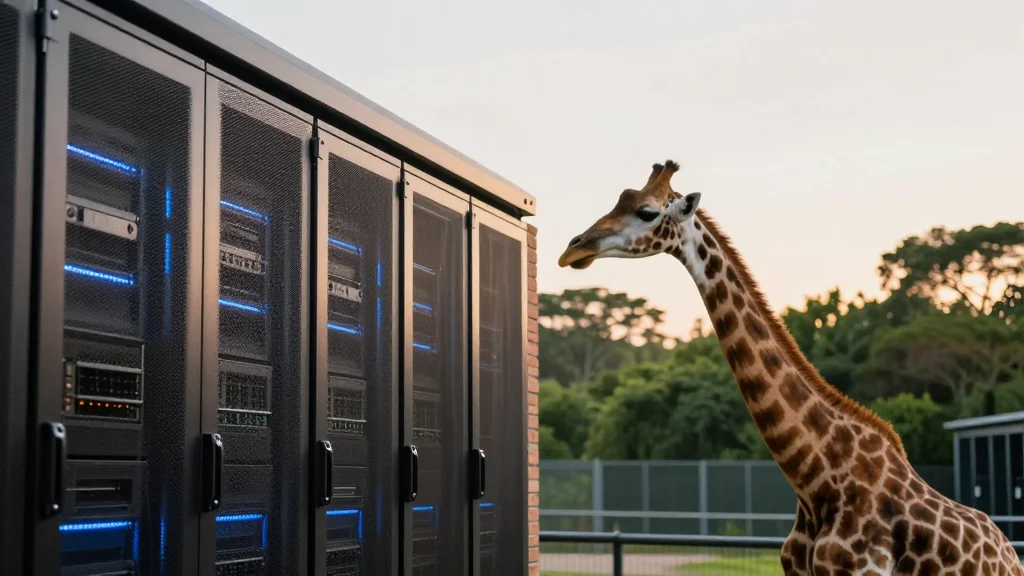
Nashville Zoo Leads Fight Against 69,000‑sq‑ft AI Data Center Near Its Grounds

Companies Mentioned
Why It Matters
The Nashville dispute highlights a critical gap in GovTech: municipal authorities lack clear, technology‑specific zoning and environmental standards for AI data centers, which consume vast amounts of electricity and water. As AI workloads grow, cities will increasingly face pressure to balance economic incentives with sustainability and public‑health concerns. The outcome will influence how other jurisdictions draft regulations, allocate tax incentives, and engage community stakeholders on high‑energy tech projects. Moreover, the case underscores the power of grassroots mobilization in shaping tech policy. With up to 180,000 petition signatures, local residents have forced city officials to confront a project that might otherwise have proceeded with minimal public input. This dynamic could encourage more community‑driven oversight of GovTech initiatives, prompting developers to incorporate environmental impact assessments and transparent communication early in the planning process.
Key Takeaways
- •Nashville Zoo and residents launched a petition that has gathered between 37,000 and 180,000 signatures to block a 69,000‑sq‑ft AI data center.
- •DC BLOX, an Atlanta‑based data center developer, seeks to build the facility adjacent to the zoo, within 50 yards of animal habitats.
- •Councilmember Courtney Johnston filed a zoning appeal and plans to request a council vote on a data‑center moratorium.
- •Mayor Freddie O’Connell’s office is reviewing the proposal, citing concerns about power grid strain and water usage.
- •The dispute reflects a national trend of community pushback against AI data centers and highlights regulatory gaps in GovTech.
Pulse Analysis
The Nashville standoff is a textbook case of GovTech friction points: rapid technological demand collides with legacy municipal processes. Historically, data centers have been treated like any other industrial development, but AI‑intensive facilities now require orders of magnitude more power and cooling, turning them into quasi‑utility projects. Nashville’s lack of a specific AI‑data‑center zoning category forced council members to interpret existing codes, leading to divergent views on whether the project even needs council approval. This regulatory ambiguity is likely to spur state legislatures to draft more granular statutes, especially as federal tax credits for AI infrastructure become more attractive.
From a market perspective, developers such as DC BLOX are betting on a surge in hyperscale AI workloads, but community resistance can delay or derail projects, increasing capital costs and risk premiums. The zoo’s petition demonstrates that environmental and animal‑welfare arguments can be as compelling as traditional NIMBY concerns, expanding the coalition against unchecked data‑center expansion. Companies will need to invest in proactive stakeholder engagement, detailed environmental impact studies, and possibly on‑site renewable energy solutions to mitigate opposition.
Looking ahead, Nashville could become a bellwether. If the council imposes a moratorium or demands stricter mitigation, other cities may adopt similar safeguards, effectively raising the compliance bar for AI infrastructure. Conversely, if the project proceeds with minimal concessions, it may embolden developers to pursue aggressive timelines elsewhere, prompting a backlash that could accelerate federal or state regulatory action. Either scenario will reshape the GovTech landscape, forcing a recalibration of how local governments balance innovation incentives with sustainable, community‑focused development.
Nashville Zoo Leads Fight Against 69,000‑sq‑ft AI Data Center Near Its Grounds
Comments
Want to join the conversation?
Loading comments...