
Companies Mentioned
Why It Matters
The arrangement dramatically lowers the barrier for state investigators to conduct continuous location surveillance, reshaping the balance between public safety and privacy rights. It also sets a precedent that could inspire similar warrant‑free tracking programs nationwide.
Key Takeaways
- •Nevada police can run up to 250 Fog queries monthly
- •Tool creates long‑term “patterns of life” profiles
- •No warrant needed, bypassing traditional judicial oversight
- •Privacy advocates warn of unchecked surveillance
- •Fog offers opt‑out page, but effectiveness unclear
Pulse Analysis
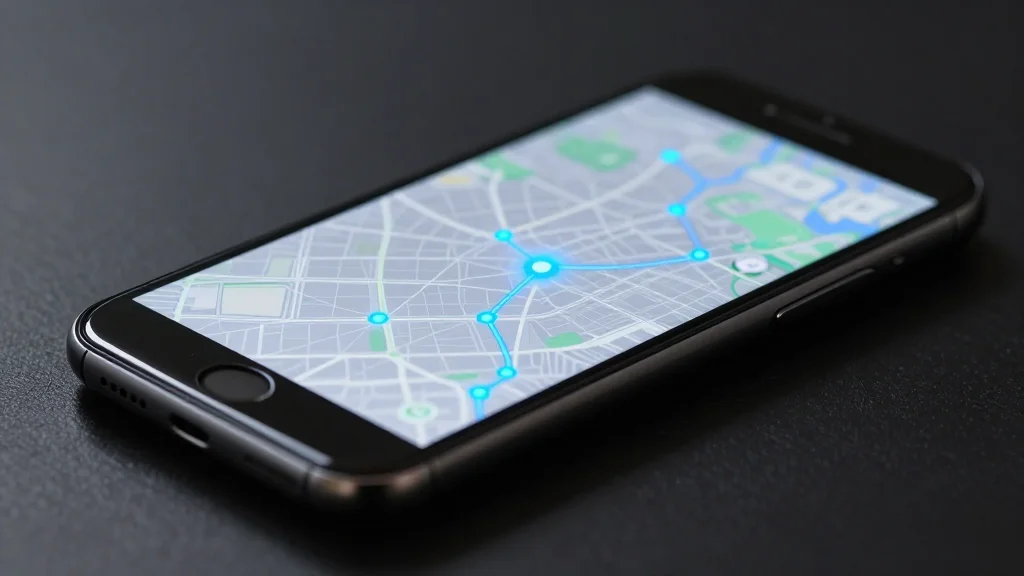
The emergence of Fog Data Science’s location‑tracking platform marks a pivotal shift in how law‑enforcement agencies obtain mobile‑device data. Historically, accessing a phone’s precise whereabouts required a court order, a process that could stretch over weeks and limit investigative agility. By tapping into the vast troves of location information that apps continuously upload to cloud services, Fog provides investigators with a near‑real‑time map of a device’s movements, effectively sidestepping the Fourth Amendment’s warrant requirement. This technological shortcut reflects a broader trend where private data brokers monetize user footprints, offering them to government clients under contractual agreements rather than through traditional subpoenas.
For police departments, the appeal is clear: the ability to generate “patterns of life” enables rapid suspect identification, corroborates alibis, and uncovers hidden networks without the procedural delays of judicial review. Nevada’s allowance of 250 monthly queries translates into thousands of data points per year, a capability that rivals the earlier deployment of cell‑site simulators—devices that mimic cell towers to sweep signals across entire neighborhoods. Other states have already reported cost‑effective expansions of investigative reach using similar tools, suggesting a potential cascade of warrant‑free surveillance models across the country.
However, civil‑liberties groups warn that such unfettered access erodes privacy protections and creates a surveillance infrastructure invisible to the public. While Fog advertises an opt‑out mechanism, the onus falls on individuals to discover and navigate it, a hurdle many will never clear. Legal scholars anticipate challenges grounded in constitutional precedent, and legislators may soon grapple with whether to codify stricter oversight or ban warrant‑less location tracking altogether. As the debate unfolds, the Nevada case serves as a bellwether for the tension between technological innovation in policing and the enduring need for judicial safeguards.
Nevada Police Can Now Track Cellphones Without a Warrant
Comments
Want to join the conversation?
Loading comments...