New Digital Funding for Transport Improvement Projects
Companies Mentioned
Why It Matters
By digitising ticketing, scheduling and parking, the funding promises faster, cheaper journeys and supports regional economic growth, setting a template for smart‑mobility investments worldwide.
Key Takeaways
- •£40m (£51m) funding for digital transport trials.
- •£6m (£7.6m) pilot links rural buses with trains.
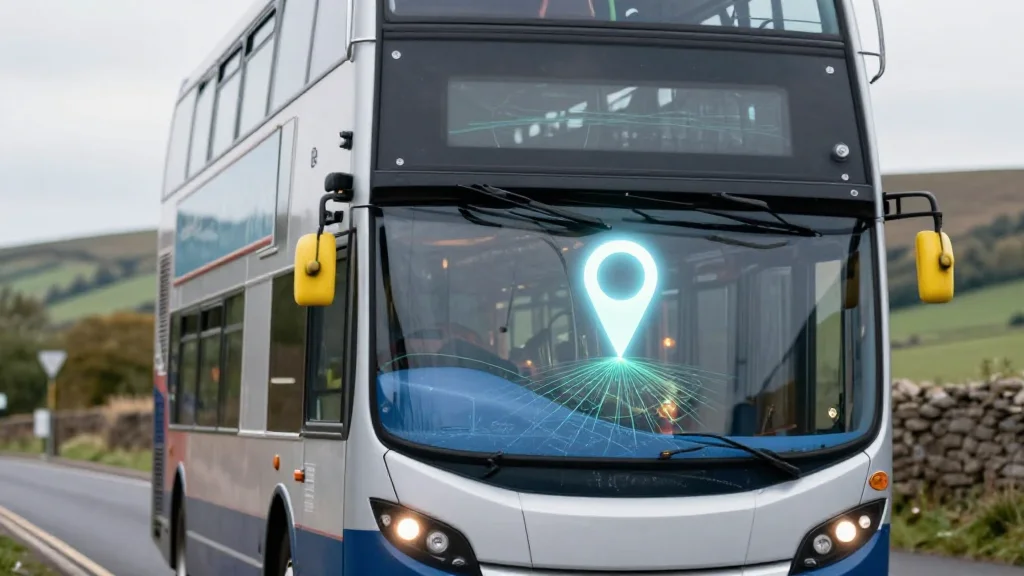
- •Google Maps adds real‑time bus tracking nationwide.
- •National Parking Platform consolidates parking app payments.
- •East Midlands deploys integrated Ride app for journeys.
Pulse Analysis
The UK’s fresh injection of roughly $51 million into digital transport projects reflects a growing recognition that technology can untangle chronic congestion and fragmented travel experiences. By earmarking funds for pilots that integrate bus timetables with train schedules, the government is testing a model that could be replicated in other regions, delivering smoother multimodal journeys and boosting tourism in rural hotspots. This approach aligns with global trends where data‑driven mobility solutions are reshaping how passengers plan, pay for, and complete trips.
A standout element of the strategy is the partnership with Google to surface live bus locations directly within Google Maps, a platform already trusted by millions. Real‑time tracking reduces uncertainty for riders, especially in low‑frequency rural services, and encourages public‑transport adoption. Simultaneously, the expansion of the National Parking Platform removes the friction of juggling multiple parking apps, simplifying the driver experience and potentially easing curb‑side congestion. These digital layers create a more cohesive transport ecosystem, where information flows seamlessly between operators and users.
Beyond immediate convenience, the initiative signals a broader shift toward integrated, data‑centric mobility that can drive economic growth. By lowering travel costs and improving reliability, businesses gain better access to labor markets and customers, while local authorities can better manage traffic flows and environmental impacts. The pilot’s success could attract private‑sector investment, spurring further innovation in areas like dynamic pricing, predictive maintenance, and multimodal ticketing—trends already reshaping transport landscapes in the United States and elsewhere. As the UK tests these solutions, it offers a blueprint for other nations seeking to modernise legacy infrastructure through smart, scalable technology.
New digital funding for transport improvement projects
Comments
Want to join the conversation?
Loading comments...