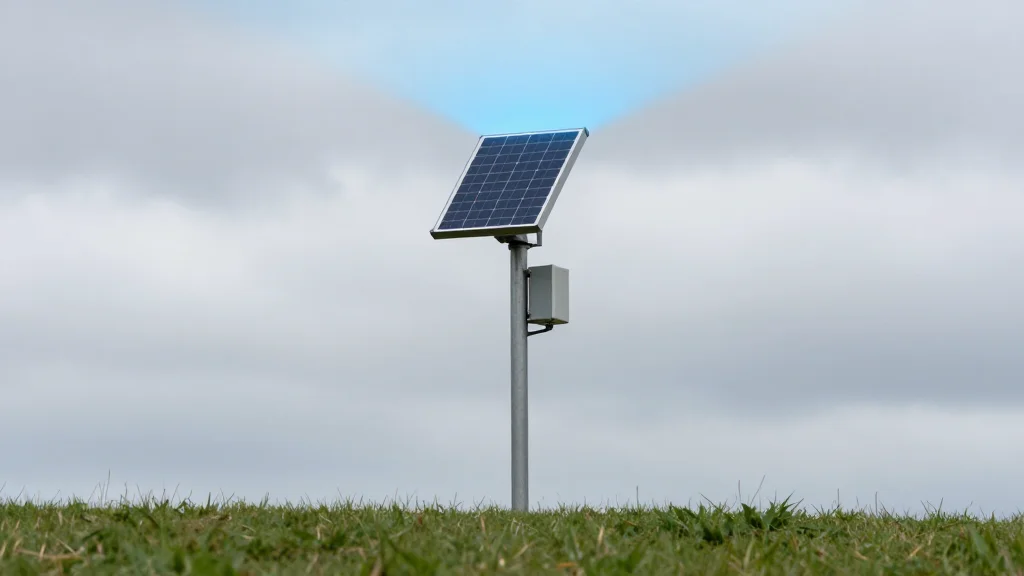
New Early Warning Stations for Severe Weather Disasters in South Africa
Why It Matters
Enhanced early‑warning capacity reduces loss of life and billions in economic damage, while insurers lower claim exposure. The initiative strengthens national disaster resilience amid escalating climate risk.
Key Takeaways
- •Santam funds nine new automatic weather stations
- •SAWS network now 282 AWSs nationwide
- •Early warnings aim to cut flood losses
- •Partnership targets observational gaps in high‑risk regions
- •Community education includes school programs and radio alerts
Pulse Analysis
South Africa’s climate trajectory has shifted dramatically over the past decade, with more frequent floods, storms and wildfires exacting a heavy toll on lives and the economy. The 2022 KwaZulu‑Natal floods alone inflicted over R50 billion in damages, underscoring the urgency of reliable meteorological data. In response, the South African Weather Service (SAWS) has deepened its collaboration with private insurer Santam, leveraging the insurer’s resources to plug long‑standing observational gaps. This public‑private partnership reflects a growing global trend where insurers invest in early‑warning infrastructure to protect policyholders and reduce systemic risk.
The joint initiative will see nine state‑of‑the‑art automatic weather stations (AWS) deployed across five provinces, adding to SAWS’s existing 273 stations, 211 rainfall gauges and a network of radar and lightning sensors. The new units, located in Limpopo, Mpumalanga, KwaZulu‑Natal, Eastern Cape, Western Cape and Gauteng, feed real‑time temperature, humidity and precipitation data into SAWS’s forecasting models. By situating sensors in previously under‑monitored catchments, the network improves spatial resolution, enabling more localized alerts and shortening the lead time for emergency responders.
For insurers like Santam, the payoff is both humanitarian and financial. Accurate, timely warnings allow households and businesses to activate mitigation measures, curbing claim volumes from flood and wind damage. The partnership also extends beyond hardware; targeted education campaigns in schools, municipal offices and community radio stations translate technical alerts into actionable steps for residents speaking local languages. As climate risk intensifies, such integrated approaches—combining data, communication and insurance expertise—are poised to strengthen South Africa’s resilience and safeguard economic growth.
New early warning stations for severe weather disasters in South Africa
Comments
Want to join the conversation?
Loading comments...