New NTIA Cost Study Lowers 2018 Estimate for Nationwide NG911
Why It Matters
A smaller federal funding requirement could accelerate bipartisan support for a grant program, enabling faster deployment of advanced 911 services that handle voice, text, video and data nationwide.
Key Takeaways
- •NTIA estimates remaining NG911 cost $5.8‑9.27 billion, 30‑40% lower than 2018.
- •State and local investments exceed $4.5 billion, reducing federal funding gap.
- •Shift from equipment purchases to subscription‑based cloud services lowers upfront spend.
- •Many “mature” 911 centers still lack geospatial routing and data sharing.
- •Study may boost bipartisan support for federal NG911 grant program.
Pulse Analysis
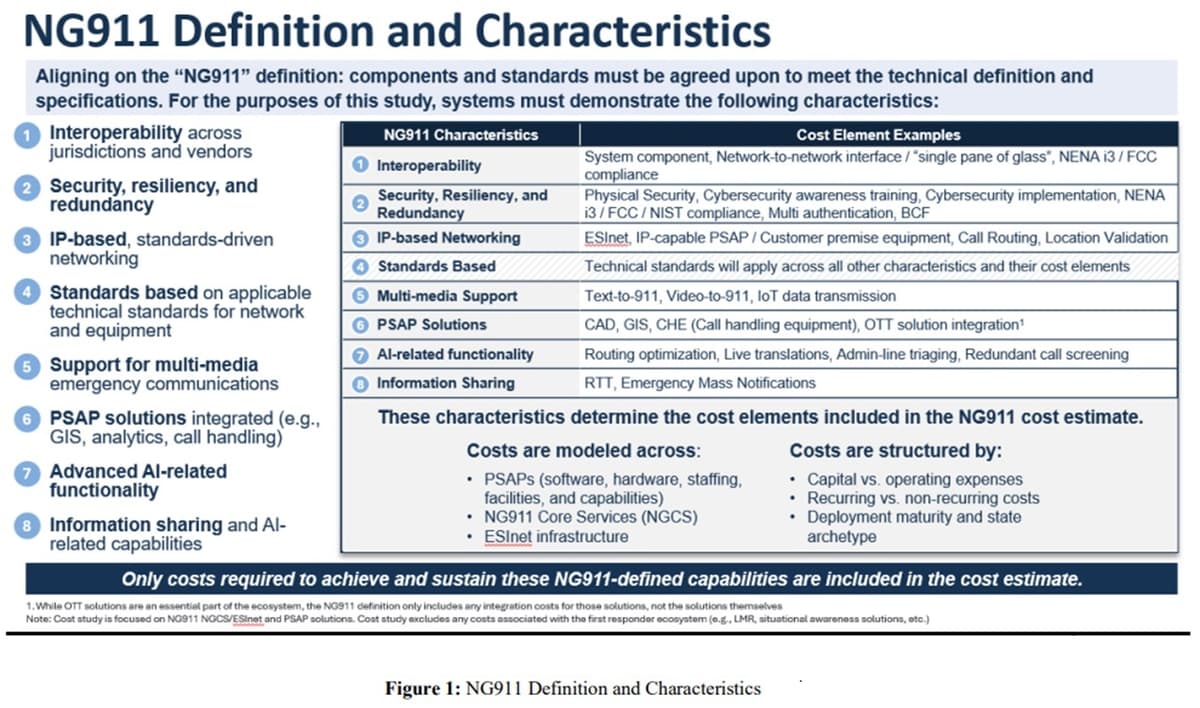
The transition to next‑generation 911 (NG911) has been a multi‑year priority for public‑safety agencies, promising text, video and data alongside traditional voice calls. In 2018 the National Telecommunications and Information Administration (NTIA) projected a $9.5‑$12.7 billion price tag for a nationwide rollout, a figure based on equipment‑heavy deployments and inflation‑adjusted forecasts. The agency’s latest 2026 study cuts that range to $5.8‑$9.27 billion, reflecting a 30‑40 percent reduction. This downward revision stems largely from the $4.5 billion already spent by states and municipalities, as well as a market pivot toward cloud‑based solutions.
The cost shift is not merely a number; it signals a fundamental change in how 911 centers procure technology. Legacy systems required hefty capital outlays for routers, servers and proprietary software, whereas today many jurisdictions are adopting subscription‑based platforms that run on shared cloud infrastructure. This model spreads expenses over time, reduces upfront risk, and enables faster feature upgrades such as geospatial routing and real‑time incident sharing. However, the recurring operational fees introduce new budgeting challenges for local budgets that must now account for ongoing service contracts rather than one‑off purchases.
Policymakers see the revised estimate as a catalyst for federal action. The House subcommittee’s H.R. 6505 bill, which currently lacks a dollar figure, could use the NTIA study to justify a multi‑billion grant program that bridges the remaining funding gap. Bipartisan consensus on public‑safety modernization improves the odds of passage, but competing legislative priorities and the upcoming election cycle may delay deliberations. If approved, a timely grant rollout would give state and local agencies a clear financial roadmap, accelerating the completion of a fully interoperable NG911 network across the United States.
New NTIA cost study lowers 2018 estimate for nationwide NG911
Comments
Want to join the conversation?
Loading comments...