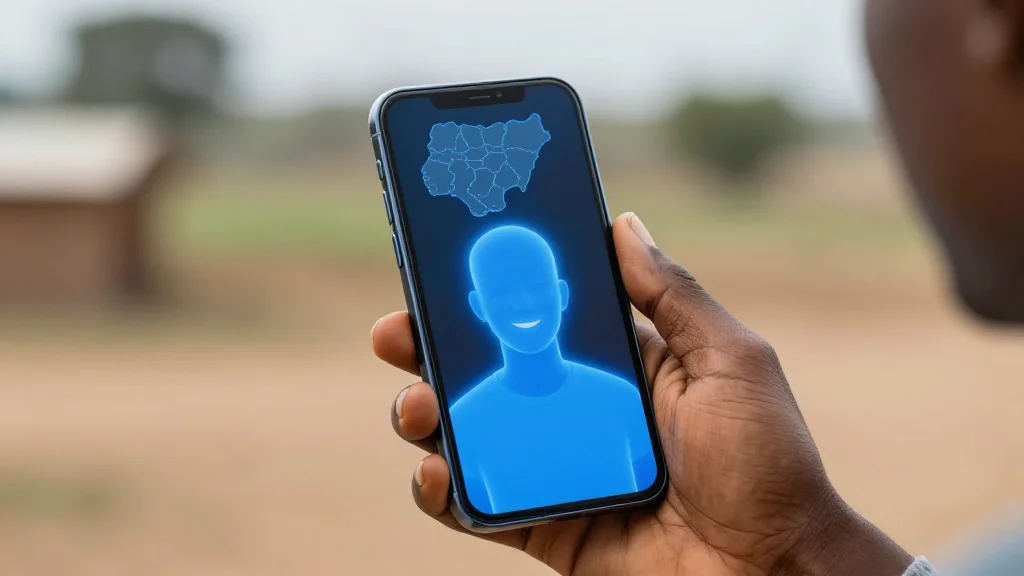
Nigeria Deploys Meta-Backed GovGuide AI Chatbot in Four Languages

Companies Mentioned

Why It Matters
GovGuide Nigeria illustrates how AI can bridge language gaps in public service delivery, a challenge that has long hampered citizen engagement in many emerging markets. By integrating open‑source models with local language support, the project showcases a scalable approach to digital inclusion that could be replicated across the continent. At the same time, the rollout highlights the tension between rapid AI adoption and the need for robust data‑privacy frameworks, especially after Meta's recent fine and settlement with Nigerian regulators. If GovGuide achieves high adoption rates, it could accelerate Nigeria's broader digital‑economy agenda, improve government efficiency, and set a precedent for public‑private AI collaborations. Conversely, limited reach due to infrastructure constraints would reinforce the argument that AI alone cannot solve service delivery problems without parallel investments in broadband and device accessibility.
Key Takeaways
- •GovGuide Nigeria launched on Thursday, offering AI assistance in English, Hausa, Igbo and Yoruba.
- •Built on Meta's open‑source Llama models in partnership with the National Centre for AI and Robotics and Publica AI.
- •Targets an estimated 200 million citizens, focusing on low‑literacy and rural users.
- •Nigeria's broadband penetration stands at roughly 42 %, a potential barrier to widespread adoption.
- •Meta previously faced a $32.8 million fine in Nigeria, later waived after a privacy‑awareness settlement.
Pulse Analysis
The GovGuide launch signals a shift in how African governments are leveraging commercial AI capabilities to address long‑standing service delivery bottlenecks. Historically, e‑government initiatives in the region have struggled with language diversity and limited digital literacy. By embedding multilingual voice and text interfaces directly into a web portal, Nigeria sidesteps the need for costly, custom‑built language models, instead tapping into Meta's broader "No Language Left Behind" ecosystem. This approach reduces development time and cost, but it also ties the country's digital infrastructure to a single private provider, raising questions about vendor lock‑in and data sovereignty.
From a market perspective, the partnership could catalyze a wave of similar collaborations across sub‑Saharan Africa, where governments are eager to modernize but lack in‑house AI expertise. Competitors such as Google and Microsoft have already pursued AI‑for‑government pilots in Kenya and South Africa; Meta's entry into Nigeria may intensify competition for public contracts, potentially driving down costs and spurring innovation. However, the success of GovGuide will hinge on addressing the digital divide—broadband expansion, affordable devices, and digital literacy programs must keep pace with AI rollout, or the platform risks becoming a high‑tech solution for a low‑tech audience.
Regulatory dynamics will also shape the project's trajectory. The prior $32.8 million fine underscores the heightened scrutiny on data handling practices. As GovGuide scales, the ministry will need to demonstrate transparent data governance, especially given the chatbot's ability to process voice recordings that may contain personally identifiable information. A clear, enforceable framework could become a model for other African nations navigating the balance between AI innovation and privacy protection.
Nigeria Deploys Meta-Backed GovGuide AI Chatbot in Four Languages
Comments
Want to join the conversation?
Loading comments...