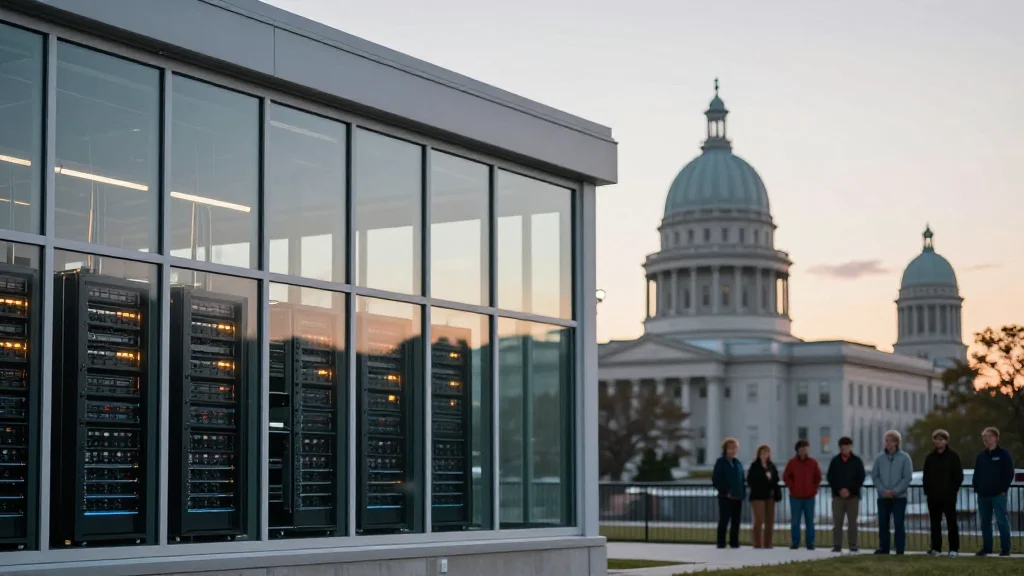
Ohio Mulls Data Center Rules as Wisconsin Lawmakers Stall
Companies Mentioned



Why It Matters
The shift away from generous tax breaks threatens a major revenue source for states and could reshape where data‑center developers locate projects, while rising utility costs and water constraints raise operational risks for the industry.
Key Takeaways
- •Ohio Senate Bill 374 targets data‑center tax breaks.
- •Wisconsin voters 70% view data‑center costs outweigh benefits.
- •State incentives cost US$5 billion in lost tax revenue annually.
- •Ohio power rates rose 53.3% from 2021‑2026.
- •Port Washington TID measure requires $10 million voter approval.
Pulse Analysis
The Midwest data‑center boom has been fueled by aggressive tax incentives, but recent legislative moves signal a turning point. Ohio’s bipartisan effort to end exemptions and a citizen‑driven constitutional amendment aim to curb projects that demand more than 25 megawatts, reflecting concerns over grid stability and fiscal fairness. In Wisconsin, the failure of four incentive bills and a local vote requiring community approval for $10 million projects illustrate a growing appetite for transparency and shared benefits. These policy shifts underscore the delicate balance between attracting high‑tech investment and protecting public finances.
Beyond politics, the economic impact of data‑center incentives is stark. Municipal Market Analytics estimates that states collectively forfeit over $5 billion in tax revenue each year due to these subsidies. At the same time, utilities face accelerating load growth; Ohio’s electricity rates have jumped 53.3% since 2021, while Wisconsin’s have risen 22.5%. Such cost escalations not only affect residential customers but also erode the competitive advantage that tax breaks were meant to provide, prompting a reassessment of the true cost‑benefit equation for host communities.
Environmental and infrastructure pressures add another layer of complexity. Projections indicate data‑centers could require up to 1.45 billion gallons of water daily by 2030, a capacity valued at $58 billion, straining already aging water systems. Communities like Port Washington and Oregon, Ohio, are grappling with the need for grid upgrades and transparent payment‑in‑lieu‑tax (PILOT) agreements. As voter sentiment hardens—evidenced by a 70% Wisconsin poll—developers may need to pivot toward more sustainable designs and stronger community‑benefit contracts to secure future approvals and maintain growth momentum.
Ohio mulls data center rules as Wisconsin lawmakers stall
Comments
Want to join the conversation?
Loading comments...