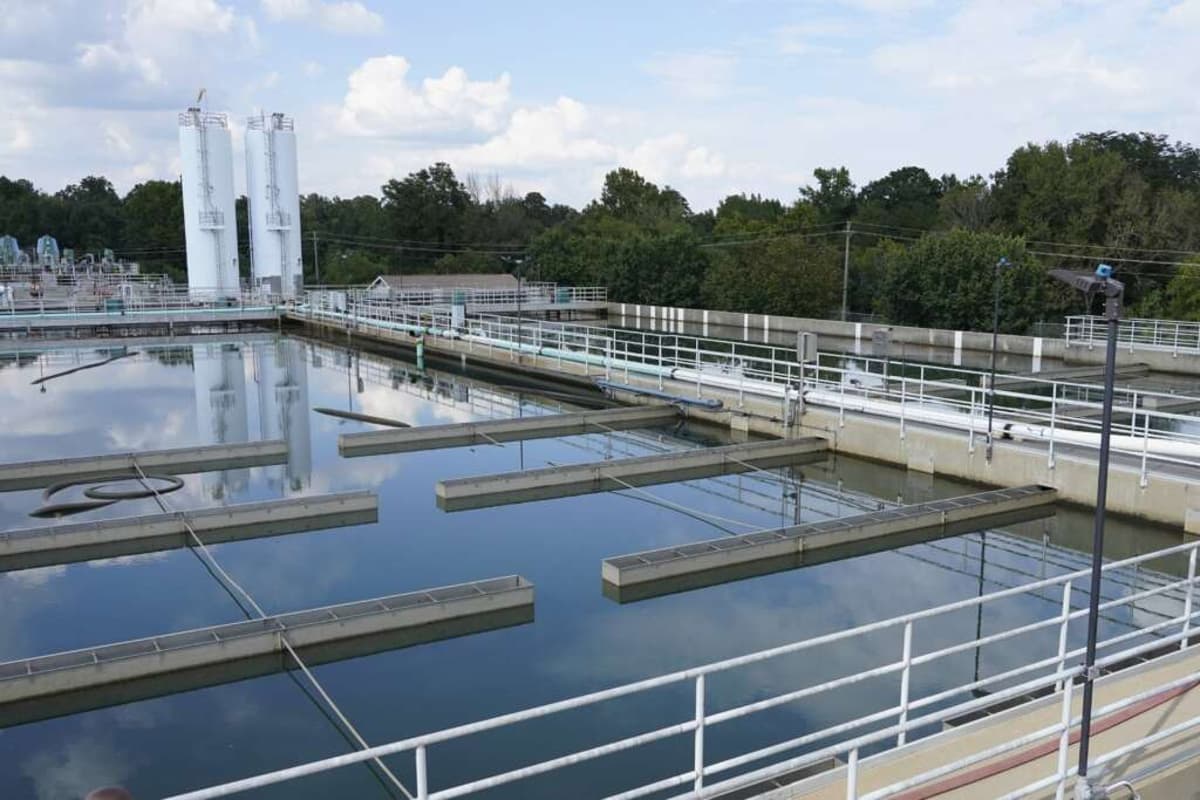
Our Drinking Water Systems Are More Connected than Ever, and More Exposed to Risks
Why It Matters
A successful cyber breach could disrupt safe drinking water delivery, posing public‑health and economic risks while exposing a critical infrastructure gap that threatens national security.
Key Takeaways
- •170,000 water and treatment facilities operate without federal cybersecurity mandates
- •Remote valves and digital controls create new attack surfaces for hackers
- •EPA lacks authority to compel operators, hindering uniform security standards
- •Funding gaps and aging equipment impede modern cyber‑protective upgrades
- •Basic hygiene—password changes, 2FA, response plans—offers immediate risk reduction
Pulse Analysis
The water sector, once an analog network of pipes, has rapidly digitized. Sensors, SCADA systems, and remotely operated valves now monitor flow and treatment from centralized rooms. These tools boost efficiency but add dozens of networked endpoints vulnerable to hackers. Unlike the power grid, water utilities are split among 170,000 public, private, and municipal owners, each with varying IT maturity, creating a patchwork of security postures that attackers can probe. These digital touchpoints often rely on third‑party vendors, further widening the attack surface.
Regulatory oversight lags. EPA can issue guidance but lacks statutory power to force cybersecurity upgrades. GAO’s report notes that even after EPA’s risk assessment, the new federal cyber strategy offers little concrete direction for local agencies. Many facilities run on legacy hardware never built for secure networking, and tax‑derived budgets leave little room for expensive retrofits. A nationwide shortage of qualified cyber talent further limits utilities’ ability to staff dedicated security teams. Federal grant programs such as the Drinking Water State Revolving Fund could be leveraged to subsidize security upgrades, but current allocations are insufficient.
Short‑term, utilities can cut risk with basic cyber hygiene: strong passwords, multi‑factor authentication, and incident‑response playbooks. Long‑term fixes need legislation granting EPA enforcement authority, federal grants for modernizing legacy systems, and a coordinated workforce pipeline with community colleges and apprenticeships. Public‑private partnerships can also accelerate adoption of standardized security frameworks, ensuring consistent protection across jurisdictions. Because water is a public good, its resilience is a national‑security issue; a breach could halt service, spark health crises, and erode public trust in critical infrastructure.
Our drinking water systems are more connected than ever, and more exposed to risks
Comments
Want to join the conversation?
Loading comments...