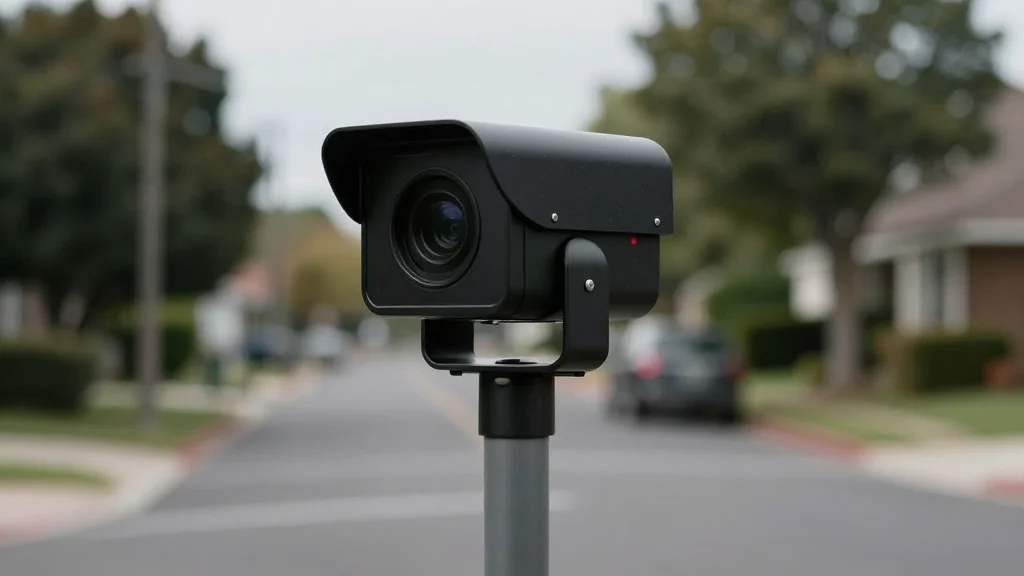
Police Widen ALPR Use to School Residency Checks, Study Finds

Companies Mentioned
Why It Matters
The surge in non‑investigative ALPR use blurs the line between public safety tools and mass surveillance, challenging long‑standing legal precedents on reasonable expectation of privacy. As schools and local agencies adopt the technology for administrative purposes, citizens’ daily movements become searchable data points, potentially chilling free expression and association. If unchecked, this mission creep could set a precedent for other municipalities to repurpose law‑enforcement tech for civil functions, amplifying concerns about data security, retention, and misuse. Conversely, robust oversight could establish a model for responsible deployment of emerging surveillance tools, preserving both public safety benefits and civil liberties.
Key Takeaways
- •Buford City Schools ran 375 ALPR residency‑verification searches Jan 2025‑Mar 2026, >50% of its total queries
- •Three‑quarters of all ALPR searches in Q1 2026 were for school‑zone checks
- •Police accessed >5,800 distinct ALPR networks nationwide for low‑level investigations
- •EFF report flags warrant‑less searches of protesters, abortion‑seekers, and immigrants
- •Legislators in multiple states are drafting bills to require warrants for non‑criminal ALPR use
Pulse Analysis
The EFF audit arrives at a moment when municipal budgets are increasingly earmarked for smart‑city infrastructure, and ALPRs have become a low‑cost, high‑visibility component of that push. Vendors have marketed the technology as a "crime‑solving" asset, but the data shows a rapid pivot toward administrative convenience. This dual‑use narrative mirrors earlier debates over facial‑recognition software, where commercial promise outpaced regulatory readiness.
Historically, law‑enforcement adoption of surveillance tech follows a pattern: initial deployment for high‑stakes cases, followed by diffusion into routine policing, and finally, expansion into civilian services. The current ALPR trajectory suggests we are at the diffusion stage, with schools and other non‑law‑enforcement entities leveraging the same data streams. The market implication is clear: vendors that embed privacy‑by‑design features—such as granular access logs, automated data‑deletion, and role‑based permissions—will likely retain contracts in jurisdictions moving toward stricter oversight.
Looking ahead, the pressure points will be legislative and judicial. State‑level warrant‑requirement bills could fragment the national ALPR market, forcing agencies to negotiate disparate compliance regimes. Federal courts may also be called upon to interpret the Fourth Amendment in the context of pervasive, warrant‑less data collection. For policymakers, the challenge is to craft rules that preserve the legitimate investigative value of ALPRs while preventing their transformation into a universal tracking system. The outcome will shape not only the future of GovTech procurement but also the broader social contract between citizens and the state’s digital surveillance capabilities.
Police Widen ALPR Use to School Residency Checks, Study Finds
Comments
Want to join the conversation?
Loading comments...