Portugal DRS System Involves Technology Investments
Why It Matters
The DRS accelerates Portugal’s circular‑economy goals, boosting high‑quality recycling rates and creating a scalable model for tech‑driven waste management across the EU.
Key Takeaways
- •Portugal's DRS launched April 10, 2026 with 3,000+ collection points.
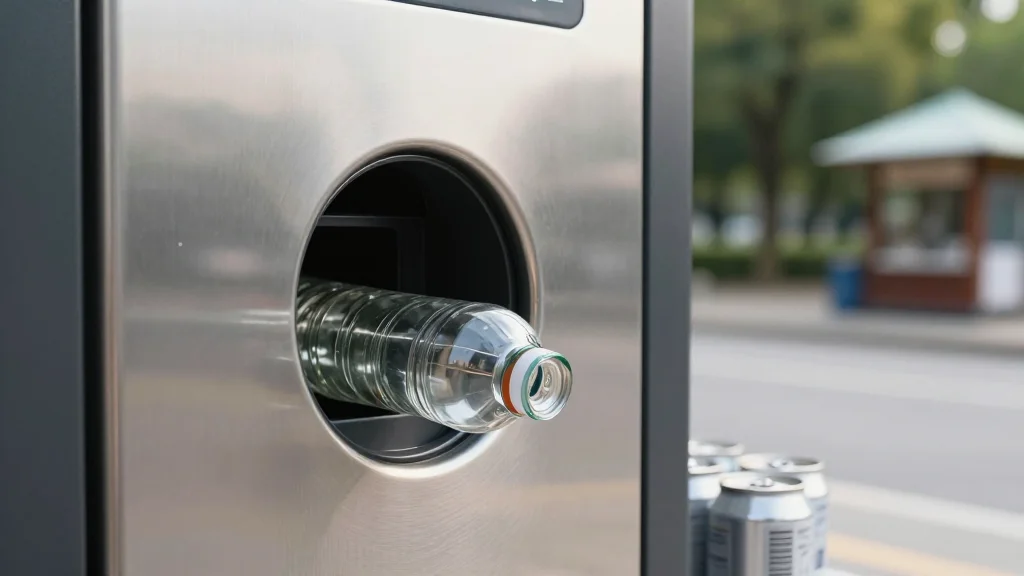
- •Tomra supplies branded Volta reverse vending machines for PET and metal containers.
- •Consumers receive €0.10 (~$0.11) refund per returned bottle or can.
- •Sensoneo powers the digital backbone, handling registration to financial clearing.
- •Island kiosks double as collection and bale‑processing sites, cutting transport costs.
Pulse Analysis
Portugal’s new deposit‑return system represents a decisive policy step toward meeting the European Union’s 2030 recycling targets. By charging a €0.10 (about $0.11) deposit on each beverage container, the scheme creates a clear economic incentive for consumers while generating a reliable stream of high‑quality recyclables. The extensive network of over 3,000 collection points, from supermarkets to hospitality venues, ensures convenient access, which research shows is critical for achieving participation rates above 80 percent.
The technological backbone of the Portuguese DRS showcases how hardware and software can synergize to streamline circular‑economy operations. Tomra’s Volta reverse vending machines automate sorting and provide instant refunds, reducing labor costs and minimizing contamination. Meanwhile, Sensoneo’s cloud‑based platform orchestrates every stage—from container registration to reverse logistics and financial settlement—through mobile apps that keep retailers, drivers and consumers connected. The system’s hybrid collection model, especially the island kiosks that double as bale‑processing hubs, cuts transportation distances and lowers carbon emissions, illustrating a pragmatic approach to logistical challenges in dispersed geographies.
Beyond environmental benefits, the rollout signals a lucrative market for waste‑tech providers across Europe. As more governments adopt DRS frameworks, demand for scalable RVM hardware, real‑time data analytics, and integrated logistics software will surge. Companies that can replicate Portugal’s end‑to‑end solution stand to capture significant contracts, while retailers gain operational efficiencies and brand equity from participating in a transparent recycling loop. For investors and industry stakeholders, Portugal’s DRS offers a template for marrying regulatory ambition with commercial opportunity, reinforcing the strategic importance of technology in the global shift toward a circular economy.
Portugal DRS system involves technology investments
Comments
Want to join the conversation?
Loading comments...