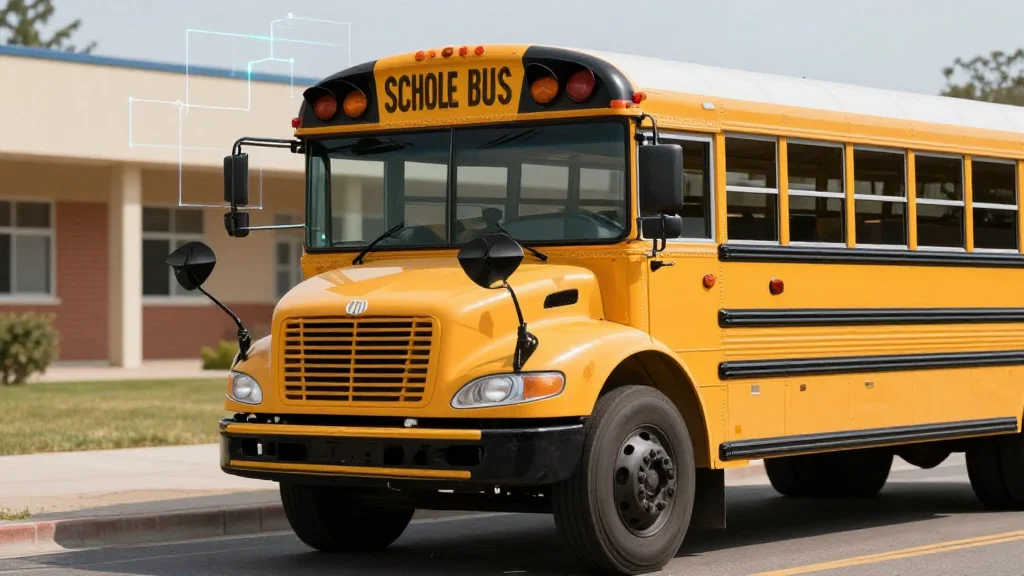
Prayagraj Schools Race to Meet April 15 Deadline for Uploading Transport Details on Safety Portal
Why It Matters
The initiative creates a single digital hub for verifying school bus safety, reducing accident risk and enabling faster enforcement. It signals a broader push in India toward data‑driven oversight of student transportation.
Key Takeaways
- •70% of Prayagraj schools uploaded transport data before deadline
- •1,655 schools operate their own fleet of 5,050 buses
- •UP Integrated School Vehicle Monitoring Portal centralizes safety compliance
- •Physical inspections will verify uploaded records for each vehicle
- •Non‑compliant schools face penalties under Uttar Pradesh regulations
Pulse Analysis
India’s rapid urbanization has amplified concerns over school‑bus safety, especially after a series of high‑profile accidents in Uttar Pradesh. State governments are turning to digital solutions to close oversight gaps, mirroring national trends that favor centralized data platforms for public services. By mandating online submission of vehicle registration, driver credentials, and compliance reports, authorities aim to create a transparent record that can be instantly accessed by transport and education departments, streamlining the traditionally fragmented verification process.
The UP Integrated School Vehicle Monitoring Portal (UPISVMP) represents the latest effort to institutionalize this approach. With 17,796 schools in the Prayagraj region, only 1,655 operate their own transport, yet the portal requires every institution to declare its status, ensuring no blind spots. Early adoption rates—about 70% compliance before the April 15 cut‑off—suggest that many schools recognize the reputational and operational benefits of digital compliance. Physical inspections scheduled after data upload will cross‑check the information, creating a two‑layer verification that can quickly flag unfit vehicles, outdated driver licenses, or missing safety equipment.
Beyond immediate safety gains, the portal sets a precedent for scaling similar monitoring frameworks across India’s 1.2 million schools. Real‑time data can feed predictive analytics, allowing regulators to prioritize high‑risk routes or schools with poor maintenance histories. However, successful rollout depends on robust IT infrastructure, training for school administrators, and clear enforcement mechanisms. If these challenges are addressed, the UPISVMP could become a model for nationwide child‑transport safety, driving both policy compliance and public confidence in school transportation systems.
Prayagraj schools race to meet April 15 deadline for uploading transport details on safety portal
Comments
Want to join the conversation?
Loading comments...